Gall Bladder Disorders

Gall Bladder Disorders: Early Symptoms and Effective Treatment Options in Ahmedabad

Introduction

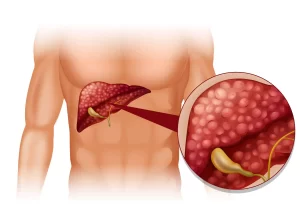
Gall bladder disorders are among the most common digestive health conditions seen at gastroenterology clinics across India — and Ahmedabad is no exception. Yet many people ignore early warning signs for months, waiting until the pain becomes unbearable before seeking medical help. The gall bladder is a small, pear-shaped organ tucked just beneath the liver. Its job is deceptively simple: store bile produced by the liver and release it into the small intestine to aid in the digestion of fats. But when this process is disrupted — most often by the formation of gallstones — the consequences range from episodic discomfort to life-threatening emergencies. This guide covers everything you need to know about gall bladder disorders: the early symptoms that should not be ignored, the types of conditions that affect the gall bladder, how they are diagnosed, and the full range of treatment options available at Dr. Gastro's clinic at Shaleen Multi Speciality Hospital, Sola, Ahmedabad. If you have been experiencing upper abdominal pain, nausea, or digestive discomfort — read this guide carefully before your next meal.

What Is the Gall Bladder and Why Does It Matter?

The gall bladder is a small (about 8–10 cm), muscular sac located on the underside of the liver in the upper right abdomen. Its function is to concentrate and store bile, a yellowish-green digestive fluid produced by the liver that breaks down dietary fats during digestion. When you eat a fatty meal, the gall bladder contracts and squeezes bile through the bile ducts into the small intestine. This is a normal, seamless process — until something goes wrong. Why does gall bladder health matter?
  • The gall bladder's bile ducts connect to the liver, pancreas, and small intestine. A blockage in this system — most commonly from a gallstone — can cause pain, inflammation, infection, and in severe cases, organ damage.
  • Untreated gall bladder disease can escalate from occasional discomfort to acute cholecystitis, pancreatitis, or bile duct obstruction — all of which are medical emergencies.
Gall Bladder Treatment in Ahmedabad

Types of Gall Bladder Disorders

1. Gallstones (Cholelithiasis) — Most Common

Gallstones are hardened deposits that form inside the gall bladder when bile contains too much cholesterol, bilirubin, or certain salts. They range in size from a tiny grain of sand to as large as a golf ball, and a single person can have one stone or hundreds. Types of gallstones:
  • Cholesterol stones (most common — up to 80% of cases): Yellowish-green, form when bile contains too much cholesterol. Diet and obesity are major contributing factors.
  • Pigment stones (bilirubin stones): Dark brown or black, form when bile contains excess bilirubin. More common in people with liver disease, cirrhosis, or blood disorders.
  • Mixed stones: A combination of cholesterol and bilirubin.
Important: Many people have gallstones with no symptoms at all (called "silent" gallstones). Treatment is only required when stones cause symptoms or complications.

2. Acute Cholecystitis (Inflamed Gall Bladder)

When a gallstone becomes lodged in the cystic duct (the tube connecting the gall bladder to the bile duct), it blocks bile flow and causes the gall bladder to become inflamed. This is acute cholecystitis — one of the most common reasons for emergency hospitalisation related to digestive disease. Key features: Severe, constant pain in the upper right abdomen, fever, nausea, and vomiting. Requires prompt medical treatment — often surgical.

3. Chronic Cholecystitis

Repeated episodes of acute cholecystitis, or long-standing gallbladder irritation from stones, can lead to chronic inflammation and scarring of the gallbladder wall. The organ gradually loses its ability to concentrate and release bile effectively. Key features: Recurring episodes of abdominal pain, bloating, nausea after fatty meals, and general digestive discomfort over months or years.

4. Bile Duct Stones (Choledocholithiasis)

Gallstones that migrate from the gall bladder into the common bile duct. These are particularly dangerous because they can completely block bile flow, causing jaundice (yellowing of the skin and eyes), severe infection (cholangitis), or pancreatitis. Key features: Jaundice, dark urine, pale stools, severe upper abdominal pain, and fever. This is a medical emergency.

5. Gall Bladder Polyps

Growths that project from the lining of the gall bladder into the interior. Most polyps are benign and incidental findings on ultrasound. However, polyps larger than 10mm carry a risk of malignancy and require close monitoring or surgical removal.

6. Gall Bladder Cancer

A rare but serious condition. Gallbladder cancer is difficult to detect in early stages because symptoms often do not appear until the disease has advanced. It is associated with long-standing gallstones, chronic cholecystitis, and gall bladder polyps. At Dr. Gastro's clinic, all gall bladder conditions — from simple stone disease to complex bile duct issues — are diagnosed and managed with specialised expertise.

Early Warning Symptoms: Do Not Ignore These Signs

Gallbladder disease has a reputation for being easy to ignore in its early stages. The symptoms often mimic indigestion, acidity, or gas — leading many patients to manage with antacids for months before the real problem is identified. Here are the symptoms that specifically suggest a gall bladder disorder and warrant a proper evaluation:

Biliary Colic — The Classic Gall Bladder Pain

  • Sudden, severe pain in the upper right abdomen or the centre of the stomach (epigastrium)
  • Pain that may radiate to the right shoulder or between the shoulder blades
  • Pain that comes in waves, typically lasting 15 minutes to several hours
  • Episodes often triggered by eating a fatty, rich, or oily meal
  • Pain typically resolves on its own, but recurs with subsequent meals

Digestive Symptoms

  • Nausea — particularly after eating fatty or fried foods
  • Vomiting during painful episodes
  • Bloating and a feeling of fullness after small meals
  • Indigestion and belching that do not respond to standard acidity treatment
  • Intolerance to fatty foods — discomfort specifically after ghee, oil, fried items

Signs of Complication — Seek Immediate Medical Attention

  • Fever with chills alongside abdominal pain — suggests acute cholecystitis or cholangitis
  • Jaundice (yellowing of skin or whites of eyes) — suggests bile duct blockage
  • Dark yellow or brown urine and pale or clay-coloured stools — signs of bile duct obstruction
  • Severe, unrelenting pain that does not resolve within a few hours
  • Rapid heartbeat and confusion — signs of serious infection
If you experience any of the above warning signs, contact Dr Gastro's clinic in Ahmedabad immediately or go to the emergency department at Shaleen Hospital.

Who Is at Risk? Common Risk Factors

Understanding who is most at risk helps with early identification and prevention:
Risk Factor Details
Gender Women are 2–3× more likely to develop gallstones than men
Age Risk increases significantly after age 40
Obesity Excess body weight raises cholesterol in the bile
Rapid weight loss Crash dieting or bariatric surgery can trigger stone formation
High-fat, low-fibre diet Typical of many urban Indian diets — ghee, fried food, low vegetable intake
Diabetes Higher triglyceride levels increase stone risk
Family history Genetic predisposition plays a role
Liver disease or blood disorders Increases bilirubin, leading to pigment stones
Prolonged fasting Reduces gall bladder motility, concentrating bile
Oral contraceptives or HRT Oestrogen increases cholesterol in bile

Diagnosis at Dr. Gastro's Clinic, Ahmedabad

Accurate diagnosis is the foundation of effective gall bladder treatment in Ahmedabad. Dr Hamik Chandra Patel at Shaleen Hospital uses a structured approach to identify the exact nature and severity of your gall bladder disorder.

1. Clinical History and Physical Examination

Dr. Hamik begins with a detailed discussion of your symptoms — location, character, and timing of pain; dietary triggers; associated symptoms like fever or jaundice; and any family history of gall bladder disease. Physical examination includes assessment of Murphy's sign — a clinical finding in which pressing on the upper right abdomen during inhalation elicits pain, strongly suggesting acute cholecystitis.

2. Abdominal Ultrasound — First-Line Investigation

Ultrasound is the most reliable and widely available investigation for gall bladder disease. It can:
  • Detect gallstones as small as 2–3 mm with high accuracy
  • Identify gall bladder wall thickening (sign of cholecystitis)
  • Detect bile duct dilation (sign of duct obstruction)
  • Identify gall bladder polyps and masses

3. Blood Tests

  • Liver function tests (LFTs) — to check for bile duct obstruction, liver involvement
  • Complete blood count (CBC) — elevated white blood cells indicate infection
  • Amylase and lipase — to rule out associated pancreatitis
  • Bilirubin levels — to confirm or rule out jaundice

4. MRCP — Magnetic Resonance Cholangiopancreatography

A specialised MRI scan that provides detailed imaging of the bile ducts, liver, and pancreas. Used when bile duct stones or a structural abnormality are suspected. Non-invasive and highly accurate.

5. ERCP — Endoscopic Retrograde Cholangiopancreatography

Both a diagnostic and therapeutic procedure. An endoscope is passed through the mouth into the duodenum to visualise and access the bile ducts. Can be used to:
  • Confirm bile duct stones
  • Remove bile duct stones (stone extraction)
  • Place stents to relieve bile duct obstruction

6. CT Scan of Abdomen

Used when complications such as perforation, abscess, or suspected cancer require detailed anatomical information beyond what ultrasound provides. Gall Bladder Treatment in Ahmedabad

Treatment Options for Gall Bladder Disorders in Ahmedabad

Conservative Management (For Asymptomatic or Mild Cases)

For patients with silent gallstones (no symptoms), watchful waiting is often appropriate. Regular ultrasound monitoring and dietary modifications are recommended:
  • Dietary changes: Reduce saturated fats, fried and oily foods, and refined sugars. Increase fibre through fruits, vegetables, and whole grains.
  • Weight management: Gradual, controlled weight loss reduces stone-forming risk
  • Adequate hydration: 8–10 glasses of water daily
  • Regular small meals: Avoid prolonged fasting, which concentrates bile
Important: Conservative management does not dissolve or eliminate existing gallstones. Once stones become symptomatic, surgery is typically the most effective solution.

Surgical Treatment — The Definitive Solution

For symptomatic gallstones, cholecystitis, bile duct stones, and gall bladder polyps requiring removal, surgery is the gold standard. The vast majority of gall bladder diseases are treated with gall bladder removal (cholecystectomy) — the most commonly performed abdominal surgery worldwide.

Laparoscopic Cholecystectomy — Gold Standard Surgery

Laparoscopic cholecystectomy (keyhole surgery) is the procedure of choice for gall bladder removal at Dr. Gastro's clinic. Dr. Hamik Chandra Patel is recognised as one of Ahmedabad's leading laparoscopic cholecystectomy surgeons. How it works:
  • Performed under general anaesthesia
  • 3–4 small incisions (5–10 mm each) made in the abdomen
  • A tiny camera (laparoscope) inserted through one incision provides a magnified view of the operative field
  • Surgical instruments are inserted through other incisions to carefully remove the gall bladder
  • The gall bladder is extracted through one of the small incisions
  • Procedure typically takes 45–60 minutes
Advantages over open surgery:
  • Minimal pain — small incisions cause far less post-operative discomfort
  • Faster recovery — most patients return home the same day or the next morning
  • Back to work in 5–7 days for desk jobs; 2–3 weeks for physical work
  • Minimal scarring — 3–4 tiny scars versus a large abdominal incision
  • Lower infection risk — reduced exposure of internal organs
  • Faster return to normal diet — usually within a few days

ERCP with Stone Extraction (For Bile Duct Stones)

When stones have migrated to the common bile duct, ERCP is used to locate and remove them endoscopically — without surgery. A small cut is made in the bile duct opening (sphincterotomy), and stones are extracted using specialised balloons or baskets. ERCP is often performed before laparoscopic cholecystectomy when both gall bladder and bile duct stones are present.

Open Cholecystectomy

Reserved for complex cases where laparoscopic surgery is not feasible — such as severe inflammation, dense adhesions from previous surgeries, or suspected malignancy. Involves a larger abdominal incision and longer recovery (5–7 days hospitalisation, 4–6 weeks recovery).

Recovery After Gall Bladder Surgery in Ahmedabad

Recovery following laparoscopic cholecystectomy at Dr Gastro's clinic is straightforward for most patients: Immediately after surgery:
  • Monitored for a few hours in the recovery area
  • Most patients go home the same evening or the following morning
  • Mild shoulder or neck discomfort from the gas used during laparoscopy — resolves within 24–48 hours
First week:
  • Diet: Start with light liquids, progress to soft foods within 24–48 hours. Low-fat diet for the first 2–3 weeks.
  • Activity: Light walking from day 1 — promotes circulation and recovery. Avoid heavy lifting.
  • Pain management: Mild to moderate discomfort managed with prescribed medication
  • Wound care: Keep incision sites clean and dry. Follow Dr Hamik's instructions for dressing changes.
Return to normal activities:
  • Desk work: 5–7 days
  • Driving: After 7–10 days, once off strong pain medication
  • Physical or manual work: 3–4 weeks
  • Normal diet (including moderate fats): 3–4 weeks
Long-term after gallbladder removal: The vast majority of patients live completely normally without a gallbladder. The liver continues to produce bile, which flows directly into the small intestine. Some patients notice looser stools for a few weeks after surgery, which typically resolves.

Why Choose Dr. Gastro for Gall Bladder Treatment in Ahmedabad?

Dr Hamik Chandra Patel — Expert Laparoscopic Surgeon: Dr Hamik Chandra Patel is a leading gastro and laparoscopic surgeon at Shaleen Multi-Speciality Hospital, Sola, Ahmedabad. His expertise in minimally invasive techniques means patients consistently experience shorter hospital stays, faster recovery, and fewer complications. Advanced Diagnostic and Surgical Facilities: Shaleen Multi-Speciality Hospital operates to international healthcare standards with a fully equipped, centrally air-conditioned facility. The hospital provides advanced laparoscopic surgical equipment, comprehensive diagnostic imaging, and dedicated post-operative care. Complete Gall Bladder Care Under One Roof: From initial ultrasound and blood tests to ERCP for bile duct stones and laparoscopic cholecystectomy — Dr Gastro's clinic provides the complete spectrum of gall bladder care without the need for referrals across multiple centres. Patient-Centred Approach: Dr Hamik takes time to explain your diagnosis, walk you through treatment options, and set clear expectations for surgery and recovery. Patients at Dr Gastro's clinic consistently report feeling informed, reassured, and well cared for. Easily Accessible Location in Ahmedabad: Shaleen Multi Speciality Hospital on Science City Road, Sola is conveniently located and accessible from across Ahmedabad — including Bopal, Chandkheda, Naranpura, Satellite, Science City, and Gandhinagar.

Conclusion

Gall bladder disorders are common, progressive, and entirely treatable — but only if you act on early symptoms rather than wait for a crisis. Persistent upper abdominal pain after fatty meals, nausea, bloating, or any sign of jaundice should prompt an immediate consultation with a gastroenterology specialist. At Dr Gastro's clinic at Shaleen Multi Speciality Hospital, Sola, Ahmedabad, Dr Hamik Chandra Patel provides expert diagnosis and advanced gall bladder treatment in Ahmedabad — from comprehensive diagnostic evaluation to state-of-the-art laparoscopic surgery and complete post-operative care. Do not wait for a gall bladder emergency. Early diagnosis and treatment mean simpler surgery, faster recovery, and better outcomes. Book your consultation with Dr Gastro in Ahmedabad today. 📍 Shaleen Multi Speciality Hospital, Near Mangaldeep Party Plot Road, Science City Road, Sola, Ahmedabad – 380060 📞 9512039041 / 8238092233 📧 drhamikchandra@gmail.com 🕐 Mon–Fri: 8:30 AM – 5:00 PM | Saturday: 9:30 AM – 1:00 PM Book an Appointment →
Read more...
Fissure and Fistula Surgery in Ahmedabad

Fissure and Fistula Surgery in Ahmedabad: What You Need to Know Before Undergoing Treatment

Introduction

Anal fissures and fistulas are among the most common yet most under-discussed conditions in India. Patients suffer for months — sometimes years — before seeking help, primarily due to hesitation or lack of clear information about what treatment actually involves. If you are experiencing severe pain during bowel movements, bleeding, persistent discharge near the anal region, or recurring discomfort that has not responded to home remedies, this guide is written for you. Fissure and fistula surgery in Ahmedabad has become significantly more accessible and far less intimidating thanks to advanced minimally invasive techniques available at centres like Dr. Gastro's clinic at Shaleen Multi Speciality Hospital, Sola, Ahmedabad. Understanding your condition, your treatment options, and what to expect before, during, and after surgery is the first step toward lasting relief. This complete patient guide covers everything you need to know. Fissure and fistula surgery in Ahmedabad

What Is an Anal Fissure?

An anal fissure is a small tear or cut in the thin, moist tissue (mucosa) that lines the anus. This tear typically occurs during the passage of hard or large stools and causes intense, sharp pain — often described by patients as "passing glass" — during and after bowel movements. Fissures are extremely common. They affect people of all ages, though they are especially frequent in young adults and infants.

Types of Anal Fissures

Acute Fissure: A recent tear that has existed for less than 6 weeks. Acute fissures often heal on their own with dietary changes and topical treatments. They are caused primarily by constipation, hard stools, or strain during bowel movements. Chronic Fissure: A fissure that persists beyond 6 weeks and shows no signs of healing. Chronic fissures develop a cycle of tearing, spasm, and reduced blood flow that prevents natural healing. They typically require medical or surgical intervention.

Common Symptoms of Anal Fissure

  • Severe, sharp pain during and after bowel movements — often lasting 30 minutes to several hours
  • Burning sensation that persists after defecation
  • Bright red blood on toilet paper or in the toilet bowl — distinct from darker bleeding which may indicate other conditions
  • Itching and irritation around the anal region
  • A visible crack or tear in the skin around the anus
  • A small skin tag (sentinel pile) near the tear in chronic cases

What Is an Anal Fistula?

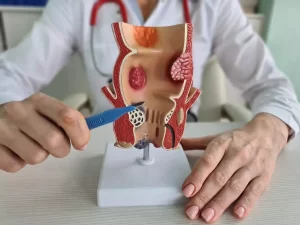
An anal fistula is an abnormal tunnel or tract that forms between the inside of the anus (or rectum) and the skin on the outside, near the anal area. This tunnel develops most commonly after an anal abscess — a pocket of infection near the anus — has either burst on its own or been surgically drained. Unlike a fissure, a fistula does not heal on its own. Surgical treatment is always required for a fistula.

Types of Anal Fistulas

  • Intersphincteric fistula: Passes between the internal and external sphincter muscles. The most common type.
  • Transsphincteric fistula: Passes through both sphincter muscles. Requires careful surgical planning.
  • Suprasphincteric fistula: Loops above the sphincter complex. Less common, more complex to treat.
  • Extrasphincteric fistula: Passes entirely outside the sphincter. Rare and most complex to manage.
  • Horseshoe fistula: Extends around both sides of the anus with external openings on both sides. Requires staged surgery.

Common Symptoms of Anal Fistula

  • Persistent, foul-smelling discharge from an opening near the anus, often staining undergarments
  • Throbbing, persistent pain that worsens when sitting, moving, or during bowel movements
  • Swelling and redness around the anal region
  • Fever and chills if there is an associated abscess
  • Skin irritation around the external opening
  • Bleeding during bowel movements in some cases

Key Difference: Fissure vs Fistula

Feature Anal Fissure Anal Fistula
What it is A tear in the anal lining An abnormal tunnel/tract
Primary symptom Severe pain during bowel movements Discharge and persistent pain
Bleeding Common (bright red) Possible but secondary
Cause Hard stools, straining, constipation Usually follows anal abscess
Self-healing Possible (acute) Never — always needs surgery
Surgical need Only if chronic or recurring Always required

Causes and Risk Factors

Causes of Anal Fissure

  • Passing hard, large, or dry stools
  • Chronic constipation or chronic diarrhoea
  • Straining during bowel movements
  • Childbirth (vaginal delivery)
  • Inflammatory bowel disease (Crohn's disease)
  • Anal intercourse

Causes of Anal Fistula

  • Perianal abscess (most common cause — up to 50% of abscesses lead to fistula)
  • Blocked anal glands
  • Crohn's disease or inflammatory bowel disease
  • Tuberculosis (TB) — a significant cause in India
  • Sexually transmitted infections (syphilis, chlamydia)
  • Previous surgery near the anal region
  • Radiation therapy to the pelvic area

Risk Factors for Both

  • Low-fibre diet
  • Inadequate water intake
  • Sedentary lifestyle
  • Obesity
  • History of anorectal conditions

Diagnosis: What to Expect at Dr. Gastro's Clinic

At Dr. Gastro's clinic at Shaleen Multi Speciality Hospital in Ahmedabad, the diagnostic process is thorough yet patient-friendly. Dr. Hamik Chandra Patel conducts a detailed evaluation to confirm the diagnosis and determine the appropriate treatment plan.

Diagnostic Steps

  1. Medical History Review Detailed discussion of your symptoms — duration, severity, pattern of pain, bleeding, and discharge — along with your dietary habits, bowel movement frequency, and past medical or surgical history.
  2. Physical Examination A gentle visual inspection of the perianal area. In most cases, a fissure or fistula can be identified on visual examination. The external opening of a fistula is typically visible as a small opening near the anus.
  3. Digital Rectal Examination (DRE) Used cautiously in fissure cases due to pain. Helps assess sphincter tone and identify internal abnormalities.
  4. Proctoscopy / Sigmoidoscopy A small, lighted instrument is used to examine the inside of the rectum and lower colon. Helps identify the internal opening of a fistula and rule out associated conditions.
  5. Imaging — MRI Fistulogram For complex or high fistulas, an MRI fistulogram is the gold standard. It maps the exact path of the fistula tract, its relationship to the sphincter muscles, and any secondary extensions — critical information for planning surgery safely.
  6. Additional Tests (if needed)
  • Ultrasound for abscess detection
  • Blood tests for infection or inflammatory markers
  • Anorectal manometry to measure sphincter pressure

Treatment Options: From Conservative to Surgical

For Anal Fissure

Conservative Treatment (First-Line for Acute Fissures):
  • High-fibre diet — fruits, vegetables, whole grains to soften stools
  • Adequate hydration — 8–10 glasses of water per day
  • Sitz baths — warm water soaks (without soap) for 10–15 minutes after bowel movements to relax the sphincter
  • Topical anaesthetic creams — for pain relief during bowel movements
  • Stool softeners — to ease passage until the fissure heals
  • Topical nitrates or calcium channel blockers — relax the internal sphincter to improve blood flow and promote healing
When Is Surgery Required for Fissure? Surgery is recommended when:
  • The fissure is chronic (not healed after 6–8 weeks of medical treatment)
  • There is recurrent history of fissures
  • An anal sphincter spasm is present that prevents healing
  • Conservative treatment has failed to provide relief
Surgical Treatment — Lateral Internal Sphincterotomy (LIS): This is the most commonly performed and most effective procedure for chronic anal fissure at Dr. Gastro's clinic in Ahmedabad. The procedure involves making a small, controlled cut in the internal anal sphincter muscle to:
  • Relieve the chronic muscle spasm
  • Restore blood flow to the fissure site
  • Allow natural healing to occur
LIS is typically performed as a day-surgery procedure under short general or local anaesthesia. Most patients return home the same day and experience significant pain relief within days.

For Anal Fistula

Important: There is no effective medical treatment for anal fistula. All fistulas require surgical intervention. The goal of surgery is to remove or close the fistula tract while protecting the sphincter muscles and preventing incontinence.
  1. Fistulotomy (Laying Open) The most common procedure for simple, low fistulas. The surgeon opens the entire fistula tract, converting it into a groove that heals from the inside out. Highly effective for superficial fistulas with minimal sphincter involvement.
  2. Seton Placement A thin surgical thread (seton) is passed through the fistula tract and tied loosely or tightly:
  • Loose seton — keeps the tract open to drain, used as a staged approach
  • Cutting seton — gradually cuts through the sphincter over weeks, reducing incontinence risk compared to immediate fistulotomy for high fistulas
  1. Advancement Flap Procedure A flap of rectal tissue is created and advanced to cover the internal opening of the fistula. Preferred when there is significant sphincter involvement, as it avoids cutting the muscle directly.
  2. VAAFT — Video-Assisted Anal Fistula Treatment A minimally invasive technique using a small video scope (fistuloscope) inserted into the fistula tract to:
  • Identify all internal openings and secondary tracts
  • Destroy the fistula tract from inside using an electrode
  • Close the internal opening using a stapler or suture
VAAFT is particularly effective for complex fistulas and offers significant advantages: no cutting of sphincter muscles, minimal risk of incontinence, shorter recovery, and can be performed as day surgery.
  1. Laser Fistula Treatment A laser fibre is inserted through the fistula tract to destroy and seal it from within. Minimally invasive, with rapid recovery and low recurrence risk for appropriate cases.
  2. Fibrin Glue Injection A biological adhesive is injected to seal the fistula tract. Less invasive but has lower long-term success rates compared to surgical options. Suitable for select cases.
Fissure and fistula surgery in Ahmedabad

What to Expect: Before, During, and After Surgery

Before Surgery

  • Pre-operative blood tests and ECG (if required)
  • Bowel preparation — your surgeon will advise dietary restrictions and cleansing
  • Stop blood-thinning medications as advised
  • Arrange for someone to accompany you on the day of surgery and to assist at home for the first 24–48 hours

During Surgery

  • Most fissure and fistula surgeries at Dr. Gastro's clinic are performed under short general or spinal anaesthesia
  • Operating time: 30–60 minutes for most procedures
  • Day surgery for most cases — you return home the same day

After Surgery — Recovery and Care

  • Pain management: Mild to moderate discomfort for a few days — controlled with prescribed medication
  • Sitz baths: Warm water soaks 2–3 times daily and after each bowel movement — accelerates healing and reduces discomfort
  • Diet: High-fibre foods and plenty of fluids to maintain soft stools
  • Activity: Light walking encouraged within 24 hours. Avoid heavy lifting and strenuous activity for 2–4 weeks
  • Return to work: Most patients return to desk work within 5–7 days. Manual labour may require 2–3 weeks
  • Follow-up: Regular appointments at Dr. Gastro's clinic to monitor healing

Why Choose Dr. Gastro for Fissure and Fistula Surgery in Ahmedabad?

Expert Gastro and Laparoscopic Surgeon: Dr. Hamik Chandra Patel at Dr. Gastro clinic brings specialised expertise in gastrointestinal and anorectal surgery. His experience with both routine and complex fistula cases ensures accurate diagnosis and the most appropriate surgical approach for your specific condition. Advanced Minimally Invasive Techniques: From the gold-standard Lateral Internal Sphincterotomy for fissures to VAAFT and laser treatment for complex fistulas, Dr. Gastro's clinic offers the full range of modern surgical options — designed to minimise pain, reduce recovery time, and protect sphincter function. International Standards at Shaleen Hospital: Shaleen Multi Speciality Hospital, located on Science City Road, Sola, Ahmedabad, operates to international healthcare standards. The facility provides a clean, comfortable, and fully equipped surgical environment for day procedures and inpatient care. Patient-Centred Approach: Every patient at Dr. Gastro's clinic receives a thorough evaluation before any surgical recommendation is made. Conservative treatment is always exhausted first for fissures. Surgery is recommended only when genuinely needed and always with a clear explanation of the procedure, risks, and expected outcomes. Convenient Location in Ahmedabad: Located near Mangaldeep Party Plot Road, Science City Road, Sola — easily accessible from across Ahmedabad including Naranpura, Chandkheda, Bopal, Satellite, and Navrangpura.

Conclusion

Fissure and fistula are painful, life-disrupting conditions — but both are highly treatable with modern surgical techniques. Whether your condition is a chronic fissure that has not healed with conservative treatment or a complex fistula requiring advanced surgical planning, early consultation is always the right decision. Dr. Gastro's clinic at Shaleen Multi Speciality Hospital, Sola, Ahmedabad, offers specialised expertise in both conditions — combining thorough diagnosis, patient-centred care, and the most advanced minimally invasive surgical options available in Ahmedabad today. Do not let hesitation delay the relief you deserve. Book your consultation with Dr. Gastro in Ahmedabad today. 📍 Shaleen Multi Speciality Hospital, Near Mangaldeep Party Plot Road, Science City Road, Sola, Ahmedabad – 380060 📞 9512039041 / 8238092233 📧 drhamikchandra@gmail.com Book an Appointment →
Read more...