The start of a new year is the perfect time to set resolutions for a healthier and happier life. For many, this includes making healthier choices to improve overall well-being, and your digestive health should be at the top of the list. Chronic acidity and bloating are two common digestive issues that affect millions of people worldwide, and they often go hand-in-hand, leaving individuals uncomfortable and frustrated.
At
Dr. Gastro, a trusted
gastroenterologist in Ahmedabad, we understand how chronic acidity and bloating can impact your daily life. The good news is that with the right lifestyle changes, diet modifications, and a few simple resolutions, you can significantly reduce or eliminate these issues. In this blog, we’ll explore
7 New Year’s resolutions to help cure chronic acidity and bloating in 2026, leading to a healthier gut and a more comfortable life.
1. Start the Day with Water: Hydrate for Better Digestion
One of the simplest and most effective ways to improve your digestive health is to stay hydrated.
Water plays a crucial role in digestion, nutrient absorption, and maintaining the proper function of your intestines. Many people overlook the importance of drinking water, but dehydration is a common contributor to bloating and acidity.
Resolution Tip:
Start your day by drinking a glass of
warm water with a slice of lemon. This simple habit helps flush out toxins, stimulates digestion, and supports the proper functioning of your digestive system. It also reduces the risk of acid reflux by promoting healthy stomach acid levels.
Benefit:
Staying hydrated keeps food moving through your digestive tract and prevents the discomfort of bloating and indigestion.
2. Eat Smaller, Frequent Meals: Say Goodbye to Overeating
Overeating is one of the main culprits behind
acidity and
bloating. Large meals put excessive pressure on your stomach, causing it to produce more acid, which can lead to acid reflux and discomfort. Eating large meals can also slow down digestion and contribute to bloating.
Resolution Tip:
Instead of three large meals, aim to eat
smaller, more frequent meals throughout the day. This approach not only helps with digestion but also keeps your metabolism active. Try to eat
five smaller meals instead of two or three large ones. This will reduce the pressure on your digestive system, prevent overeating, and promote better digestion.
Benefit:
Smaller meals allow your digestive system to process food more efficiently, preventing bloating and acidity.

3. Prioritize Fiber-Rich Foods: Boost Your Gut Health
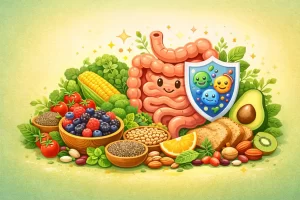
A diet high in
fiber is essential for maintaining healthy digestion. Fiber helps keep your stool soft, promotes regular bowel movements, and prevents constipation, which can contribute to bloating. Additionally, fiber helps to regulate stomach acid levels, reducing the likelihood of acidity.
Resolution Tip:
Incorporate more
fiber-rich foods into your diet, such as
fruits, vegetables, whole grains, and
legumes. Foods like
apples,
spinach,
avocados, and
lentils are excellent sources of fiber that will support your digestive health. Fiber not only aids in digestion but also nourishes the good bacteria in your gut, promoting a balanced gut microbiome.
Benefit:
Eating more fiber helps reduce bloating, improve digestion, and regulate acid levels in your stomach, which is key to avoiding chronic acidity.
4. Avoid Trigger Foods: Identify What Doesn’t Sit Well
Certain foods are known to trigger
acidity and
bloating in many people. Common culprits include
spicy foods,
fried foods,
carbonated beverages,
caffeine, and
dairy products. While these foods may be delicious, they can disrupt digestion and lead to discomfort.
Resolution Tip:
Identify and avoid foods that trigger your symptoms. Keep a
food diary to track what you eat and when symptoms occur. Consider reducing or eliminating
spicy, greasy, or acidic foods from your diet. If dairy is a problem, try lactose-free alternatives or switch to plant-based milk options like almond or oat milk.
Benefit:
Avoiding trigger foods will help reduce episodes of bloating and acidity, making your digestion smoother and more comfortable.
5. Practice Mindful Eating: Slow Down and Enjoy Your Meals
One of the most common causes of digestive issues is eating too quickly. When you rush through meals, you swallow air, which can lead to bloating. Additionally, eating too fast prevents your stomach from sending signals to your brain that it’s full, leading to overeating and subsequent digestive discomfort.
Resolution Tip:
Practice
mindful eating by slowing down and focusing on your food. Take smaller bites, chew thoroughly, and pay attention to your hunger and fullness cues. This practice helps improve digestion and allows your body to better process the food you eat.
Benefit:
Mindful eating helps your body digest food more efficiently, reducing the likelihood of bloating, acid reflux, and overeating.
6. Manage Stress: Relax for Better Digestion
Stress is a major contributor to digestive problems like acidity and bloating. When you're stressed, your body produces more cortisol, a hormone that can disrupt digestion, slow down gut motility, and increase stomach acid production. Stress can also lead to unhealthy eating habits, such as overeating or choosing foods that aggravate digestion.
Resolution Tip:
Incorporate
stress-reducing activities into your daily routine, such as
yoga,
meditation,
deep breathing, or
walking. These activities can help lower cortisol levels, improve digestion, and reduce the physical symptoms of stress, including bloating and acidity.
Benefit:
Managing stress improves overall gut health and prevents the physical discomfort of bloating and acid reflux.
7. Include Probiotics: Support Your Gut Microbiome
Probiotics are beneficial bacteria that support a healthy gut microbiome. They help maintain a balance of good bacteria in your digestive system, improving digestion and reducing symptoms of bloating and acidity. Probiotics can also enhance your immune system and improve the absorption of nutrients from food.
Resolution Tip:
Add
probiotic-rich foods like
yogurt,
kimchi,
sauerkraut, and
kefir to your diet. If you prefer supplements, consult your doctor or gastroenterologist to choose the best probiotic for your needs.
Benefit:
Probiotics help balance the gut microbiome, improve digestion, and reduce symptoms of bloating, gas, and acidity.
Conclusion: A Healthier Gut in 2026
As we enter 2026, making the right resolutions for your digestive health can lead to a year of
comfort and well-being. By following these
7 simple resolutions—drinking more water, eating smaller meals, prioritizing fiber, avoiding trigger foods, practicing mindful eating, managing stress, and including probiotics—you can cure chronic acidity and bloating for good.
At
Dr. Gastro, we’re committed to helping you achieve optimal digestive health. If you continue to experience chronic acidity or bloating despite making these changes, don’t hesitate to
contact us. Our team of expert gastroenterologists in Ahmedabad can help diagnose any underlying conditions and provide personalized treatment options to get you back on track.