“Gas” or Gallstones? Why Heavy Wedding Food Triggers Sudden Stomach Pain

The wedding season is one of the most exciting and joyous times of the year, especially in India, where grand celebrations are at the heart of every tradition. However, among the festivities, music, and dance, many people face an unexpected and unpleasant experience: sudden stomach pain after indulging in heavy wedding food. While this discomfort is often dismissed as gas, there could be another underlying issue at play, like gallstones. Understanding the difference between gas and gallstone-related pain is crucial, as it can help you take the right steps for treatment and prevention. In this blog, we will explore why heavy wedding food triggers stomach pain, how to differentiate between gas and gallstones, and what you can do to prevent it. At Dr. Gastro, a trusted gastroenterologist in Ahmedabad, we are dedicated to providing expert advice and care for all your digestive concerns. Let’s delve into the relationship between heavy foods and digestive issues, and help you understand how to protect your stomach this wedding season.

Why Heavy Wedding Food Triggers Stomach Pain

Wedding banquets are known for their indulgent dishes—rich, spicy curries, deep-fried snacks, sweet desserts, and heavy meats. While all these foods contribute to the festive mood, they can wreak havoc on your digestive system, leading to discomfort and pain. Here's why:
  1. Overeating and Large Portion Sizes: During weddings, it’s easy to indulge in large portions of food due to the abundance of delicious options. Overeating stretches the stomach, putting pressure on the digestive system. This can lead to bloating, gas, and indigestion, causing discomfort in the abdomen.
  2. Fatty and Oily Foods: Many wedding dishes are high in fat and oils, such as deep-fried items, creamy gravies, and rich meats. These foods take longer to digest, which can lead to feelings of fullness, bloating, and discomfort. Additionally, high-fat foods stimulate the production of stomach acid, which can cause acid reflux or indigestion.
  3. Spicy and Heavy Ingredients: Spicy foods, common in Indian wedding dishes, can irritate the lining of the stomach and intestines. Spices like chili, mustard, and garlic can trigger acid reflux or worsen gastric issues, especially if consumed in excess. For people with sensitive digestive systems, these foods can exacerbate symptoms of heartburn and indigestion.
  4. Alcohol and Carbonated Drinks: Alcohol is often consumed in large quantities at weddings, leading to stomach irritation. Carbonated beverages like sodas can also contribute to bloating and gas. Both of these can trigger acid reflux, bloating, and distension, causing discomfort in the upper abdomen.
  5. Stress and Anxiety: Weddings can be stressful, with the pressure of attending events, meeting family members, and dealing with the excitement. Stress can disrupt the digestive process, slowing it down and making it harder for the body to break down food properly. This can contribute to indigestion, bloating, and discomfort.

   

Is It Gas or Gallstones? Understanding the Difference

When stomach pain occurs after eating heavy food at a wedding, it’s common to assume it’s just gas or indigestion. However, in some cases, the pain could be a sign of a more serious condition like gallstones. Here’s how you can tell the difference:
  1. Gas:

Gas pain occurs when there is a buildup of gas in the stomach or intestines. This can happen after consuming heavy, greasy, or spicy foods, especially in large quantities. Symptoms of gas:
  • Bloating or feeling full
  • Sharp or cramp-like pain in the abdomen, especially after eating
  • Frequent burping or passing gas
  • Pain that comes and goes, often relieved by passing gas or a bowel movement
  • A feeling of heaviness or discomfort after meals
Cause of Gas:
  • Overeating
  • Consumption of foods that are difficult to digest (fatty, spicy, or fibrous foods)
  • Carbonated drinks and alcohol
  • Swallowing air while eating or drinking
Relief: Gas pain is typically temporary and can be relieved by passing gas, taking a walk, or consuming over-the-counter remedies like simethicone (e.g., Gas-X). A warm compress or gentle abdominal massage can also help.
  1. Gallstones:

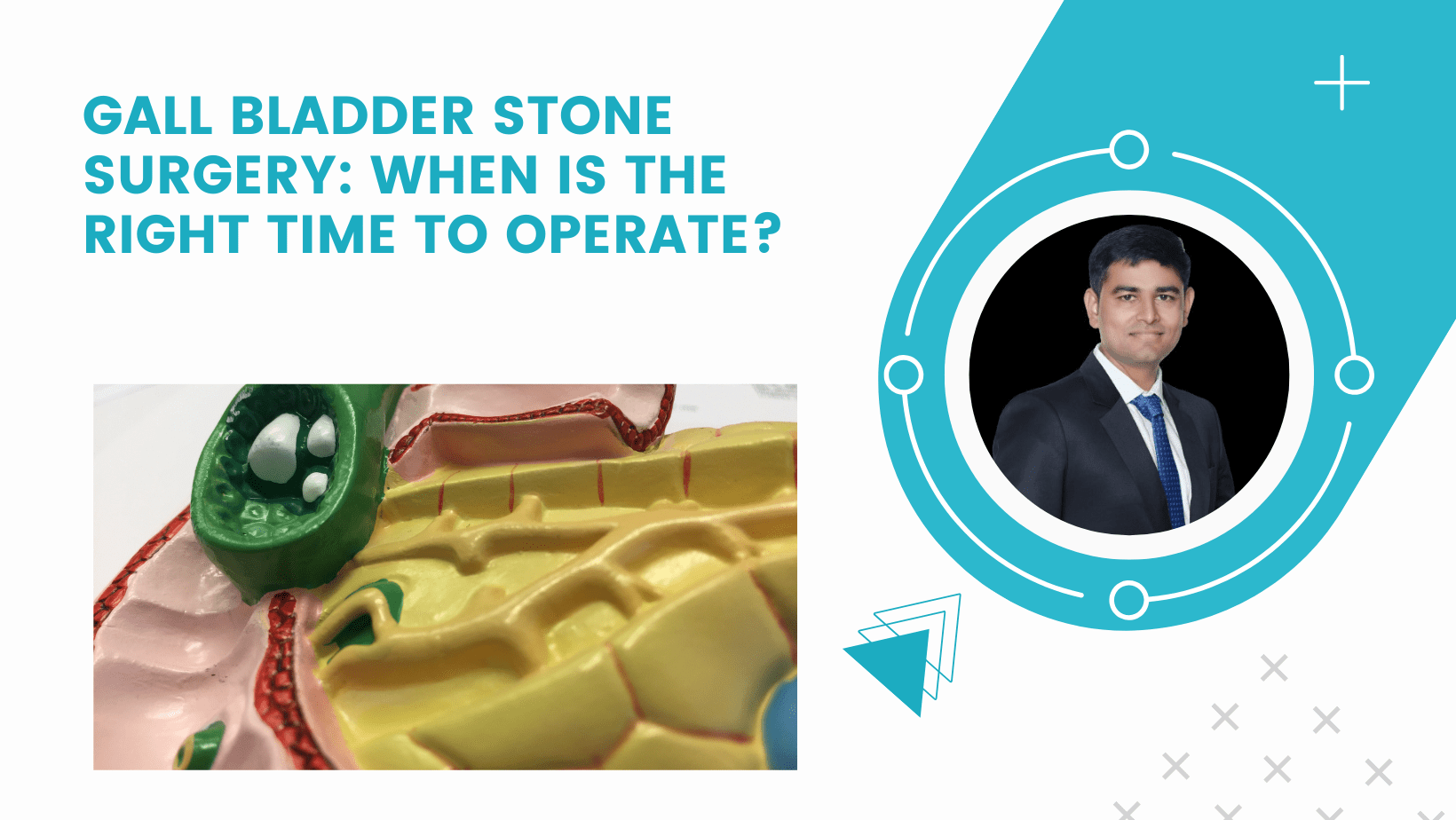
Gallstones are hardened deposits of bile in the gallbladder, a small organ located beneath the liver. These stones can block the normal flow of bile into the intestines, causing pain. Gallstone-related pain typically occurs after eating a fatty meal, as the gallbladder is responsible for breaking down fats. Symptoms of gallstones:
  • Severe, steady pain in the upper abdomen or right side, often radiating to the back or shoulder
  • Pain that lasts from 30 minutes to several hours
  • Nausea and vomiting
  • Fever (if the gallbladder is inflamed or infected)
  • Jaundice (yellowing of the skin or eyes in severe cases)
Cause of Gallstones:
  • A high-fat diet
  • Obesity or being overweight
  • Rapid weight loss (from dieting or surgery)
  • Genetics or family history
  • Age (more common in people over 40)
  • Gender (more common in women)
Relief: Gallstone pain often requires medical intervention. In some cases, the stones may need to be removed through a procedure called cholecystectomy (removal of the gallbladder). If you suspect gallstones, it’s essential to consult with a gastroenterologist for a proper diagnosis and treatment.    

How to Prevent Stomach Pain and Digestive Issues This Wedding Season

Whether it’s gas, gallstones, or simple indigestion, there are steps you can take to avoid stomach pain and discomfort during the wedding season:
  1. Moderate Your Portions: Avoid overeating at wedding feasts. Eat smaller portions and chew your food thoroughly to aid digestion.
  2. Limit Fatty and Spicy Foods: While rich wedding dishes are tempting, try to limit your intake of fried, greasy, or spicy foods. Opt for lighter options when possible to prevent acid reflux and indigestion.
  3. Stay Hydrated: Drink plenty of water throughout the day, especially if you’re indulging in alcohol. Staying hydrated helps your digestive system process food more efficiently and prevents dehydration, which can worsen constipation and bloating.
  4. Take Digestive Enzymes: If you have a sensitive stomach, consider taking over-the-counter digestive enzyme supplements before meals. These can help break down fats and improve digestion, reducing the risk of bloating and discomfort.
  5. Avoid Stress: Weddings can be stressful, but try to manage your stress levels. Take breaks when needed, practice relaxation techniques, and avoid rushing meals.
  6. Exercise Regularly: Regular physical activity helps keep your digestive system moving and reduces bloating. If you feel discomfort after a heavy meal, take a short walk to help relieve gas and improve digestion.
  7. Consult with a Gastroenterologist: If you’re experiencing frequent or severe stomach pain, it’s essential to consult a gastroenterologist. Dr. Gastro specializes in diagnosing and treating digestive issues like gas, gallstones, acid reflux, and other gastrointestinal conditions.
Conclusion: Know the Difference, Protect Your Health

While the heavy, rich foods at weddings are a treat, they can trigger digestive issues like gas and, in some cases, gallstones. By understanding the symptoms and causes of both conditions, you can avoid unnecessary discomfort this wedding season. At Dr. Gastro, we are committed to helping you maintain optimal digestive health, whether you’re dealing with occasional indigestion or more serious conditions like gallstones. If you're experiencing frequent stomach pain or suspect a more serious issue, don’t hesitate to seek professional help.
Read more...

Gall Bladder Stone Surgery: When Is the Right Time to Operate?

Gall bladder stones are a common yet painful condition that can cause a variety of symptoms, from mild discomfort to severe pain. When it comes to treatment, surgery is often recommended if the condition worsens. At Dr Gastro, we specialize in Gall Bladder Stone Surgery in Ahmedabad, offering the latest surgical methods to ensure a quick and efficient recovery. But when is the right time to consider surgery? Let’s explore the signs, causes, and the best treatment options for gall bladder stones.

What Are Gall Bladder Stones?

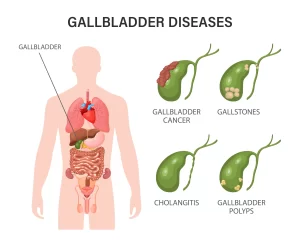
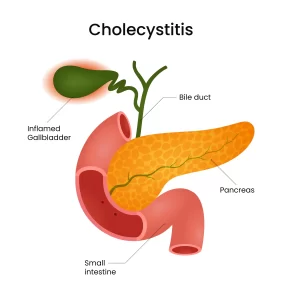
Gall bladder stones (also known as cholelithiasis) are hardened deposits of bile that form in the gall bladder. The gall bladder, a small organ located just beneath the liver, stores bile, which helps digest fats. These stones can vary in size and may be composed of cholesterol or bilirubin. Gall bladder stones may not cause immediate symptoms, but they can lead to painful complications if left untreated. In some cases, they can block the bile ducts, leading to a condition called cholecystitis or even jaundice, which is why it’s important to understand when surgery might be necessary. Symptoms of Gall Bladder Stones: When Should You Seek Treatment? Some people with gall bladder stones may not experience symptoms. However, if you’re dealing with any of the following, it might be time to consider gall bladder stone surgery in Ahmedabad:
  • Abdominal Pain: Often severe, this pain typically occurs in the upper right side of the abdomen and may last for several hours. It’s usually triggered after eating a fatty meal.
  • Indigestion and Bloating: Feeling full, bloated, or having indigestion after meals can be signs of gall stones.
  • Nausea or Vomiting: Persistent nausea and vomiting, particularly after eating, are common symptoms.
  • Jaundice: Yellowing of the skin or eyes can occur if a gall bladder stone blocks a bile duct.
  • Fever and Chills: If an infection is present, fever may develop, which requires immediate medical attention.
If you experience any of these symptoms, it’s best to consult a specialist for a diagnosis. When Is the Right Time for Gall Bladder Stone Surgery? The decision to have gall bladder stone surgery depends on several factors. Here are the key signs that surgery may be necessary:
  1. Frequent or Severe Pain
If you experience recurrent episodes of intense abdominal pain (biliary colic) due to gall stones, surgery might be recommended. These episodes can become more frequent and severe over time.
  1. Infection or Inflammation
If a gall bladder stone causes infection (cholecystitis) or inflammation of the gall bladder, it becomes a medical emergency. In this case, gall bladder stone surgery in Ahmedabad is often the only treatment option to prevent serious complications like gall bladder rupture.
  1. Obstruction of the Bile Duct
When a gall stone blocks the bile duct, it can lead to jaundice, pancreatitis, and other life-threatening conditions. Surgery is needed to remove the stone and restore proper bile flow.
  1. Chronic Digestive Problems
If gall bladder stones are causing frequent digestive problems, such as nausea, bloating, or indigestion, it may be time to consider surgery for better long-term relief.
  1. Risk of Gall Bladder Cancer
Although rare, untreated gall bladder stones may increase the risk of gall bladder cancer. In cases of chronic inflammation or symptoms that do not resolve, surgery may be necessary as a preventive measure. Types of Gall Bladder Stone Surgery There are two primary types of surgeries for gall bladder stone removal:
  1. Laparoscopic Cholecystectomy (Minimally Invasive)
This is the most common method used for gall bladder stone surgery in Ahmedabad. It involves making small incisions in the abdomen, through which a camera and surgical tools are inserted. The gall bladder is then removed using these instruments. This method offers several advantages:
  • Smaller incisions and faster recovery time
  • Less pain after the procedure
  • Shorter hospital stay
  1. Open Cholecystectomy (Traditional Surgery)
In some cases, especially if there are complications or if the gall bladder is severely inflamed, a traditional open surgery may be necessary. This involves a larger incision and a longer recovery period. At Dr Gastro, our surgeons are experienced in both procedures, using the most appropriate method depending on the severity of the condition. What to Expect After Gall Bladder Stone Surgery After your surgery, recovery time will vary depending on the type of surgery performed:
  • Laparoscopic Surgery: Most patients can go home the same day or the next day. The recovery period typically lasts 1–2 weeks, and you can resume light activities shortly after.
  • Open Surgery: Recovery may take 4–6 weeks, as the procedure is more invasive. Hospital stays are longer, and you will need to avoid strenuous activities during this period.
Aftercare Tips:
  • Avoid fatty foods for a few weeks to allow your digestive system to adjust.
  • Stay hydrated and eat light, easy-to-digest meals initially.
  • Follow up with your surgeon for post-surgery checkups and monitoring.
Why Choose Dr Gastro for Gall Bladder Stone Surgery in Ahmedabad? At Dr Gastro, we offer the latest techniques for gall bladder stone surgery in Ahmedabad. Our team of expert gastroenterologists and surgeons provide personalized care, ensuring the best possible outcome for each patient.
  • Experienced Surgeons: Our surgeons are highly skilled in both laparoscopic and open surgery techniques.
  • State-of-the-art Facilities: We use advanced diagnostic tools and modern surgical equipment.
  • Comprehensive Care: From diagnosis to post-surgery recovery, we offer a full spectrum of care tailored to your needs.
Conclusion: Take the First Step Toward Relief If you are experiencing symptoms of gall bladder stones, it’s essential to get a professional opinion. Gall bladder stone surgery in Ahmedabad can provide lasting relief and prevent serious complications. Schedule a consultation today at Dr Gastro and take the first step toward a healthier, pain-free life. We are here to provide expert care for your gall bladder health.
Read more...

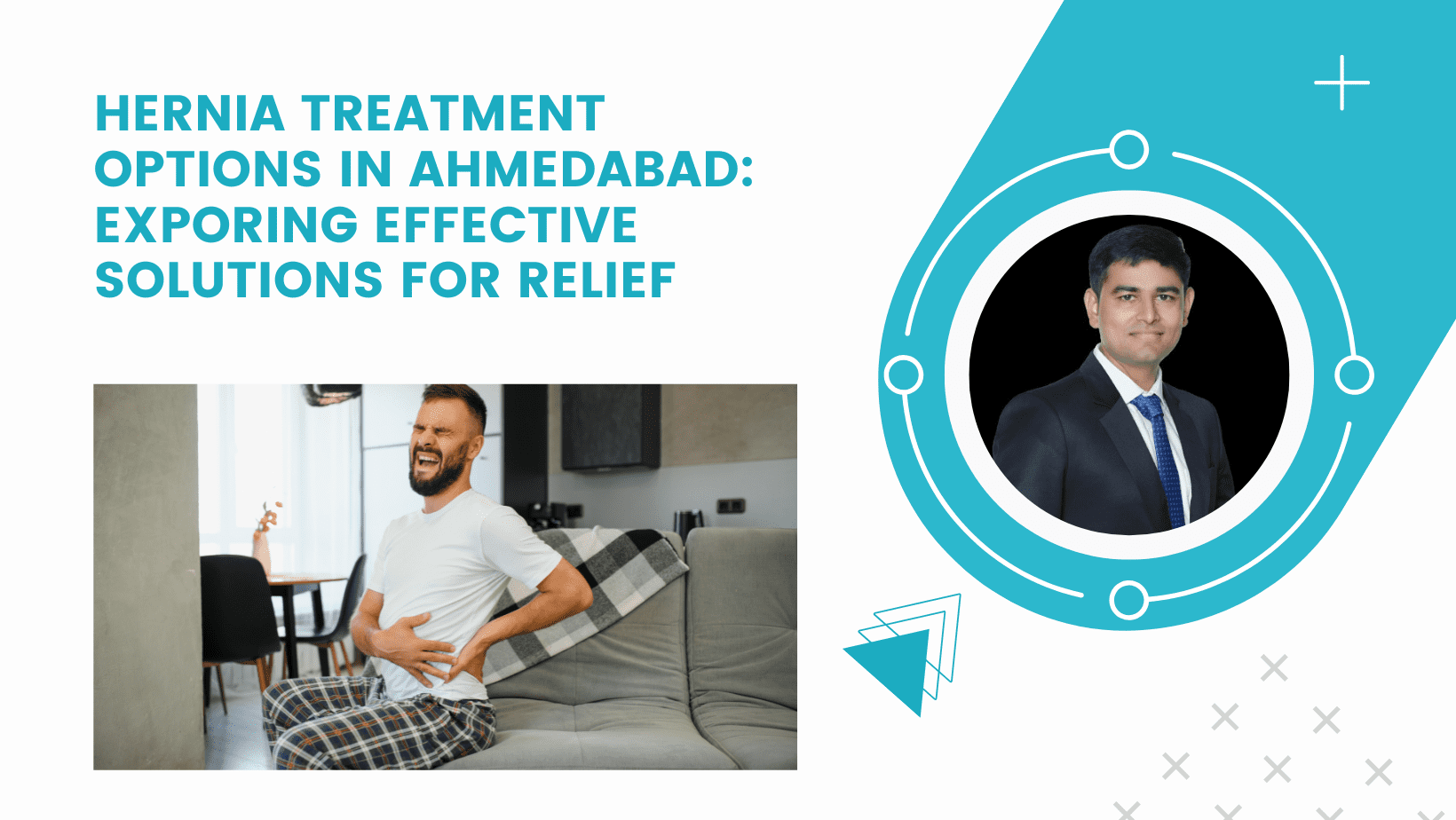
Hernia Treatment Options in Ahmedabad: Exporing Effective Solutions For Relief

When you’re at a point of considering Hernia treatment in Ahmedabad, you probably know about symptoms, types, surgical vs non-surgical approach. But there’s more to the decision. What brings comfort and long-term relief in such treatments is familiarity with things like relief measures, cost transparency, hospital choices, prevention, and how you prepare beforehand. Here’s a guide to help you explore those often-overlooked aspects so you can make an informed decision for getting effective relief in the smartest way. Treatment for a hernia is specific to its type and severity. While surgery is the only permanent cure for most hernias, there are non-surgical measures that focus on symptom management and preventing complications. The most effective path depends on the type, size, and severity of the hernia, as well as the patient's overall health. Consulting a doctor for Hernia treatment in Ahmedabad is crucial to help determine the best plan to move forward. RELIEF MEASURES FOR DIFFERENT TYPES OF HERNIA: It is crucial to consult a doctor for a proper diagnosis and treatment plan, as an untreated hernia can lead to serious complications, such as strangulation. 

Inguinal hernia

The hernia appears as a bulge in the groin, which is the area between the lower abdomen and the thigh. This is a result of a weakness in the abdominal wall that allows fatty tissue or a portion of an organ, like the intestine, to bulge through. 
  • Maintain a healthy weight: Excess weight puts pressure on the abdominal wall. Losing weight can reduce this pressure and alleviate symptoms.
  • Manage chronic cough or constipation: Conditions that cause frequent straining should be treated immediately to prevent worsening a groin hernia. 
  •  Hernia belts: A supportive undergarment or belt can apply gentle, targeted pressure to keep the hernia in place and relieve discomfort. This is a temporary solution that should only be used under a doctor's guidance.
  • Recline to reduce the bulge: If it is a reducible hernia, lying flat on your back can aid the abdominal contents to return to their proper locations, providing relief.
Umbilical hernia The hernia occurs near or at the navel, which is where the umbilical cord was connected to the fetus. This happens if the opening in the abdominal wall for the umbilical cord hasn’t closed completely after birth. It can cause a soft swelling or bulge at the belly button, which may be more prominent when a baby cries or an adult strains or coughs
  • Gentle exercises: Physical therapy or gentle, low-impact exercises like walking, swimming or gentle yoga can strengthen core muscles without straining or increasing pressure on the abdomen.
  • Watchful waiting for infants: For young children, many umbilical hernias close on their own. A doctor may simply monitor it for Hernia treatment in Ahmedabad for kids.
  • Managing weight: In adults, similar to inguinal hernias, managing weight and avoiding abdominal strain are key to controlling symptoms.
Hiatal hernia This hernia occurs when the upper part of the stomach pushes up through an opening in the diaphragm (the muscle that separates the abdomen and chest) into the chest cavity. This often causes acid reflux and heartburn.
  • Dietary adjustments: Avoiding large or heavy meals and foods that trigger heartburn, such as fried foods and caffeine, can provide relief. Eating smaller, more frequent meals and not lying down immediately after eating can help.
  • Elevate the head of the bed: Raising the head of your bed by a few inches can help prevent stomach acid from coming up the oesophagus while you sleep.
  • Quit smoking: Since smoking weakens connective tissues and increases the risk of acid reflux, quitting it can bring relief. 
  • Avoid tight clothing: Wear loose-fitting, comfortable clothes that don't put pressure on the abdominal area.
  •  Use pain medication: For general pain, over-the-counter pain relievers like acetaminophen or ibuprofen may be recommended by a doctor. For a hiatal hernia, medications like antacids can reduce stomach acid to relieve heartburn. 
Incisional hernia This hernia is located at the site of a previous surgical incision. It occurs when tissue, such as an organ or intestine, pushes through a weakened abdominal wall at a surgical scar. While they can happen anywhere an incision was made, they are most common along the midline of the abdomen, running from sternum down to the pubis.  
  • Protect the incision post-surgery: For a period after a major abdominal operation, you should avoid excessive straining and may be advised to wear a special abdominal binder to support the area.
  • Support during strenuous actions: If you need to cough, sneeze, or strain, holding a pillow firmly against your incision can help ease pain and support the area.
  • Physical therapy: Guided exercises may be recommended to strengthen the core muscles and provide gradual support. 
  •  Ice pack: Applying an ice pack can help reduce pain and swelling. Wrap it in a towel and apply for 10–15 minutes at a time. 
PREVENTIVE MEASURES Preventing hernia requires adopting lifestyle habits that reduce abdominal pressure and enhance muscle strength. Maintaining a healthy body weight is crucial, as excess weight strain on the abdominal wall can increase the risk of hernia formation. Regular physical activity, like planks and pelvic tilts strengthen the core, providing better support to internal organs. Use proper form when lifting objects by bending your knees and keeping your back straight to avoid straining. Maintain regular bowel movements by eating a diet that is high in fibre and stay hydrated. While these approaches do not cure hernias, they can play a pivotal role in symptom management and overall well-being. By adopting these preventive measures, individuals can significantly reduce their risk of developing a hernia and promote overall abdominal health. WHEN TO SEEK EMERGENCY CARE? While the measures mentioned above can provide relief in cases where doctors recommend waiting or monitoring the hernia, certain symptoms require prompt medical attention. Surgery is the definitive treatment for most hernias and is required if the hernia is painful, getting larger, or becomes incarcerated (trapped) or strangulated (blood supply cut off).  Seek Hernia treatment in Ahmedabad immediately in case of: 
  • Sudden, severe pain.
  • Redness, swelling, or discoloration over the hernia.
  • Fever, nausea, or vomiting.
  • A bulge that cannot be pushed back in (incarcerated hernia)
  It is important to realise that hernias are structural abnormalities that typically do not resolve without intervention. Therefore, individuals experiencing symptoms should consult healthcare professionals for Hernia treatment in Ahmedabad to determine the most appropriate course of action. By integrating these supportive measures, individuals can effectively manage hernia symptoms and improve their quality of life, all while incorporating surgical or non-surgical interventions as advised.
Read more...

Colon Cancer Awareness in Ahmedabad: Early Detection and Preventive Measures

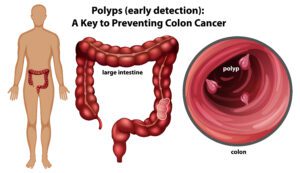
One of the most common types of cancer is Colon Cancer or colorectal cancer which affects both men and women worldwide. Colon cancer happens when cells in the colon develop changes in their DNA, causing them to multiply uncontrollably and form a tumour that can invade and spread to other parts of the body. Often, these cancers begin as non-cancerous growths called polyps that can become malignant over time. The number of cases is rising in India, which demands the necessity of awareness of its symptoms so that a person can seek timely medical treatment.   SYMPTOMS
  •       Abdominal pain
  •       Clueless weight loss
  •       Blood in the stool
  •       Weakness or fatigue
  •       Persistent abdominal discomfort such as gas, cramps, or bloating
  •       Changes in bowel movement are very common symptoms in Colon Cancer.
Sometimes, the abdominal pain and other non-specific symptoms mimic early signs of appendicitis, leading to incorrect diagnosis. If one is consistently experiencing these symptoms, seeking medical attention on immediate basis is important. If diagnosed timely, Colon Cancer treatment in Ahmedabad is not only accessible but also highly effective.

IMPORTANCE OF EARLY DIAGNOSIS:

As the cases of Colon Cancer are rising in India, one can never be too careful in noticing and seeking medical attention for any signs of illness or weakness related to abdomen or bowel movements. When the symptoms are caught in the initial stage, it significantly increases survival rates and treatment is often less aggressive and more effective. Early diagnosis, sometimes before it bec omes cancer, can involve removing precancerous polyps during a colonoscopy.  Colon cancer is often called a silent killer. This is because in its developing stage, colon cancer can have symptoms that are very difficult to take note of. However, as the cancer progresses, symptoms like rectal bleeding, pain in abdomen and changes in bowel movement starts to appear more clearly. This time is crucial to consult a doctor for Colon Cancer treatment in Ahmedabad who can provide comprehensive care, including treating the cancer.   HOW TO DETECT COLON CANCER TIMELY? Screening on regular bases can be helpful in detecting colon cancer in its early stage. Even if a person has shown no symptoms of colon cancer, major medical guidelines suggest that screening can be helpful from around the age of 45 or more to be cautious and prevent it from developing unknowingly. Screening tests Colonoscopy: It is the most common amongst all screening tests. The entire rectum is examined in this method and abnormal growth or biopsies can be done if needed. Faecal Immunochemical Test: Commonly known as FIT, can be done by examining the stool to find any sign of colon cancer if present. CT Colonography: Also known as virtual colonoscopy is performed using low-dose X-rays to create images of the colon and rectum. Sigmoidoscopy: It is quite similar to a colonoscopy but it examines the lower part of the colon.   Imaging tests If screening tests indicate the presence of colon cancer, a doctor will typically recommend further, more specific diagnostic and imaging tests to confirm the diagnosis and determine the extent of the cancer to plan colon cancer treatment in Ahmedabad accordingly. CT Scans and MRI Scans: Done to get the detailed reports and identify whether the cancer is spreading to other parts of the body. Endorectal MRI: Done to determine whether the tumor has invaded nearby organs of the body.   TREATMENT There are various treatment options that doctors explore for Colon Cancer treatment in Ahmedabad. It is based upon the location and stage of the cancer as well as the patient’s overall health. Surgery to remove the tumor, chemotherapy and radiation therapy to kill cancer cells, and newer techniques like targeted therapy and immunotherapy are considered to treat the cancer.   RISK FACTORS Colon cancer can happen to anyone, but certain people are significantly at a higher risk than others. Factors that put some people at a greater risk of developing it include:
  •       Age: The risk of colon cancer increases significantly with age. Most diagnoses are occurring in people over 50 which is why 45 is the recommended screening age.
  •       History: Having had colorectal cancer previously or certain types of polyps increases risk of it developing again. A family history of colon cancer also increases the risk because one may inherit genetic predispositions. The risk is higher with a close relative (parent, sibling, child) who was diagnosed at a young age.
  • Inflammatory bowel disease: Long-term inflammatory bowel diseases like ulcerative colitis or Crohn's disease are associated with increased risk. 
  • Diet: High ratio of red meat and low ratio of fibrous food or heavy consumption of alcohol can increase risk.
  • Habits: Smoking and consuming or inhaling tobacco might raise your risk of cancer.
  • Physical movement: A sedentary lifestyle, not exercising regularly and excess weight may increase chances of cancer.
  • Previous radiation: Previous exposure of the abdomen to radiation therapy can increase risk. 
PREVENTIVE MEASURES By changing eating habits and following a healthier lifestyle, one can lower the risk of Colon Cancer. Include consumption of fruits, vegetables and whole grains for a high fibre diet, maintain a healthy weight by engaging in regular physical activity, quit smoking and limit red-meat and alcohol consumption if applicable.  It is also crucial to get regular colon cancer screenings especially for those who have a family history of this disease or are around the age of 45. COMMUNITY AWARENESS AND PREVENTIVE EFFORTS In Ahmedabad, increasing awareness about colon cancer is becoming a public health priority. Various hospitals, NGOs, and health organizations are actively organizing awareness camps, free screening programs, and educational workshops to encourage early detection. Government health departments also collaborate with private healthcare providers to promote colon cancer screening under preventive health check-up packages. Urban health centres and local hospitals for Colon Cancer treatment in Ahmedabad are now equipped with advanced diagnostic tools, making colonoscopy and imaging more accessible to residents. Public health campaigns in schools, offices, and community centres, social media initiatives led by doctors and cancer survivors also play a crucial role in breaking myths surrounding colon cancer and motivating people to undergo timely screenings. Furthermore, several hospitals in Ahmedabad offer nutritional counselling and psychological support for patients and families, ensuring holistic care throughout treatment and recovery. Raising awareness through education, accessibility, and community participation can substantially reduce colon cancer cases in Ahmedabad. By combining medical expertise with preventive lifestyle changes, we can move toward a healthier, cancer-aware future.
Read more...

Appendix Removal Surgery in Ahmedabad: What You Need To Know Before The Procedure

INTRODUCTION Appendix removal surgery, medically known as appendectomy is one of the most common emergency surgeries performed worldwide. Surgeries can be stress-inducing for a lot of people even when it’s a relatively common procedure like appendectomy. If you or someone you know is preparing to undergo Appendicitis treatment in Ahmedabad, here is a detailed guide of everything you should know about it. It will help you in many aspects like decision‐making for the surgery, the tests one needs to undergo before the surgery, types of surgery procedures, etc.

WHY APPENDECTOMY IS NECESSARY

If the appendix has not burst and the infection is well-contained, a doctor might go with antibiotics to reduce the infection. In cases where the appendix has burst and infection is severe, antibiotics may be used to bring the infection under control initially, scheduling surgery for a later date. In most cases doctors typically are in favour of surgical removal of appendix because once the inflammation sets in, leaving the appendix can risk rupture. A ruptured appendix can spill bacteria into the abdominal cavity leading to peritonitis or abscess formation, which are life-threatening complications. So, even centres that usually promote conservative approaches, recommend surgery (appendectomy) for Appendicitis treatment in Ahmedabad. IMPORTANCE OF PROMPT ACTION Appendicitis progresses rapidly because the obstruction leads to a bacterial infection and a lack of blood flow to the appendix, causing swelling, tissue decay, and a high risk of rupture.  Several factors can influence how quickly appendicitis can progress:
  •       A complete obstruction can cause pressure to build much faster than a partial one.
  •       Children and the elderly have a higher risk of rupture, due to less-developed or weakened immune responses.
  •       Taking painkillers can temporarily mask the symptoms, which allows the inflammation to progress unchecked.
Multiple studies have confirmed that the risk of appendiceal rupture increases significantly with a longer duration of untreated symptoms.   TYPES OF APPENDECTOMY PROCEDURES Before surgery, your surgeon will decide which technique is most appropriate for your specific situation. There are two main methods of surgery in this case. Laparoscopic Appendectomy: For Appendicitis treatment in Ahmedabad with laparoscopy, 2 to 3 very small incisions are made in the abdominal wall and carbon dioxide gas is used to inflate the abdomen to create more space to work. A laparoscope is a thin tube with a light and camera that is inserted through one incision, with specialized surgical instruments to carefully remove the appendix. The removed appendix is placed in a retrieval bag and extracted through one of the incisions. Finally, all the incisions are closed with staples, adhesive or sutures and dressed appropriately. Laparoscopy is a less invasive process. Advantages of this surgery:
  •       Less pain after operation
  •       Bowel function returns normal quicker.
  •       Shorter duration of stay at hospital.
  •       Faster healing as the scars are smaller.
Open Appendectomy: In this surgery, a larger and a single incision is made by the surgeon where the appendix is located. It is the most traditional way of surgery and it is widely used in complex cases or cases of torn appendix to get a direct access. Advantages of this surgery:
  • Wider surgical field
  • Lower equipment costs making it more cost-effective
  • Suitable for patients who cannot undergo laparoscopic surgery (due to pre-existing medical conditions or obesity)
  PRE-OPERATIVE STEPS: In case of diagnosis of appendicitis, surgery is scheduled as soon as possible. The preparation becomes urgent since this is considered a medical emergency. The exact timeline may vary depending on the patient's condition. However, doctors usually aim to perform Appendicitis treatment in Ahmedabad within 12 to 24 hours of diagnosis. Common preoperative preparation
  • Fasting: Patients are instructed to stop eating and drinking to prevent aspiration pneumonia during general anaesthesia.
  • IV fluids and medication: An intravenous drip is started to deliver fluids for hydration and antibiotics to treat or prevent infection.
  • Medical assessment: A comprehensive review of the patient's medical history, allergies, and existing conditions is conducted. An anaesthesiologist will also conduct pre-anaesthesia evaluation to specifically assess a patient's cardiac and respiratory status.
  • Bowel preparation (less common): While not standard for most appendicitis cases, bowel preparation may be done if a bowel perforation is suspected. 
  POSSIBLE COMPLICATIONS Though appendectomy is relatively safe and a common surgery, there can be certain risks in complicated or delayed cases. Some potential complications include wound infection, bleeding or injury to organs located near the appendix. If the appendix has ruptured before surgery, patient may have abscess formation or peritonitis (infection in the abdominal cavity), increasing both surgical complexity and post-operative risk.   WHAT TO EXPECT AFTER THE SURGERY?
  • Hospital Stay: In many laparoscopic cases, patients may be required to stay only for a couple of days in the hospital. In open surgeries however, the stay is often slightly longer, depending on the patient’s condition.
  • Pain Management: Post surgery pain is regulated with pain relieving medications prescribed by doctors for appendicitis treatment in Ahmedabad.
  • Diet & Bowel Function: Initially, patients are kept on liquid diet and then gradually switched to soft, regular food. Stool softeners might be given to ease discomfort until bowel movements begin to normalise. The sooner a patient can start gentle walking, the better it supports bowel function and prevents complications like blood clots.
  •  Recovery time: 
Post surgery avoid taking any physical strain, until your surgeon gives the green light. Although full recovery typically takes about 4–6 weeks, patients can resume light routine activities within the first 2 weeks, especially after a laparoscopic procedure. Open surgery generally demands a longer healing period.   TIPS FOR PATIENTS & THEIR FAMILY
  • Do not hesitate to ask the surgeon questions about risks, expected recovery, and post-operative instructions.
  • Strictly follow the instructions given by your doctor after Appendicitis treatment in Ahmedabad. Complying with directions given to you regarding preoperative fasting, discontinuing certain medicines (like blood thinners), wound care, and follow-up visits is crucial.
  • Be on the lookout for warning signs. Fever, increasing pain, redness, pus discharge at incision sites, or persistent vomiting should be brought to the doctor’s attention immediately.
  • It is completely normal for the patient to be worried. The anticipation and recovery period can be emotionally taxing. At such a time, emotional support and patience are just as important as medical care.
Read more...

Navigating New Frontiers in Gastroenterology: How the Best Gastroenterologist in Sola, Ahmedabad is Leveraging Recent FDA Approvals

Introduction

In the rapidly evolving field of gastroenterology, staying at the forefront of medical advancements is crucial for providing top-tier patient care. In Sola, Ahmedabad, renowned gastroenterologists are integrating cutting-edge treatments and technologies recently approved by the FDA to enhance the management and outcomes of digestive diseases. This blog explores how these new developments are being adopted and their impact on patient care.

Embracing Innovation in Gastroenterology

The best gastroenterologist in Sola, Ahmedabad, is not just a medical expert but also a pioneer in adopting innovative treatments that significantly improve patient outcomes. With recent FDA approvals for drugs like mirikizumab for Crohn’s disease and advanced therapies for IBS-D, the landscape of gastroenterological care is undergoing a transformative shift.

Recent FDA Approvals and Their Clinical Impact

Mirikizumab for Crohn's Disease: Mirikizumab, an interleukin-23 antagonist, recently received FDA approval and has shown promising results in reducing the signs and symptoms of moderately to severely active Crohn’s disease. The gastroenterology community in Sola is excited about this addition, as it offers a new hope for patients who have struggled with conventional treatments. Generic Rifaximin for IBS-D: Additionally, the FDA’s tentative approval of a generic version of rifaximin for IBS-D (Irritable Bowel Syndrome with Diarrhea) marks a significant step towards making treatment more accessible and affordable. The best gastroenterologists in Sola are now able to provide this option, enhancing their ability to manage a prevalent condition affecting many.

The Role of Personalized Medicine

The integration of these new treatments is part of a broader move towards personalized medicine, where therapeutic strategies are tailored to individual patient needs and genetic profiles. This approach ensures that the most effective treatment is administered, improving outcomes and patient satisfaction.

Patient Education and Engagement

Education plays a pivotal role in the successful implementation of new treatments. The leading gastroenterologist in Sola prioritizes patient education, ensuring that patients are fully informed about their treatment options and what the latest FDA approvals mean for their health.

Future Prospects

Looking ahead, the gastroenterology community in Sola is optimistic about the introduction of more innovative treatments. Ongoing research and clinical trials continue to push the boundaries of what's possible in digestive health care, promising even better patient care in the years to come.

Conclusion

The best gastroenterologist in Sola, Ahmedabad, exemplifies how embracing new technologies and FDA-approved treatments can profoundly impact patient care in gastroenterology. As medical science advances, the commitment to adopting these innovations ensures that patients in Sola have access to the most effective and modern therapeutic options available.

Call to Action

If you or someone you know is navigating gastrointestinal issues, consider consulting with a leading gastroenterologist who is at the forefront of medical advancements in Sola, Ahmedabad. Staying informed and seeking expert care are the first steps towards effective treatment and recovery
Read more...

Pancreatic Cancer Explained: Everything You Need to Know About This Silent Disease

Introduction

Pancreatic cancer is often called the “silent killer” because it develops with few or no symptoms in its early stages and is often diagnosed late. It is one of the deadliest cancers, with a low survival rate due to its aggressive nature and late detection. Understanding pancreatic cancer, its risk factors, symptoms, diagnosis, and treatment options, is crucial in improving awareness and early detection. In this blog, we will discuss everything you need to know about pancreatic cancer, including its causes, symptoms, risk factors, and the latest advancements in treatment.

What is Pancreatic Cancer?

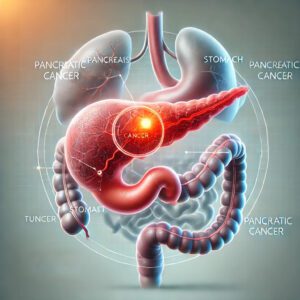
Pancreatic cancer begins in the tissues of the pancreas, an organ located behind the stomach that plays a key role in digestion and blood sugar regulation. The pancreas has two main functions:
  • Exocrine function: Producing enzymes to help digest food.
  • Endocrine function: Producing insulin and other hormones that regulate blood sugar.
Most pancreatic cancers (about 90%) are pancreatic ductal adenocarcinomas (PDAC), which arise in the exocrine cells of the pancreas. Less common types include neuroendocrine tumors (NETs), which develop in hormone-producing cells.

Why is Pancreatic Cancer Called a "Silent Disease"?

Pancreatic cancer is known as a "silent disease" because: ✅ It develops slowly and without noticeable symptoms in its early stages. ✅ The pancreas is deep inside the abdomen, making tumors difficult to detect during routine check-ups. ✅ Symptoms, when they appear, often resemble other digestive issues, leading to delayed diagnosis.

Symptoms of Pancreatic Cancer

In its early stages, pancreatic cancer rarely causes symptoms. However, as the tumor grows, patients may experience:

Early Symptoms (Often Overlooked):

🔹 Unexplained weight loss – A sudden, significant drop in weight without changes in diet or exercise. 🔹 Loss of appetite – Persistent nausea or lack of hunger. 🔹 Abdominal pain or discomfort – Pain in the upper abdomen or back, often worsening after eating. 🔹 Fatigue and weakness – Feeling constantly tired or drained.

Advanced Symptoms:

🔹 Jaundice (Yellowing of Skin & Eyes) – A sign of bile duct blockage due to tumor growth. 🔹 Dark urine and pale stools – Caused by poor bile flow from the pancreas. 🔹 New-onset diabetes – Sudden development of diabetes, especially without obesity or family history. 🔹 Digestive problems – Bloating, gas, diarrhea, and greasy stools due to improper digestion. If you experience persistent symptoms, consult a gastroenterologist or specialist immediately for further evaluation.

Risk Factors for Pancreatic Cancer

Several factors increase the risk of developing pancreatic cancer:

Non-Modifiable Risk Factors (Cannot be Changed):

🔹 Age – Most cases occur in people above 60 years old. 🔹 Family history – Having a close relative with pancreatic cancer increases risk. 🔹 Genetic mutations – BRCA1, BRCA2, and Lynch syndrome genes are linked to pancreatic cancer.

Modifiable Risk Factors (Can be Controlled):

🔹 SmokingDoubles the risk of developing pancreatic cancer. 🔹 Obesity – Being overweight is linked to higher insulin levels, which may promote tumor growth. 🔹 Chronic pancreatitis – Long-term inflammation of the pancreas increases cancer risk. 🔹 Diabetes – Type 2 diabetes is associated with a higher risk of pancreatic cancer. 🔹 Heavy alcohol consumption – Excessive drinking may lead to chronic pancreatitis, a known risk factor.

Preventive Measures:

Quit smoking – Reduces risk significantly. ✅ Maintain a healthy diet – Eat fruits, vegetables, whole grains, and lean proteins while avoiding processed foods. ✅ Exercise regularly – Helps regulate blood sugar and reduces obesity-related risks. ✅ Limit alcohol consumption – Protects against pancreatitis and other digestive disorders.

How is Pancreatic Cancer Diagnosed?

Because early symptoms are vague, pancreatic cancer is often detected in later stages. Doctors use various tests to confirm the diagnosis:

1. Imaging Tests:

🔹 CT Scan & MRI – Provides detailed images of the pancreas and surrounding tissues. 🔹 Endoscopic Ultrasound (EUS) – A small camera inserted through the mouth to examine the pancreas. 🔹 PET Scan – Identifies cancerous cells throughout the body.

2. Blood Tests:

🔹 CA 19-9 Test – A tumor marker test used to monitor treatment response but not for early detection.

3. Biopsy:

🔹 A sample of pancreatic tissue is taken and analyzed under a microscope to confirm cancer.

Treatment Options for Pancreatic Cancer

Treatment depends on the stage of cancer, overall health, and tumor location.

1. Surgery (For Early-Stage Cancer):

  • Whipple Procedure (Pancreaticoduodenectomy): Removes part of the pancreas, bile duct, and small intestine.
  • Distal Pancreatectomy: Removes the tail and part of the body of the pancreas.
  • Total Pancreatectomy: Removes the entire pancreas (rarely performed).

2. Chemotherapy:

Used to shrink tumors before surgery or slow the cancer’s progression in advanced stages.

3. Radiation Therapy:

High-energy beams target and destroy cancer cells. Often used with chemotherapy.

4. Immunotherapy & Targeted Therapy (For Advanced Cases):

New treatments that boost the immune system or specifically target cancerous cells.

5. Palliative Care (For Late-Stage Cancer):

Focuses on pain management, improving quality of life, and symptom control in advanced cases.

Survival Rate & Outlook

Pancreatic cancer has a low survival rate, but early detection improves outcomes.
  • Localized cancer (early stage): 5-year survival rate is ~44%.
  • Regionally spread cancer: Survival rate drops to ~15%.
  • Metastatic cancer (advanced stage): Survival rate is ~3%.
Early detection and advancements in treatment are key to improving survival rates.

Conclusion: Raising Awareness & Seeking Timely Medical Help

Pancreatic cancer is a serious but often overlooked disease due to its silent symptoms and late detection. Regular health check-ups, awareness of symptoms, and a healthy lifestyle can help reduce the risk and improve early diagnosis. If you or someone you know experiences persistent digestive issues, unexplained weight loss, or jaundice, consult a gastroenterologist immediately. Early intervention can save lives. 🔹 Have questions about pancreatic health? Contact Dr.Gastro.in for expert consultation and guidance.
Read more...
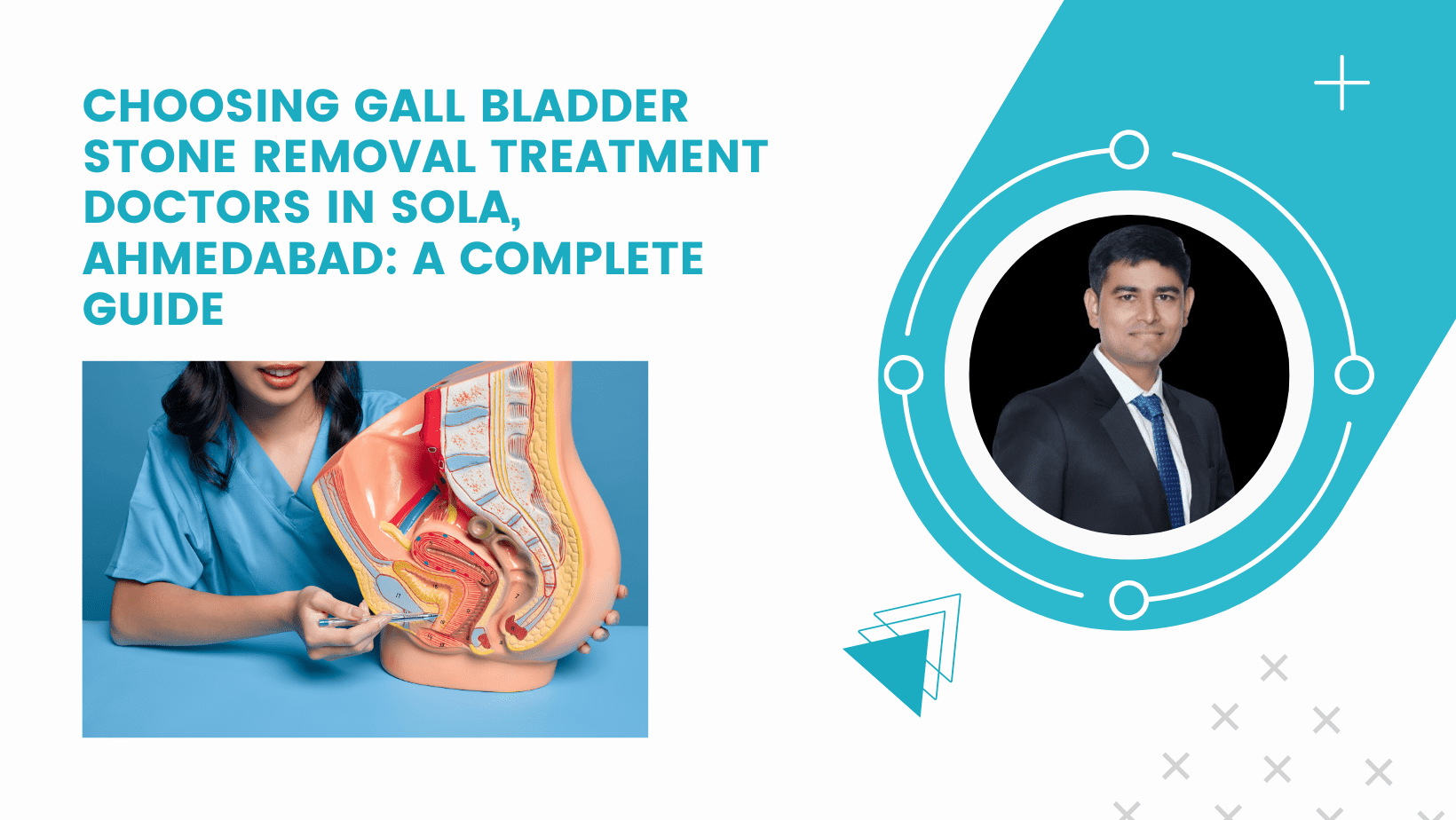
Gall Bladder Stone Removal Treatment Doctors in Sola

Choosing Gall Bladder Stone Removal Treatment Doctors in Sola, Ahmedabad: A Complete Guide

Gall bladder stones can cause significant discomfort and, in some cases, lead to severe health complications. If you're in Sola, Ahmedabad, and seeking expert care for gall bladder stone removal, you're in the right place. This guide will help you choose the best treatment options and doctors to ensure a smooth and effective recovery.

Why Gall Bladder Stone Removal Is Essential

Gall bladder stones, also known as cholelithiasis, are hardened deposits of digestive fluid that can block the flow of bile. This blockage may lead to pain, nausea, infection, or even inflammation of the gall bladder. Timely removal of these stones is crucial to avoid complications such as:
  • Severe abdominal pain (biliary colic)
  • Cholecystitis (inflammation of the gall bladder)
  • Jaundice
  • Pancreatitis
Choosing the right doctor ensures effective treatment and minimizes risks during and after the procedure. Gall Bladder Stone Removal Treatment

Factors to Consider When Choosing a Doctor

Here are the key aspects to consider when selecting a gall bladder stone removal treatment doctor in Sola, Ahmedabad:

1. Expertise and Qualifications

Look for doctors who are board-certified in gastroenterology or general surgery with specialized training in gall bladder stone removal procedures. Their expertise should include minimally invasive techniques such as laparoscopic surgery.

2. Experience

Experience matters when it comes to surgery. Check how many gall bladder stone removal procedures the doctor has performed successfully. Experienced doctors are better equipped to handle complex cases.

3. Reputation and Reviews

Online reviews and patient testimonials are valuable resources. Visit platforms like Google Reviews, Practo, or healthcare-specific forums to learn about the experiences of other patients.

4. Hospital or Clinic Facilities

Ensure the doctor practices at a hospital or clinic with state-of-the-art facilities, such as advanced diagnostic equipment, well-equipped operation theaters, and a supportive post-surgical care team.

5. Approach to Patient Care

A good doctor will take the time to explain the procedure, answer your questions, and make you feel comfortable. Personalized care and attention to detail are essential.

6. Affordability and Insurance Coverage

Compare treatment costs and check if the doctor accepts your health insurance. Affordability shouldn’t compromise the quality of care.

Top Gall Bladder Stone Removal Techniques

When consulting a doctor, inquire about the techniques they use for gall bladder stone removal. The most common procedures include:
  1. Laparoscopic Cholecystectomy
    • A minimally invasive surgery with small incisions and quick recovery time.
  2. Open Cholecystectomy
    • A traditional approach used in more complex cases.
  3. Non-Surgical Options (in limited cases)
    • Oral bile acid pills to dissolve smaller stones (used sparingly).

Why Choose DrGastro.in for Gall Bladder Stone Treatment in Sola, Ahmedabad

At DrGastro.in, we understand the physical and emotional challenges associated with gall bladder conditions. Our team of highly skilled doctors offers:
  • Comprehensive Diagnosis: Advanced imaging techniques for accurate detection.
  • Experienced Specialists: Board-certified surgeons with years of expertise.
  • Minimally Invasive Surgery: Faster recovery and minimal scarring.
  • Patient-Centric Care: Personalized consultations and post-surgical support.
  • Affordable Treatment Options: Transparent pricing and insurance assistance.

Steps to Book an Appointment

Taking the first step towards recovery is simple:
  1. Visit DrGastro.in.
  2. Navigate to the appointment section.
  3. Fill out the contact form or call our helpline.
  4. Our team will guide you through the process and schedule your consultation.

Conclusion

Choosing the right gall bladder stone removal treatment doctor in Sola, Ahmedabad, is essential for effective and safe recovery. By considering factors like expertise, experience, and patient reviews, you can make an informed decision. At DrGastro.in, we’re committed to providing exceptional care and ensuring your health is our priority. Take the first step toward a pain-free life today!
Read more...

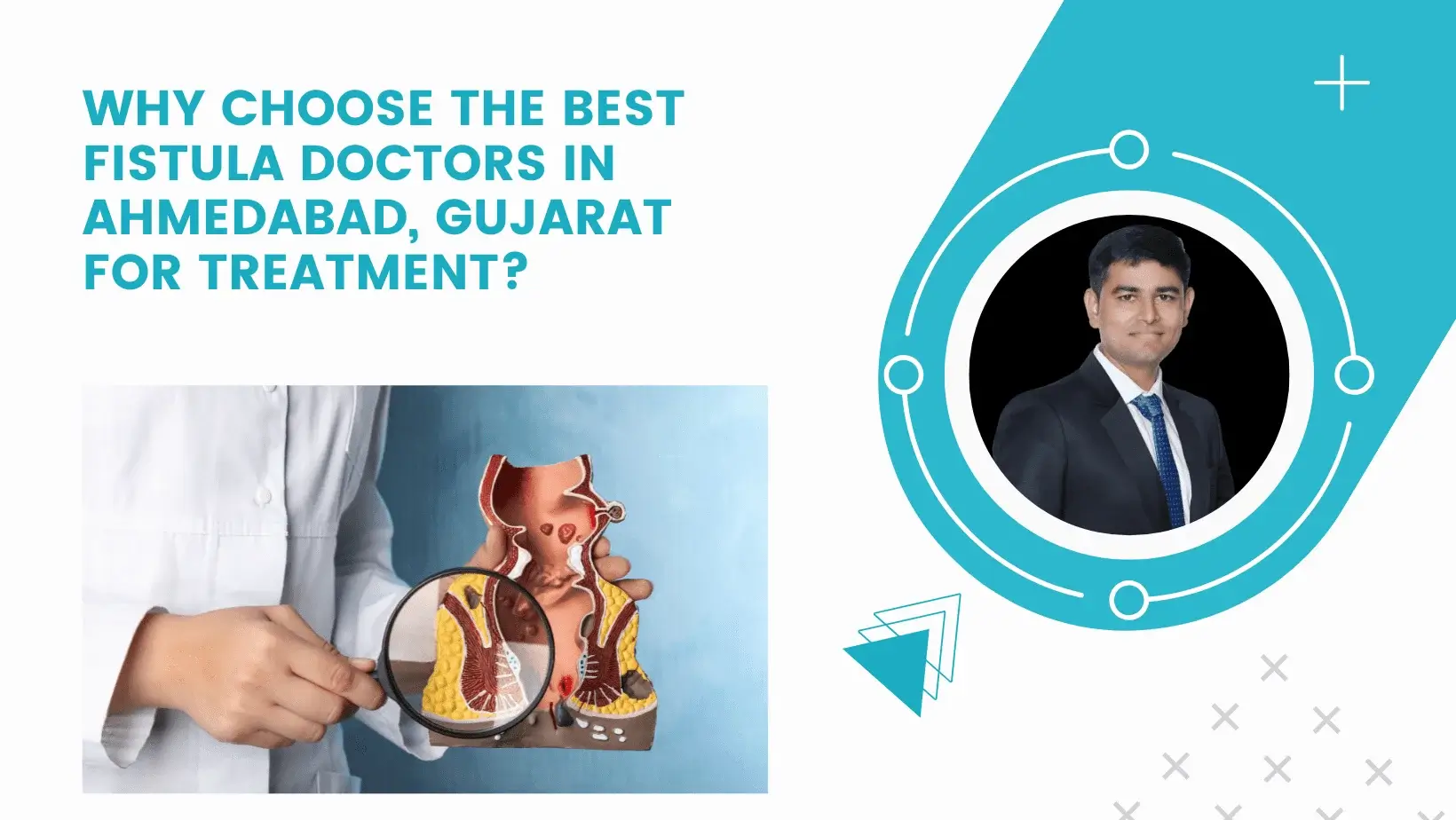
Why Choose the Best Fistula Doctors in Ahmedabad, Gujarat for Treatment?

When it comes to managing anal fistula, seeking out the best fistula doctors in Ahmedabad, Gujarat, is essential for effective and long-term recovery. This condition requires specialized expertise and advanced treatment techniques, making the choice of a doctor a critical step in the healing process.

Expertise of the Best Fistula Doctors in Ahmedabad, Gujarat

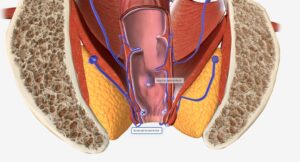
Ahmedabad is home to some of the most renowned medical professionals who specialize in treating fistulas. These experts bring years of experience and utilize the latest medical advancements to provide top-tier care. Among these specialists, Dr. Hamikchandra Patel at Shaleen Multispeciality Hospital stands out for his dedication to patient care and proficiency in minimally invasive procedures. Choosing a specialist with such expertise ensures you receive accurate diagnosis and tailored treatment. best fistula doctors

Benefits of Seeking Treatment in Ahmedabad, Gujarat

Opting for the best fistula doctors in Ahmedabad, Gujarat, offers several advantages:
  1. Cutting-Edge Technology
    • Clinics and hospitals in Ahmedabad are equipped with advanced technology like laser surgery and VAAFT (Video-Assisted Anal Fistula Treatment), which reduce recovery time and discomfort.
    • Specialists like Dr. Hamikchandra Patel are skilled in utilizing these techniques to achieve excellent outcomes.
  2. Comprehensive Patient Care
    • From initial consultation to post-treatment follow-up, doctors in Ahmedabad focus on a holistic approach to care.
    • The emphasis on patient education and support ensures a smoother recovery process.
  3. Affordable High-Quality Care
    • Compared to other cities, Ahmedabad offers world-class medical services at more affordable costs, making it a preferred destination for fistula treatment.

Why Ahmedabad is a Hub for Fistula Treatment

Ahmedabad’s medical community is recognized for its commitment to excellence. Specialists like Dr. Hamikchandra Patel combine technical expertise with compassionate care, ensuring that patients receive the best possible treatment. The city’s advanced medical infrastructure and supportive healthcare ecosystem make it an ideal place for addressing complex conditions like fistula. best fistula doctors

Tips for Choosing the Best Fistula Doctors in Ahmedabad, Gujarat

  1. Verify Credentials
    • Look for doctors with extensive experience and specialized training in fistula treatment.
  2. Patient Reviews
    • Reviews and testimonials can provide insights into the quality of care and patient satisfaction levels.
  3. Facility Standards
    • Choose a clinic or hospital equipped with modern technology and a skilled support team.
  4. Treatment Options
    • Discuss available procedures with your doctor to determine the best course of action.

Conclusion

Finding the right specialist is crucial for effective fistula treatment. By choosing the best fistula doctors in Ahmedabad, Gujarat, patients benefit from advanced techniques, personalized care, and high success rates. Renowned experts like Dr. Hamikchandra Patel lead the way in providing top-notch medical services, ensuring that patients can regain their health and quality of life. For more information or to schedule a consultation, visit the official website of Dr. Gastro.
Read more...

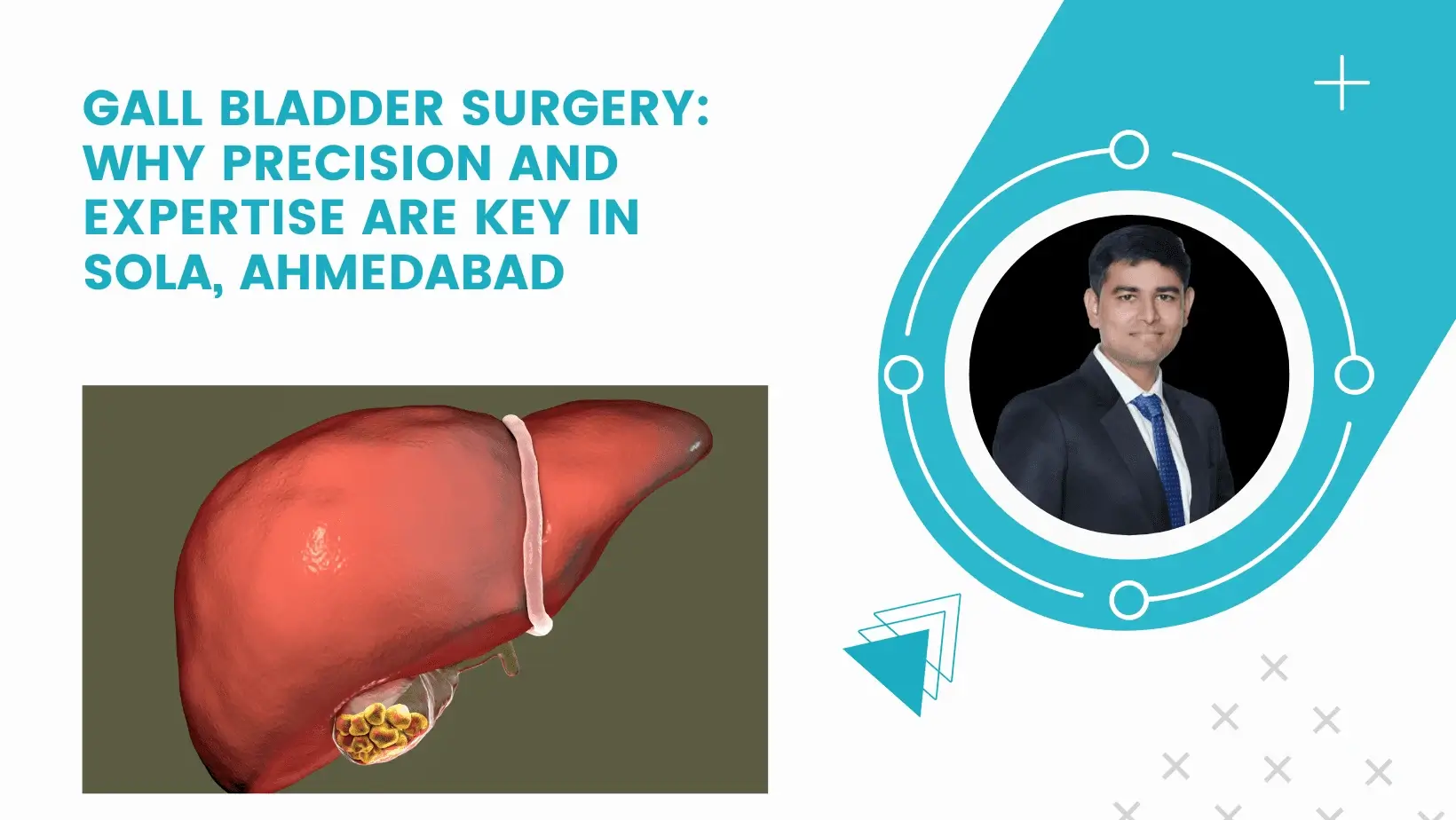
Gall Bladder Surgery: Why Precision and Expertise Are Key in Sola, Ahmedabad

Gall bladder surgery is a delicate procedure that requires the highest levels of precision and expertise. Whether it’s a gallstone removal or gall bladder removal (cholecystectomy), choosing the best gall bladder surgeon in Sola, Ahmedabad is crucial for ensuring a safe and successful outcome. In this blog, we’ll explore the importance of gall bladder surgery, how to find the right surgeon, and why expertise makes all the difference.

Understanding Gall Bladder Conditions

The gall bladder is a small organ located under the liver that stores bile, a substance that helps digest fats. While it plays a vital role in digestion, it can develop issues such as:
  1. Gallstones: Hardened deposits of bile that can block bile flow.
  2. Cholecystitis: Inflammation of the gall bladder, often caused by gallstones.
  3. Biliary Dyskinesia: Impaired movement of bile due to a malfunctioning gall bladder.
  4. Polyps or Tumors: Growths that may require removal.
When these conditions become severe, surgery is often recommended to alleviate symptoms and prevent further complications. best gall bladder surgeon in ahmedabad

Types of Gall Bladder Surgeries

1. Laparoscopic Cholecystectomy

  • A minimally invasive procedure where small incisions are made to remove the gall bladder.
  • Offers faster recovery, minimal scarring, and reduced post-operative pain.

2. Open Cholecystectomy

  • A traditional surgery involving a larger incision.
  • Recommended for more complex cases or when complications arise.
Choosing the best gall bladder surgeon in Sola, Ahmedabad ensures the appropriate procedure is performed with the latest techniques and technology.

Why Precision and Expertise Matter in GallBladder Surgery

Gall bladder surgery is a complex procedure that involves working near vital organs, including the liver and intestines. Precision and expertise are key to:
  1. Minimizing Risks: Accurate diagnosis and meticulous surgical techniques reduce complications.
  2. Ensuring Quick Recovery: An experienced surgeon uses advanced methods that promote faster healing.
  3. Reducing Post-Surgical Pain: Proper execution of the procedure helps minimize discomfort.
  4. Preventing Recurrence: Expertise in handling underlying causes ensures long-term results.

How to Find the Best Gall Bladder Surgeon in Sola, Ahmedabad

Finding a skilled surgeon is essential for successful gallbladder surgery. Here’s how to identify the right expert:

1. Check Qualifications and Certifications

  • Look for surgeons with specialized training in laparoscopic and open gall bladder surgeries.
  • Verify credentials through medical boards or hospital affiliations.

2. Consider Experience

  • The more procedures a surgeon has performed, the better their expertise.
  • Check for surgeons with a track record in handling complex gallbladder cases.

3. Look for Patient Testimonials

  • Online reviews and word-of-mouth recommendations offer insights into patient satisfaction and success rates.

4. Evaluate the Facilities

  • Choose a hospital or clinic with advanced equipment and a reputation for high-quality care.

5. Schedule a Consultation

  • Discuss your condition and treatment options to assess the surgeon’s approach and communication skills.

Meet Dr. Hamikchandra Patel: The Best Gall Bladder Surgeon in Sola, Ahmedabad

When it comes to gall bladder surgery, Dr. Hamikchandra Patel is a name you can trust. Based in Sola, Ahmedabad, Dr. Patel combines years of experience with advanced techniques to provide top-notch care. His patient-centered approach ensures personalized treatment plans for every individual. Dr. Patel’s expertise in both laparoscopic and open gall bladder surgeries makes him a leading choice for patients in Ahmedabad. Visit drgastro.in to learn more or book a consultation. Best gall bladder surgery in ahmedabad

Benefits of Timely GallBladder Surgery

Delaying treatment can lead to serious complications, such as infections or damage to nearby organs. Opting for surgery promptly offers several advantages:
  • Relief from Pain: Eliminate the discomfort caused by gallstones or inflammation.
  • Improved Digestive Function: Restore bile flow and enhance digestion.
  • Preventing Severe Complications: Avoid life-threatening conditions like gall bladder rupture or abscess formation.
  • Enhanced Quality of Life: Return to normal activities without persistent symptoms.

Final Thoughts

Choosing the best gall bladder surgeon in Sola, Ahmedabad is vital for successful treatment and recovery. With a focus on precision, expertise, and patient care, you can trust experienced surgeons like Dr. Hamikchandra Patel to provide the best possible outcome. Don’t wait to address your gallbladder issues—consult with a trusted expert today.
Read more...