Fatty Liver and Diabetes: The Silent Connection You Need to Know in 2026

In the medical landscape of 2026, we are witnessing a significant shift in how we understand metabolic health. For years, Diabetes and Fatty Liver disease were treated as two separate entities. However, as the best gastro doctor Ahmedabad will tell you, they are actually two sides of the same coin. At Dr. Gastro, we are seeing an unprecedented rise in patients who are diagnosed with both Type 2 Diabetes and what is now formally known as MASLD (Metabolic Dysfunction-Associated Steatotic Liver Disease)—commonly called Fatty Liver. This "silent connection" is one of the most critical health challenges facing the people of Gujarat today. Understanding this link is not just about medical knowledge; it is about preventing long-term complications that could eventually require intervention from a gastro surgeon Ahmedabad.  
  1. What is the Silent Connection?

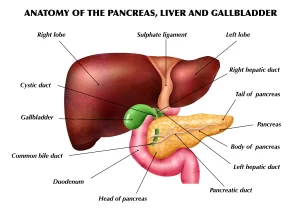
The liver and the pancreas (which produces insulin) work in a tight feedback loop to manage your body’s energy. When you consume more calories—specifically sugar and refined carbs—than your body can burn, the excess is stored as fat. When fat begins to accumulate in the liver, it triggers Insulin Resistance. This is the bridge between the two conditions:
  • The Liver's Role: A fatty liver becomes "deaf" to insulin signals. Instead of storing glucose, it keeps pumping sugar into the bloodstream.
  • The Pancreas's Role: To compensate, the pancreas pumps out even more insulin. Eventually, the pancreas wears out, and blood sugar levels skyrocket, leading to Type 2 Diabetes.
If you have been diagnosed with Diabetes, there is a 70% chance you also have Fatty Liver. Conversely, if you have Fatty Liver, your risk of developing Diabetes in the next five years is significantly higher.
  1. Why is it "Silent"?

The most dangerous aspect of this connection is that both Fatty Liver and early-stage Diabetes often have zero symptoms. You cannot feel your liver getting fatter, and you often cannot feel your blood sugar rising until it is quite high. By the time a patient feels pain in the upper right abdomen or extreme fatigue, the liver may have already progressed to NASH (Non-Alcoholic Steatohepatitis), where inflammation and scarring (fibrosis) begin. At this stage, the risk of liver cirrhosis or the need for a gastroenterologist in Ahmedabad to manage liver failure becomes a reality.
  1. The Gallbladder Connection

Diabetes and Fatty Liver don't just affect the liver cells; they change the very chemistry of your digestive fluids. Diabetic patients with fatty liver are at a much higher risk for developing gallstones. High insulin levels tell the liver to excrete more cholesterol into the bile. When bile is oversaturated with cholesterol, it hardens into stones. This is why many of our metabolic patients eventually require a gallbladder surgeon Ahmedabad. If stones cause a blockage or infection, gallstone surgery Ahmedabad becomes necessary. Fortunately, our team specializes in laparoscopic gallbladder surgery Ahmedabad, ensuring that even patients with metabolic complexities have a safe and quick recovery.
  1. The Impact on Anorectal Health

It may seem unrelated, but metabolic health affects the entire digestive tract, including the rectum. Diabetes can cause nerve damage (neuropathy) that leads to chronic constipation. Constant straining durihttps://globelectra.com/category/seo/ ng bowel movements is the primary cause of hemorrhoids and fissures. If you are managing Diabetes and start noticing rectal pain or bleeding, it is important to see a fissure doctor Ahmedabad or seek piles and fissure treatment Ahmedabad. Ignoring these symptoms can lead to complex infections that might require a fistula surgeon in Ahmedabad for specialized fistula treatment Ahmedabad or anal fissure treatment in Ahmedabad.
  1. Reversing the Cycle: Strategies for 2026

The good news is that the liver is a remarkably resilient organ. Unlike many other organs, it has the power to regenerate and heal if the right steps are taken early.
  1. The "Screen-First" Approach
If you are overweight or diabetic, do not wait for pain. Ask your gastroenterologist in Ahmedabad for a FibroScan. This non-invasive test measures the amount of fat and scarring in your liver, providing a much clearer picture than a simple blood test.
  1. Nutritional Intervention
Focus on a "Low-GI" (Glycemic Index) diet. In Ahmedabad, this means swapping refined white rice and sugary snacks for high-fiber alternatives like whole grains, sprouts, and green leafy vegetables. Reducing sugar is the fastest way to "de-fat" the liver.
  1. Weight Management
Losing just 7% to 10% of your body weight can completely reverse early-stage fatty liver and significantly improve insulin sensitivity, making your Diabetes much easier to manage.
  1. Conclusion: A Holistic View of Your Health
In 2026, we cannot treat the liver and blood sugar as separate problems. They are part of one metabolic system. By protecting your liver, you are protecting your pancreas—and vice versa. At Dr. Gastro, we provide integrated care that looks at the whole person. Whether you need a diagnostic FibroScan from the best gastro doctor Ahmedabad, or you require surgical intervention from a gastro surgeon Ahmedabad, we are here to help you navigate these silent threats. Don't wait for the symptoms to speak up. Take a proactive step toward your health today.
Read more...

Stomach Flu vs. Food Poisoning: A Guide to Safe Eating During Summer Festivals

Summer in Ahmedabad is a season of celebration. From evening food markets at Manek Chowk to local summer festivals, the city’s culinary spirit is on full display. However, the rising mercury also brings a significant hidden risk: a surge in gastrointestinal infections. Two of the most common culprits are Stomach Flu and Food Poisoning. While they share similar symptoms—nausea, vomiting, and diarrhea—their causes and treatments differ. Understanding these differences is crucial for your recovery and long-term gut health. At Dr. Gastro, led by the best gastro doctor Ahmedabad, we specialize in diagnosing these conditions and preventing the long-term complications they can cause.

Defining the Culprits: Virus vs. Bacteria

To the average person, a "stomach ache" is just a stomach ache. But to a gastroenterologist in Ahmedabad, the distinction between a viral and a bacterial infection determines the entire course of treatment.

What is Stomach Flu?

Despite the name, "Stomach Flu" (Viral Gastroenteritis) has nothing to do with the respiratory flu. It is caused by viruses like Norovirus or Rotavirus.
  • Transmission: It is highly contagious and spreads through close contact with an infected person or by touching contaminated surfaces.
  • Onset: Symptoms usually develop 24 to 48 hours after exposure.

What is Food Poisoning?

Food poisoning is caused by eating food contaminated with bacteria (like Salmonella, E. coli, or Listeria), parasites, or toxins. In the Ahmedabad heat, food spoils rapidly if not refrigerated properly.
  • Transmission: Consuming undercooked meat, unwashed raw vegetables, or dairy products that have sat out in the heat.
  • Onset: Symptoms can appear as quickly as 2 to 6 hours after eating the contaminated meal.

    Symptom Checklist: Which One Do You Have?

Distinguishing between the two can be tricky, but a gastro surgeon Ahmedabad typically looks for these specific markers:
Feature Stomach Flu (Viral) Food Poisoning (Bacterial)
Onset Gradual (1–2 days after exposure) Rapid (Hours after eating)
Fever Usually low-grade Can be very high (above 101°F)
Duration 1 to 3 days Can last up to 10 days
Body Aches Very common Less common, but possible
Bloody Stool Rare Common with certain bacteria
If you notice blood in your stool or experience extreme abdominal cramping, it is vital to consult a specialist. Persistent diarrhea and straining can lead to secondary issues like hemorrhoids or fissures, requiring the expertise of a fissure doctor Ahmedabad.

The Hidden Connection: Infection and Anorectal Health

One of the most overlooked consequences of frequent stomach infections is the strain they put on the lower digestive tract. Violent bouts of diarrhea and the subsequent dehydration lead to a cycle of irritation and constipation. Chronic straining and frequent bowel movements are the leading causes of:
  • Anal Fissures: Small tears in the lining of the anus. If you experience sharp pain during or after bowel movements, you may need anal fissure treatment in Ahmedabad.
  • Fistulas: In some cases, an infection in an anal gland can lead to an abscess, which then forms a fistula. This requires the attention of a fistula surgeon in Ahmedabad for effective fistula treatment Ahmedabad.
At Dr. Gastro, we offer comprehensive piles and fissure treatment Ahmedabad, ensuring that a simple case of food poisoning doesn't turn into a chronic surgical problem.

Summer Festival Safety: How to Eat Out Safely

You don't have to skip the festivals, but you do need to be "Gut Smart." Follow these tips from the best gastro doctor Ahmedabad: Watch the "Cold" Foods In summer, we crave ice-cold juices and salads. However, if the water used for ice is contaminated, or if the vegetables weren't washed in filtered water, you are at high risk for Stomach Flu. Always choose bottled water and avoid raw salads at street stalls. The "Hot and Fresh" Rule Bacteria thrive in lukewarm temperatures (the "Danger Zone" between 5°C and 60°C). If food has been sitting out on a buffet or a street counter, avoid it. Only eat food that is cooked fresh and served steaming hot. Dairy and Mayonnaise Mayonnaise and cream-based sauces spoil incredibly fast in the Ahmedabad heat. Avoid "eggless mayo" sandwiches or cream-filled desserts at outdoor stalls during peak summer months.  

When to See a Gastroenterologist in Ahmedabad

Most mild cases of stomach flu or food poisoning resolve with rest and hydration. However, you should seek immediate help from a gastro surgeon Ahmedabad or a clinical specialist if you experience:
  1. Signs of Severe Dehydration: Dry mouth, extreme thirst, and no urination for more than 8 hours.
  2. Inability to Keep Liquids Down: If you are vomiting everything you drink, you may need IV fluids.
  3. High Fever and Chills: This often indicates a bacterial infection that may require antibiotics.
  4. Severe Abdominal Pain: This could indicate complications like appendicitis or gallbladder issues. In such cases, you may need to consult a gallbladder surgeon Ahmedabad for an ultrasound to rule out the need for gallstone surgery Ahmedabad.
  5. Rectal Bleeding: Never ignore blood. Whether it’s from a fissure or an internal infection, get it checked by the best gastro doctor Ahmedabad.
  1. Treatment and Recovery: Protecting Your Gut
Hydration is Key Don't just drink plain water. Use Oral Rehydration Salts (ORS) to replenish lost sodium and potassium. Avoid sugary sodas, which can actually make diarrhea worse. The BRAT Diet Once you can keep food down, stick to Bananas, Rice, Applesauce, and Toast. These are easy on the stomach and help firm up stools. Probiotics After an infection, your "good" gut bacteria are depleted. Taking a high-quality probiotic can help restore balance and prevent future infections.

Conclusion: Enjoy the Summer, Respect Your Gut

Ahmedabad’s summer festivals are a time for joy, but a single contaminated meal can lead to weeks of discomfort. By understanding the difference between Stomach Flu and Food Poisoning, you can take the right steps toward recovery. Whether you are dealing with a temporary infection or require specialized care such as laparoscopic gallbladder surgery Ahmedabad or fistula treatment Ahmedabad, Dr. Gastro is your trusted partner in digestive health. Don't let a stomach ache become a chronic problem. Visit drgastro.in today to consult with the leading gastroenterologist in Ahmedabad and ensure your gut stays as vibrant as the city itself.
Read more...

Painless Endoscopy: What to Expect and Why You Shouldn’t Delay the Procedure

When a doctor mentions the word "Endoscopy," the immediate reaction for many patients in Gujarat is often anxiety. Traditional stories of discomfort, gagging, and "swallowing a tube" have created a stigma that leads many to postpone this life-saving diagnostic tool. However, in 2026, medical technology has evolved significantly. At Dr. Gastro, we prioritize patient comfort through Painless Endoscopy. As the best gastro doctor Ahmedabad has to offer, we believe that fear should never be a barrier to health. In this guide, we’ll walk you through what the procedure entails, why it is now painless, and why waiting can be a dangerous gamble for your digestive health.

Best endoscopy treatment in ahmedabad

     What Exactly is an Endoscopy?

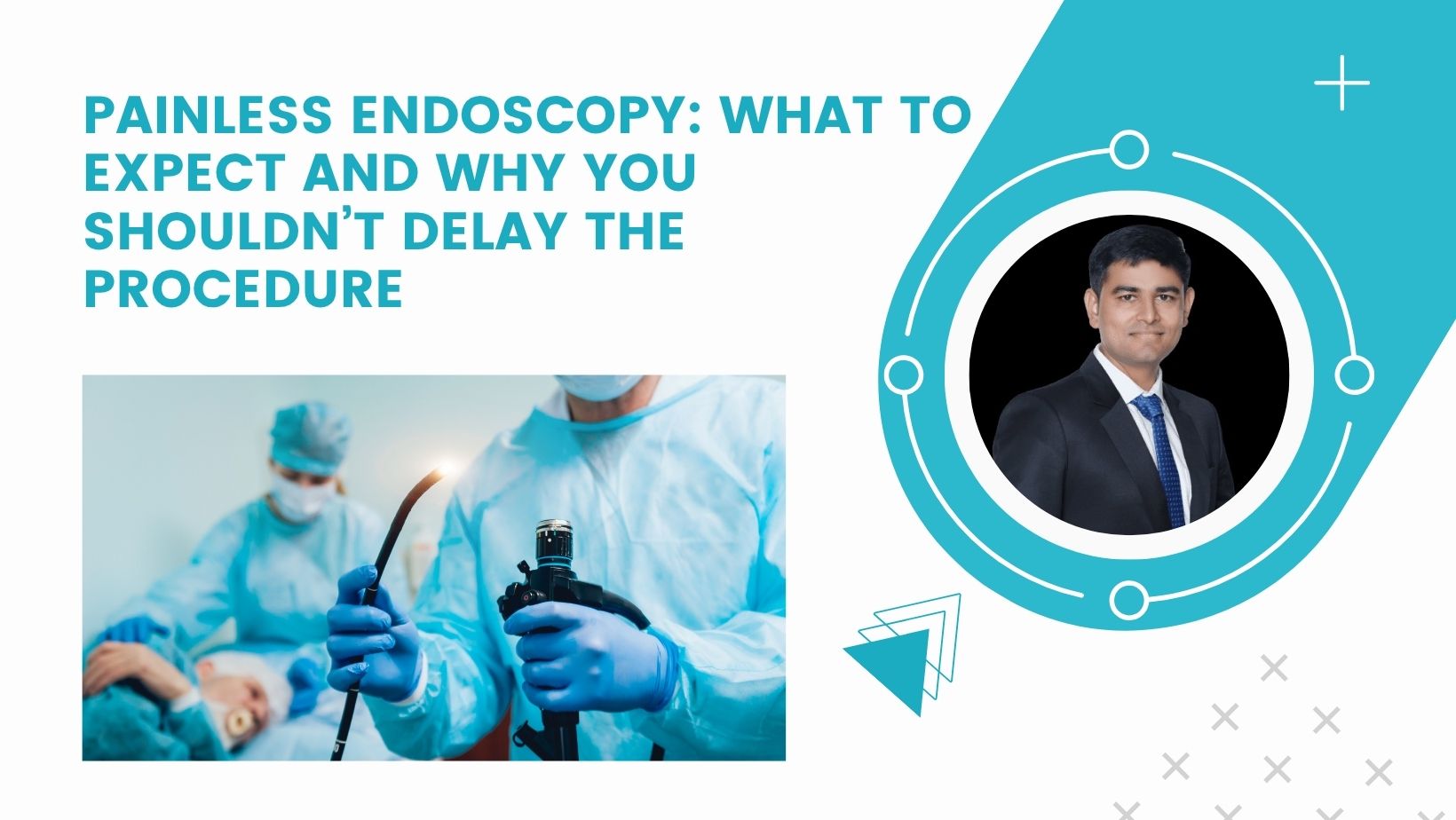
An endoscopy is a procedure where a thin, flexible tube with a high-definition camera and light source (an endoscope) is used to look inside your digestive tract. This allows a gastroenterologist in Ahmedabad to see the lining of your esophagus, stomach, and the first part of your small intestine (duodenum) in vivid detail. Unlike an X-ray or CT scan, an endoscopy allows for real-time visualization. It also enables the doctor to perform minor interventions, such as:
  • Taking a biopsy (a small tissue sample) to check for infections or cancer.
  • Removing polyps (small growths).
  • Stopping internal bleeding from ulcers.

    The "Painless" Revolution: How It Works

The term "Painless Endoscopy" refers to the use of conscious sedation. This is the gold standard used by any top-tier gastro surgeon Ahmedabad today. What happens during sedation?
  • Zero Discomfort: You are given a mild sedative through an IV. While you aren't under "general anesthesia" (which requires a ventilator), you are in a very deep sleep-like state.
  • No Gag Reflex: The sedative suppresses the natural urge to gag, allowing the physician to move the scope smoothly.
  • Amnestic Effect: Most patients wake up feeling refreshed and have no memory of the procedure itself.
By the time you wake up in our recovery room, the diagnostic work is done, and you’ve felt absolutely nothing.

         Why You Shouldn't Delay the Procedure

Delaying an endoscopy is one of the most common mistakes patients make. Often, symptoms that feel like "simple acidity" or "heat-related indigestion" are signs of deeper issues. Identifying Silent Threats Chronic acid reflux can lead to Barrett’s Esophagus, a condition where the lining of the esophagus changes and becomes pre-cancerous. An endoscopy is the only way to catch this early. If you wait until you have difficulty swallowing, the condition may have already progressed. The Connection to Surgical Health Sometimes, upper GI issues are linked to other abdominal problems. For instance, chronic gallbladder inflammation can mimic stomach pain. If an endoscopy rules out stomach issues, your gallbladder surgeon Ahmedabad can then accurately investigate if you require gallstone surgery Ahmedabad. Similarly, many patients ignore rectal discomfort, thinking it’s a minor issue. However, diagnostic checks are vital to determine if symptoms require a specialized fistula surgeon in Ahmedabad or a fissure doctor Ahmedabad. At Dr. Gastro, we offer integrated care, ensuring that from diagnostics to fistula treatment Ahmedabad, you are in expert hands.

         What to Expect: Step-by-Step

Before the Procedure:
  • Fasting: You will need to stop eating and drinking for at least 6 to 8 hours prior to ensure your stomach is empty for a clear view.
  • Consultation: Your gastroenterologist in Ahmedabad will review your medical history and any medications you are taking.
During the Procedure:
  • The sedation is administered.
  • The procedure usually takes only 10 to 15 minutes.
  • The camera captures high-resolution images for immediate review.
After the Procedure:
  • You will rest in a recovery area for about 30 minutes while the sedation wears off.
  • You’ll receive a preliminary report from the best gastro doctor Ahmedabad.
  • Because of the sedative, you will need a friend or family member to drive you home.

    Recognizing the Red Flags

If you experience any of the following symptoms, you should book an appointment with a gastro surgeon Ahmedabad immediately:
  1. Persistent Heartburn: Acid reflux that occurs more than twice a week.
  2. Unexplained Weight Loss: Dropping weight without trying is a major red flag.
  3. Black or Bloody Stools: This indicates internal bleeding that requires immediate visualization.
  4. Difficulty Swallowing: Feeling like food is "stuck" in your chest.
  5. Chronic Nausea: Persistent vomiting or feeling sick after every meal.
In many cases, these symptoms might also be related to lower GI issues. If your discomfort is localized lower in the abdomen or rectum, don't hesitate to seek piles and fissure treatment Ahmedabad or a specialized anal fissure treatment in Ahmedabad.

Conclusion: Peace of Mind is Just 15 Minutes Away

An endoscopy is not something to fear; it is a powerful tool for peace of mind. By opting for a painless procedure at Dr. Gastro, you are choosing a path of prevention and early intervention. Whether you need a diagnostic check, a consultation for laparoscopic gallbladder surgery Ahmedabad, or expert fistula treatment Ahmedabad, our team provides the most advanced and compassionate care in the city. Stop guessing and start knowing. Schedule your consultation at drgastro.in today and take the first step toward a healthier, pain-free life.
Read more...

Beat the Heat: Why Dehydration and Acidity Spike During Ahmedabad’s Summer

Ahmedabad is a city of vibrant culture, incredible street food, and a spirit that never sleeps. However, as the calendar turns toward April and May, the city transforms into a furnace. With temperatures frequently soaring past 45°C, the extreme heat does more than just make us sweat-it creates a perfect storm for digestive distress. At Dr. Gastro, we see a significant increase in patients seeking a gastroenterologist in Ahmedabad during the summer months. The two most common complaints? Severe dehydration and debilitating acidity. While these might seem like minor seasonal inconveniences, they are often the gateway to more serious conditions like gallstones or chronic gastric ulcers. In this comprehensive guide, we will explore why your gut reacts so violently to the Ahmedabad heat and how you can protect yourself.

The Physiological Link Between Heat and Acidity: Insights from the Best Gastro Surgeon in Ahmedabad

When the ambient temperature rises, your body’s primary goal is thermoregulation-keeping your internal temperature stable. To do this, your body redirects blood flow away from internal organs (like your stomach and intestines) toward the skin to facilitate cooling through perspiration. This "blood shunting" process has a direct impact on your digestion:
  • Delayed Gastric Emptying: With less blood flow, the muscles in your stomach slow down. Food sits in your stomach longer than usual, leading to fermentation, gas production, and that "heavy" feeling.
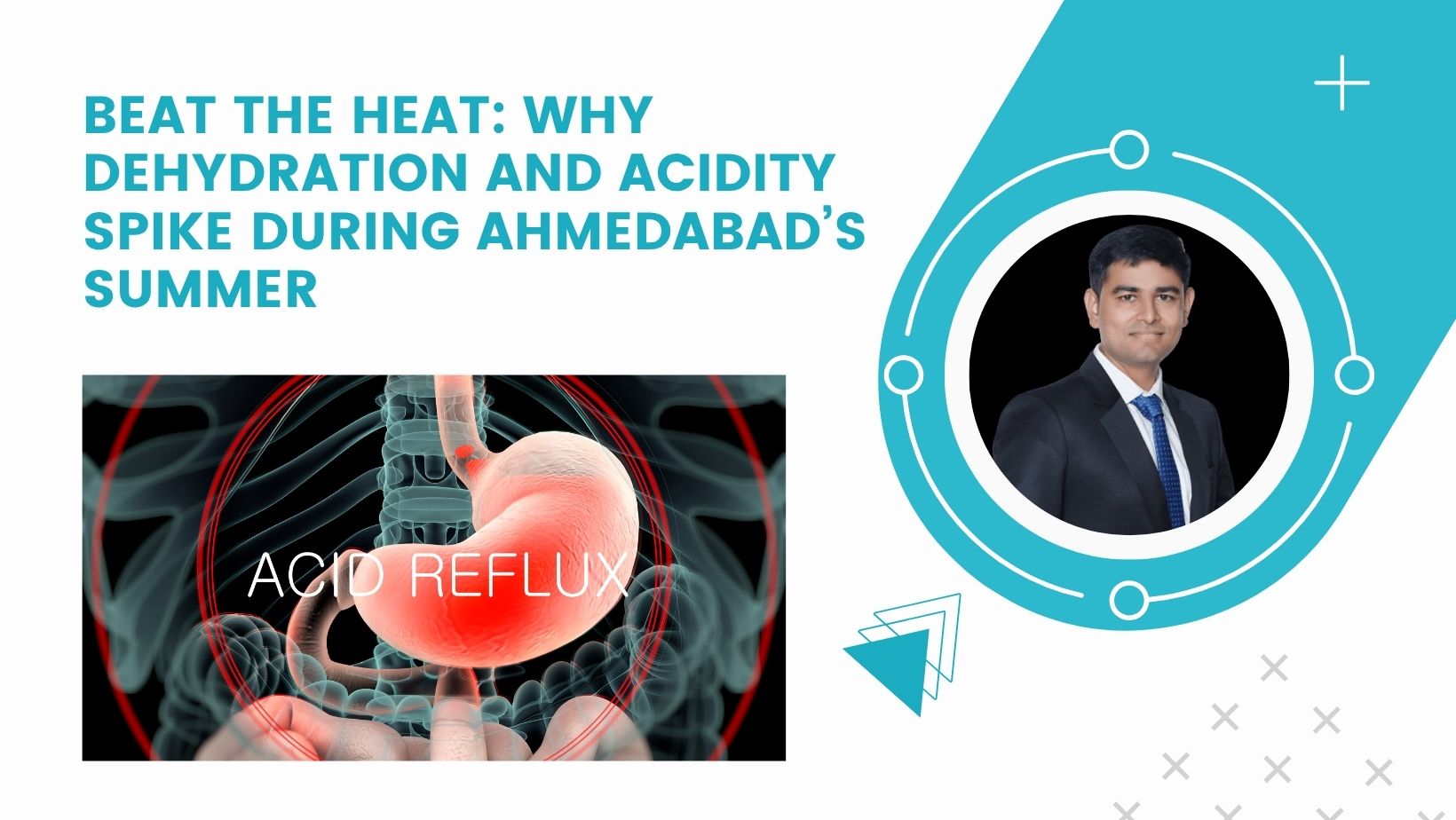
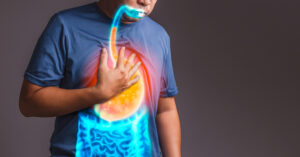
  • Acid Backflow: As food sits and ferments, pressure builds up against the Lower Esophageal Sphincter (LES). This can cause stomach acid to splash back into the esophagus, leading to the burning sensation known as GERD (Gastroesophageal Reflux Disease).
  • Thinning Mucus Lining: Dehydration reduces the stomach's ability to produce the protective mucus layer that shields it from its own acid. This makes you more prone to gastritis and even ulcers.
If you find that your "summer acidity" isn't responding to over-the-counter antacids, it is time to consult the best gastro doctor Ahmedabad to ensure there isn't underlying damage to your esophageal lining.

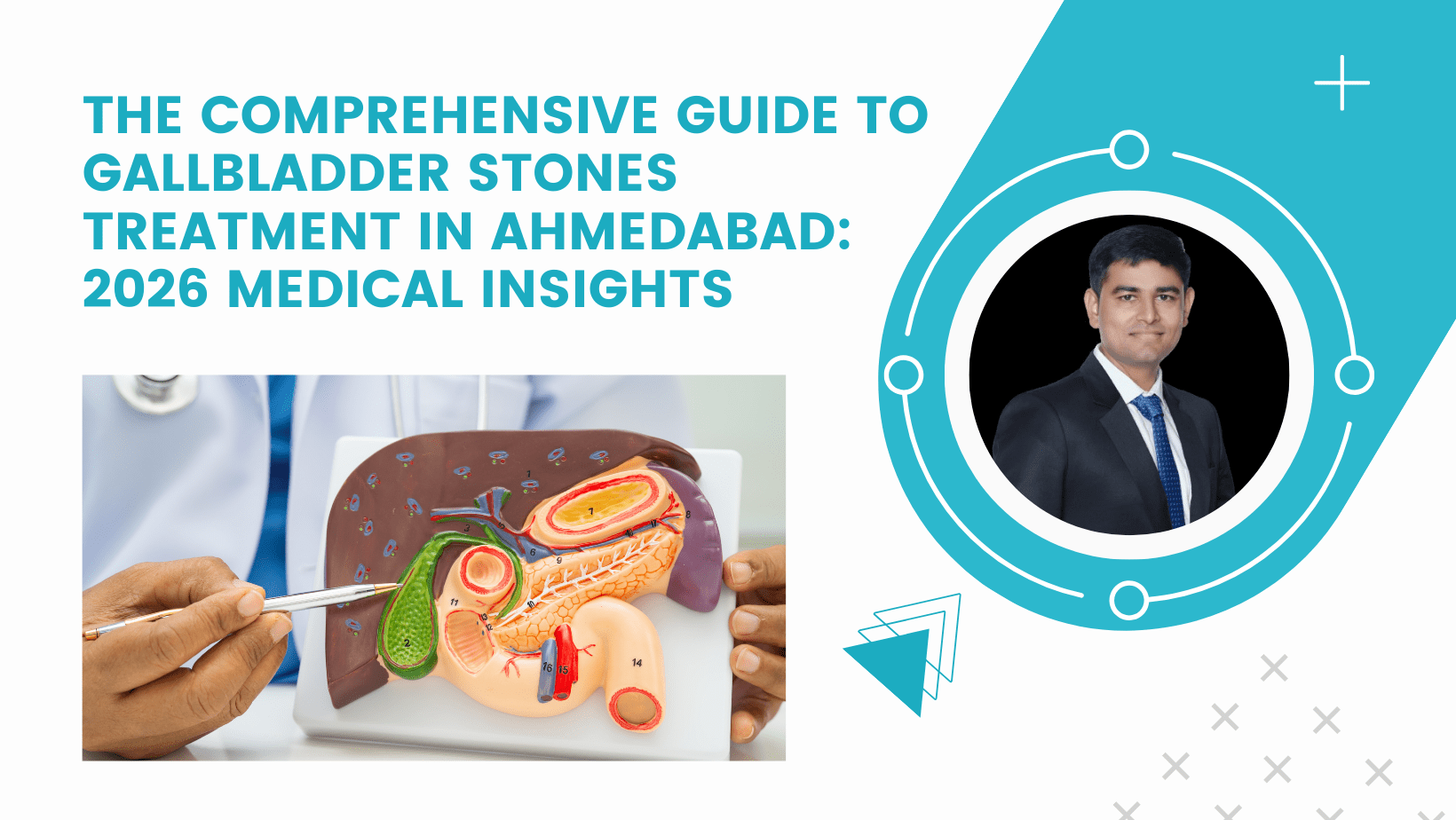
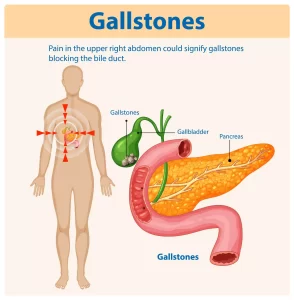
Dehydration: The Silent Trigger for Gallstones Most people associate dehydration with thirst or dizziness, but as a gastro surgeon Ahmedabad, we often see the impact of dehydration on the gallbladder. The gallbladder stores bile, a fluid produced by the liver to help digest fats. Bile is composed of water, cholesterol, bile salts, and bilirubin. When you are chronically dehydrated during a harsh Ahmedabad summer, the water content in your bile decreases. This causes the bile to become "sludge-like" and highly concentrated with cholesterol. Over time, this concentrated sludge crystallizes into painful stones. If you experience sharp, stabbing pain in the upper right part of your abdomen after a heavy meal, you may be dealing with more than just heat-related indigestion. In such cases, a specialist might recommend gallstone surgery Ahmedabad to prevent infection or blockage. Modern medical science has made this process incredibly smooth. Most patients now opt for laparoscopic gallbladder surgery Ahmedabad, a minimally invasive procedure that allows for faster recovery and minimal scarring, getting you back to your routine in no time.

The "Summer Diet" Trap in Gujarat

Ahmedabad’s culinary scene is irresistible, but during the summer, certain habits can aggravate your gastrointestinal health. The Problem with Caffeine and Soda In the heat, many reach for iced teas, coffees, or carbonated "masala sodas." While they feel refreshing, caffeine is a diuretic-it actually pulls water out of your body, worsening dehydration. Furthermore, carbonation introduces excess air into the digestive tract, increasing bloating and pressure on an already struggling stomach. High-Fat "Thalis" Traditional Gujarati meals are delicious but can be heavy on oil and spices. High-fat foods take even longer to digest. When combined with the heat-induced slow digestion mentioned earlier, it’s a recipe for severe acid reflux.

When Acidity Masks Other Issues: The Role of a Gastro Surgeon

Not every stomach ache in the summer is caused by the sun. Sometimes, the increased pressure from bloating can aggravate existing conditions like a hernia or even anorectal issues. Chronic constipation often a result of dehydration—leads to straining during bowel movements. In the heat, this can lead to the development of painful fissures. If you notice discomfort that isn't just restricted to your stomach, you should consult a fissure doctor Ahmedabad. Early intervention is key. Many patients wait until the pain is unbearable, but a piles and fissure treatment Ahmedabad plan started early can often avoid the need for complex surgery. However, if the condition has progressed, seeking a qualified fistula surgeon in Ahmedabad is essential for specialized care and fistula treatment Ahmedabad.

Your Summer Survival Checklist for a Healthy Gut
To beat the heat and keep your digestive system running smoothly, follow these expert-backed tips:
  • Prioritize Natural Cooling Agents: Instead of soda, choose Chaas (buttermilk), Kokum Sherbet, or coconut water. These provide electrolytes and have a natural cooling effect on the stomach lining.
  • Eat with the Sun: Make your lunch your largest meal when your digestive fire is strongest, and keep your dinners light and early.
  • Monitor Your Urine: This is the easiest way to check for dehydration. If your urine is dark yellow, you are already dehydrated. It should be pale, like lemonade.
  • Don't Ignore Persistent Pain: If you have recurring acidity, it’s worth getting a checkup with a gastroenterologist in Ahmedabad. It could be an early sign of a H. pylori infection or gallstones.
  • Small, Frequent Meals: Instead of three large meals, try five smaller portions to reduce the workload on your stomach.

    Conclusion: Take Control of Your Digestive Health

Summer in Ahmedabad is a test of endurance for your body. While the external heat is unavoidable, the internal "fire" of acidity and the complications of dehydration are manageable with the right habits and professional guidance. Whether you are looking for a routine checkup with the best gastro doctor Ahmedabad or require specialized intervention like laparoscopic gallbladder surgery Ahmedabad, Dr. Gastro is here to provide world-class care. Don't let stomach pain ruin your summer. If you’re experiencing persistent bloating, burning, or sharp abdominal pain, reach out to us today. From anal fissure treatment in Ahmedabad to advanced gastric diagnostics, we are committed to keeping your gut healthy.
Read more...

The Comprehensive Guide to Gallbladder Stones Treatment in Ahmedabad: 2026 Medical Insights

Introduction: Understanding the Gallstone Epidemic in Gujarat

In 2026, the incidence of gallstone disease (cholelithiasis) in Ahmedabad has reached an all-time high. While the city's culinary diversity is a point of pride, the high consumption of saturated fats, refined carbohydrates, and sedentary urban lifestyles has made gallbladder issues a common household concern. A "gallstone attack" is often described by patients as one of the most intense pains one can experience. At Dr. Gastro, we believe that understanding your treatment options is the first step toward a pain-free life. Whether you are looking for a definitive surgical solution or exploring gallbladder stones treatment without surgery, this guide provides the medical clarity you need.

1. What Are Gallstones? (The Science Behind the Pain)

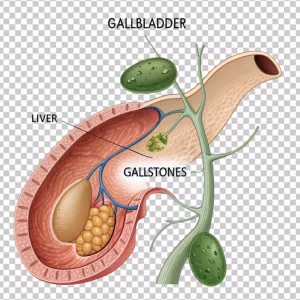
The gallbladder is a small, pear-shaped reservoir located just under your liver on the right side of your abdomen. Its primary function is to store bile, a fluid produced by the liver that breaks down fats in your diet. Gallstones are hardened deposits of digestive fluid that can form in your gallbladder. They range in size from as small as a grain of sand to as large as a golf ball.

Types of Gallstones:

  1. Cholesterol Stones: The most common type (roughly 80% of cases). They appear yellow and consist mainly of undissolved cholesterol.
  2. Pigment Stones: Dark brown or black stones that form when your bile contains too much bilirubin (often seen in patients with liver cirrhosis or blood disorders).

2. Recognizing the Symptoms: Is It Just Acidity?

In a city like Ahmedabad, where "acidity" is a frequent complaint, many people ignore the early warning signs of gallstones, thinking it's just a heavy meal at a local cafe. However, gallstone pain—often called Biliary Colic—is distinct. Key Symptoms Include:
  • Sudden, Intense Pain: Typically in the upper right quadrant of the abdomen, sometimes shifting to the center.
  • Radiating Pain: The discomfort may spread to your right shoulder blade or between your shoulder blades.
  • Nausea and Vomiting: Unlike simple gas, gallstone pain is often accompanied by significant stomach upset.
  • The "Post-Meal" Trigger: Pain usually peaks 30 to 60 minutes after eating a greasy or high-fat meal.
When is it an Emergency? If you develop a fever, chills, or yellowing of the skin/eyes (jaundice), the stone may have blocked a duct, causing an infection. This requires immediate intervention from a specialized gastroenterologist in Ahmedabad.    

3. Advanced Diagnosis: How We Find the Stones

Modern diagnostics in 2026 allow for pinpoint accuracy. When you visit a stomach doctor in Ahmedabad, they will typically use:
  • Abdominal Ultrasound: The quickest and most reliable method to visualize stones.
  • Endoscopic Ultrasound (EUS): Used for smaller stones that a regular ultrasound might miss.
  • MRCP (Magnetic Resonance Cholangiopancreatography): A specialized MRI that looks specifically at the bile ducts to see if a stone has migrated.

4. Treatment Options: Surgery vs. Non-Surgical Paths

A. Laparoscopic Cholecystectomy (The Gold Standard)

In 2026, the most effective gallbladder stones treatment is the surgical removal of the gallbladder itself.
  • The Procedure: Using "keyhole" surgery, a laparoscopic surgeon in Ahmedabad makes 3–4 tiny incisions. A camera and specialized tools remove the organ with minimal trauma.
  • Why Remove the Organ? If you only remove the stones, the gallbladder (which is the "stone-making factory") will simply produce more. Removing the organ is the only permanent cure.
  • Recovery: Most patients walk the same day and return to work within a week.

B. ERCP (For Duct Stones)

If a stone has left the gallbladder and is stuck in the common bile duct, it can cause jaundice or pancreatitis. ERCP allows the doctor to remove the stone through an endoscope (via the mouth), avoiding any external incisions.

C. Non-Surgical Alternatives

While surgery is the primary recommendation, some patients explore non-surgical routes:
  • Oral Dissolution Therapy: Drugs like Ursodeoxycholic acid can dissolve stones over months. However, this only works for small cholesterol stones and the success rate is low—stones often return once the medication stops.
  • Shock Wave Lithotripsy: Using sound waves to break stones into pieces. This is rarely used today as it doesn't address the underlying cause.

5. Gallstone Surgery Cost in Ahmedabad (2026 Estimates)

One of the most frequent questions we receive is about the laparoscopic cholecystectomy cost in Ahmedabad.
  • Basic Package: ₹45,000 – ₹60,000 (Private clinics/Mid-sized hospitals).
  • Premium/Super-Specialty: ₹75,000 – ₹1,10,000.
  • Insurance: Most TPA and government insurance schemes (like PMJAY) cover this procedure, making it accessible for all.

6. Diet and Lifestyle: Life After Gallbladder Removal

"Can I still eat my favorite food?" This is the #1 question for patients in Gujarat. The answer is yes, but with a few adjustments during the transition period. Immediate Post-Op Diet:
  • Focus on Fiber: Gradually increase whole grains, oats, and legumes.
  • Low-Fat Start: For the first 2 weeks, avoid deep-fried items like gathiya or parathas.
  • Small Portions: Your liver still produces bile, but it now trickles into the intestine rather than being stored. Eating 5 small meals instead of 2 large ones helps your body adjust.

7. Why Ahmedabad is a Hub for Gastro Care

Ahmedabad has become a premier destination for medical tourism in Western India. With high-definition 4K laparoscopy units and world-class post-operative care, the city offers surgical outcomes that rival global standards. Choosing a specialized clinic like Dr. Gastro ensures you are treated by experts who understand the local demographic and dietary nuances.    

8. Frequently Asked Questions (FAQs)

Q1: Can I live without a gallbladder?
  • Absolutely. The gallbladder is a storage organ, not an essential one. Your liver will continue to produce the bile needed for digestion.
Q2: Are there any side effects of surgery?
  • A small percentage of patients experience temporary bloating or frequent bowel movements, but these usually resolve as the body adapts within a few weeks.
Q3: How long is the hospital stay?
  • With modern laparoscopic techniques, most patients are discharged within 24 to 48 hours.

Conclusion: Take the First Step Toward Relief

Gallbladder stones are a progressive condition. What starts as occasional "acidity" can quickly turn into an emergency. By seeking a specialized gastroenterologist in Ahmedabad early, you can plan your treatment on your own terms rather than as an emergency. Stop the pain before it stops you. 👉 Book Your Consultation at Dr. Gastro Ahmedabad 📞 Call our Gallstone Specialists: +91 9512039041
Read more...

The Ultimate Guide to Hernia Surgery in Ahmedabad: Symptoms, Costs, and Modern Treatments

Introduction: Understanding the "Bulge"

A hernia is more than just a physical discomfort; it is a mechanical defect in the abdominal wall that requires professional intervention. In Ahmedabad, the prevalence of hernias is rising due to factors ranging from heavy lifting in industrial sectors to sedentary lifestyles and chronic constipation. If you’ve noticed a protrusion in your groin or abdomen that becomes more prominent when you cough or strain, you are likely looking for a hernia surgeon in Ahmedabad. The good news? Modern surgical techniques have made "big cuts" a thing of the past. Today, hernia repair is faster, safer, and virtually painless.

1. Common Types of Hernias Seen in Ahmedabad Clinics

Not all hernias are the same. A specialized hernia specialist in Ahmedabad will first categorize your condition to determine the best surgical approach.
  • Inguinal Hernia: The most common type, occurring in the groin. It is significantly more prevalent in men and often presents as a bulge near the pubic bone.
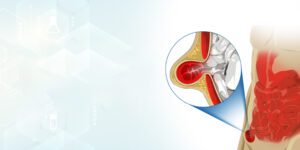
  • Umbilical Hernia: Occurs near the belly button (navel). It is common in infants but also affects adults due to obesity or multiple pregnancies.
  • Incisional Hernia: These occur at the site of a previous surgical scar where the abdominal wall has weakened.
  • Femoral Hernia: More common in women, these appear just below the groin crease and carry a higher risk of complications like strangulation.
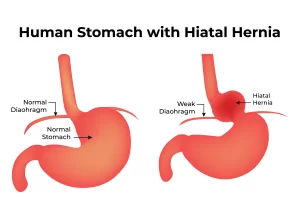
  • Hiatal Hernia: A unique type where the stomach pushes up into the chest cavity through the diaphragm, often causing severe acid reflux (GERD).

2. When to See a Hernia Surgeon: Red Flags You Shouldn't Ignore

Many people live with a small hernia for years, but a "watchful waiting" approach can be dangerous. You should consult a stomach doctor in Ahmedabad immediately if you experience:
  1. Sudden, Intense Pain: A sign that the hernia may be "incarcerated" or trapped.
  2. Inability to Push the Bulge Back: If the lump remains firm and won't go back in when you lie down.
  3. Skin Discoloration: Red, purple, or dark skin over the bulge.
  4. Digestive Issues: Nausea, vomiting, or an inability to pass gas—this could indicate a life-threatening bowel obstruction.
   

3. Laparoscopic vs. Open Surgery: Which is Best for You?

When you visit a laparoscopic surgeon in Ahmedabad, you will likely be offered two main options. In 2026, the "Keyhole" approach is preferred by most patients.

Laparoscopic Hernia Repair (The Modern Choice)

  • Technique: 3 tiny incisions (sub-centimeter) instead of one large cut.
  • Precision: The surgeon uses a 4K camera to place a synthetic mesh with extreme accuracy.
  • Recovery: Most patients return to light work in 3 to 7 days.
  • Pain: Significantly lower post-operative discomfort.

Open Hernia Surgery (The Traditional Route)

  • Technique: A single 2-to-3 inch incision directly over the hernia.
  • Suitability: Often recommended for very large or complex hernias, or for patients who cannot undergo general anesthesia.
  • Recovery: Typically takes 2 to 4 weeks for a full return to activity.

4. Hernia Surgery Cost in Ahmedabad (2026 Estimates)

The cost of hernia repair in Ahmedabad is influenced by the type of surgery and the choice of hospital (Super-speciality vs. Private Clinic).
Factor Estimated Cost (INR)
Consultation Fee ₹800 - ₹1,500
Diagnostic (Ultrasound/CT) ₹1,000 - ₹5,000
Laparoscopic Surgery (Starting) ₹45,000 - ₹85,000
Average Full Package ₹90,000 - ₹1,20,000
Note: Most corporate and private insurance plans in Ahmedabad cover laparoscopic hernia surgery.

5. The Recovery Roadmap: What to Expect Post-Surgery

Choosing the best hernia doctor in Ahmedabad ensures you have a structured recovery plan.
  • Day 1: Most patients are discharged the same day or within 24 hours. You will be encouraged to walk gently.
  • Week 1: Avoid lifting anything heavier than a laptop bag. You can usually drive and climb stairs by Day 4.
  • Week 4-6: You can resume gym workouts, running, and heavy lifting after a final check-up with your surgeon.
   

6. Why Dr. Gastro is the Trusted Choice for Hernia Repair

At Dr. Gastro, we combine surgical excellence with a patient-first approach.
  1. Expert Diagnosis: We use high-resolution imaging to identify even the smallest "occult" hernias.
  2. Advanced Mesh Technology: We use high-quality, lightweight meshes that integrate perfectly with your tissue, reducing the risk of recurrence.
  3. Painless Protocol: Our anesthesiology team ensures you are comfortable throughout the procedure.
  4. Local Expertise: As a leading gastroenterologist in Ahmedabad, our team understands the link between gut health and hernia prevention.

Conclusion: Reclaim Your Strength

A hernia will not go away on its own; it only gets larger and more complex over time. By consulting a specialized hernia surgeon in Ahmedabad, you can fix the problem before it becomes an emergency. Don't let a hernia hold you back from the life you love.
Read more...

Minimally Invasive, Maximum Precision: Why Choose a Laparoscopic Surgeon in Ahmedabad?

Introduction: The Shift from "Open" to "Keyhole"

Until a few decades ago, abdominal surgery meant large incisions, significant blood loss, and weeks of painful recovery. However, in 2026, the surgical landscape in Ahmedabad has been completely transformed. Patients are no longer looking for "traditional" surgeons; they are seeking the expertise of a laparoscopic surgeon in Ahmedabad. Minimally invasive surgery is now the "Gold Standard" for treating everything from gallstones to complex hernias. At Dr. Gastro, we believe that surgery shouldn't be a setback. By using advanced visualization technology and micro-instruments, we ensure that your surgical journey is as smooth and painless as possible.

1. What is Laparoscopic Surgery?

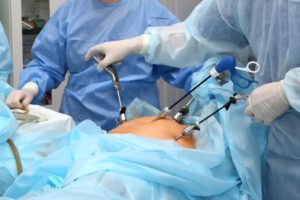
Laparoscopy is a specialized technique where the surgeon makes a few tiny incisions (usually 0.5 to 1 cm) instead of one large opening.
  • The Laparoscope: A thin tube equipped with a high-definition 4K camera is inserted through one incision. This projects a magnified view of your internal organs onto a monitor.
  • The Procedure: Specialized surgical tools are inserted through other "ports." The surgeon operates with enhanced precision, seeing your anatomy in far greater detail than the human eye could in traditional open surgery.
  Best Laparoscopic Surgeon in Ahmedabad  

2. Top 5 Reasons to Consult a Laparoscopic Surgeon in Ahmedabad

Why are more patients in Ahmedabad opting for laparoscopy? The benefits are life-changing:

A. Minimal Scarring (Cosmetic Advantage)

In a city that values aesthetics, the "keyhole" approach is highly popular. Instead of a long, permanent scar, you are left with 3 or 4 tiny marks that often become nearly invisible within a few months.

B. Faster Recovery & Shorter Hospital Stays

In 2026, "Day-Care Surgery" is a reality. Many laparoscopic procedures, such as gallbladder removal (cholecystectomy), allow patients to go home the same evening or the next morning. You can often return to your desk job in just 3 to 5 days.

C. Significantly Less Pain

Because the surgeon doesn't have to cut through large abdominal muscles, the trauma to the body is minimal. This reduces the need for heavy painkillers and minimizes post-operative discomfort.

D. Lower Risk of Infection

Smaller incisions mean less exposure of internal tissues to the environment, which significantly reduces the risk of surgical site infections—a major concern in traditional surgery.

E. High Surgical Precision

Modern 3D and 4K imaging systems used by the best laparoscopic surgeons in Ahmedabad allow for extreme accuracy around delicate structures, reducing the risk of accidental tissue damage or bleeding.

3. Common Procedures Performed Laparoscopically

If you have been diagnosed with any of the following, a laparoscopic consultation is essential:
  • Laparoscopic Gallbladder Removal: The standard treatment for painful gallstones.
  • Hernia Repair (Inguinal, Umbilical, Incisional): Using mesh to reinforce weakened muscles through tiny ports.
  • Appendectomy: Quick and clean removal of an inflamed appendix.
  • Diagnostic Laparoscopy: When scans (USG/CT) are inconclusive, a quick look with a camera provides the final diagnosis for unexplained abdominal pain.
  • Bariatric (Weight Loss) Surgery: For managing morbid obesity and related metabolic issues.

4. Understanding the Cost of Laparoscopic Surgery in Ahmedabad (2026)

The cost of surgery in Ahmedabad is highly competitive compared to other Indian metros.
  • Range: Depending on the procedure and hospital type, costs typically range from ₹35,000 to ₹1,20,000.
  • Value Factor: While the upfront cost of laparoscopic equipment is higher, the "Total Cost of Recovery" is often lower because you spend fewer days in the hospital and return to work faster.
  • Insurance: Most health insurance plans in 2026 fully cover laparoscopic procedures.

5. Choosing the Right Surgeon: The Dr. Gastro Standard

When searching for the best laparoscopic surgeon in Ahmedabad, look for:
  1. Surgical Volume: How many procedures does the surgeon perform annually? High volume usually correlates with better outcomes.
  2. Hospital Infrastructure: Does the center have an advanced "Laminar Flow" OT (Operating Theater) to prevent infections?
  3. Post-Op Care: A dedicated team to monitor your recovery at home via tele-consultation or the clinic app.
   

Conclusion: Don't Let Fear Delay Your Health

Many patients delay necessary surgeries because they fear the "big cut." Laparoscopic technology has removed that barrier. If you have been advised to undergo surgery, consult a specialized laparoscopic surgeon in Ahmedabad to explore the minimally invasive route. Your health deserves the precision of modern science.
Read more...

The Comprehensive Guide to Choosing the Best Gastroenterologist in Ahmedabad: 2026 Edition

Introduction: Navigating Digestive Health in the Heart of Gujarat

Ahmedabad is a city of rapid growth and even faster lifestyles. In 2026, while the city's infrastructure has advanced, so have the complexities of our health. For the average "Amdavadi," a day might involve high-pressure corporate meetings on SG Highway followed by a late-night feast at Law Garden. While culturally enriching, this lifestyle has led to a significant spike in gastrointestinal (GI) disorders. Finding a reliable gastroenterologist in Ahmedabad is no longer just about curing a stomach ache; it’s about managing long-term metabolic health, preventing liver disease, and ensuring early detection of silent conditions like colorectal cancer. This guide will walk you through everything you need to know about digestive health in our city today.

1. Why the "Amdavadi" Lifestyle Demands Better Gut Health Awareness

Ahmedabad’s culinary habits are legendary, but they come with a "digestive tax." In 2026, clinical data suggests that nearly 40% of the city's population suffers from some form of chronic digestive discomfort.
  • Fermented & Spicy Foods: While delicious, the high intake of fermented, spicy, and oily foods can trigger chronic Gastritis and Acidity.
  • The Late-Night Culture: Eating heavy meals late at night prevents the Lower Esophageal Sphincter (LES) from closing properly, leading to GERD (Gastroesophageal Reflux Disease).
  • Sedentary Work Habits: With many professionals working 9-to-9 desk jobs, gut motility decreases, leading to chronic constipation and bloating.

2. When Should You Consult a Gastroenterologist in Ahmedabad?

Most people wait until the pain is unbearable. However, early intervention is the hallmark of modern 2026 medicine. You should seek a specialist if you experience:
  • Persistent Heartburn: Acid reflux that occurs more than twice a week despite taking antacids.
  • The "Silent" Fatty Liver: Most people with Non-Alcoholic Fatty Liver Disease (NAFLD) have no symptoms until it’s too late. A routine check-up with a liver specialist in Ahmedabad is vital if you have a high BMI or diabetes.
  • Bloating and IBS: If you feel "heavy" or gassy after every meal, it may not just be "gas"—it could be Irritable Bowel Syndrome (IBS) or Small Intestinal Bacterial Overgrowth (SIBO).
  • Blood in Stool: This is a critical red flag for hemorrhoids, inflammatory bowel disease (IBD), or early-stage polyps.

3. Advanced Technology: What to Expect in a 2026 GI Clinic

The days of fearful, painful procedures are over. When searching for a gastroenterologist in Ahmedabad, ensure their facility is equipped with the latest 2026 medical tech:

A. Painless Endoscopy & Colonoscopy

Modern clinics now use ultra-thin, high-definition (HD) scopes combined with safe, short-acting sedation. You wake up 15 minutes later with no memory of the procedure and a clear diagnosis in hand.

B. AI-Enhanced Polyp Detection

In 2026, top GI doctors use Artificial Intelligence (AI) software during colonoscopies to spot tiny, flat polyps that the human eye might miss. This has increased the success rate of colon cancer prevention by over 30%.

C. FibroScan: The Non-Invasive Liver Biopsy

If you have been told you have a "fatty liver," you no longer need a painful needle biopsy. FibroScan uses ultrasound technology to measure liver stiffness and fat content in under 10 minutes.

4. Decoding the Most Common GI Conditions in Ahmedabad

As a leading medical hub, Ahmedabad sees a specific pattern of diseases. A specialized gastroenterologist in Ahmedabad will typically focus on:
  • Peptic Ulcers: Often caused by the H. pylori bacteria or excessive use of painkillers (NSAIDs).
  • Gallstones: High-cholesterol diets lead to the formation of stones in the gallbladder, often requiring laparoscopic removal.
  • Inflammatory Bowel Disease (IBD): Conditions like Crohn’s and Ulcerative Colitis are becoming more common in urban Gujarat due to environmental factors.
  • Jaundice and Hepatitis: Viral infections still pose a threat, making vaccination and early hepatology consultation crucial.

5. The Gut-Brain Connection: Why Stress Hits Your Stomach

In 2026, we understand that the "Gut is the Second Brain." Many patients visiting a stomach doctor in Ahmedabad for "unexplained pain" are actually suffering from stress-induced GI issues. The gut-brain axis means that your anxiety about work or family can manifest as physical diarrhea, constipation, or severe cramping. A holistic gastroenterologist will not just give you pills; they will discuss your sleep patterns, stress levels, and perhaps suggest mild lifestyle modifications to calm your enteric nervous system.

6. Choosing the Right Specialist: A Checklist

Ahmedabad has world-class hospitals in areas like Satellite, Prahlad Nagar, Bodakdev, and Chandkheda. Here is how to filter your search:
  1. Experience & Credentials: Look for a doctor with at least 10-15 years of surgical or clinical experience.
  2. Specialization: If you have liver issues, look for a Hepatologist. If you have digestive issues, a Gastroenterologist.
  3. In-House Diagnostics: Does the clinic have its own endoscopy suite? This saves you time and ensures quality control.
  4. Patient-Centric Approach: Does the doctor explain the "why" behind the treatment? In 2026, "paternalistic" medicine is out; "collaborative" care is in.

7. Practical Tips to Avoid GI Issues in Ahmedabad

  • The "Chaas" Advantage: Instead of sugary sodas after a meal, opt for traditional buttermilk. It is a natural probiotic that suits the Indian gut perfectly.
  • Early Dinners: Try to finish your last meal by 8 PM. This gives your body time to process food before you lie down, significantly reducing GERD.
  • Fiber is Key: With the rise of refined flour (Maida) in snacks, make sure you add whole grains and leafy greens to your lunch.

8. Frequently Asked Questions (FAQs)

Q1: What is the cost of endoscopy in Ahmedabad?
  • In 2026, a standard diagnostic endoscopy ranges from ₹4,000 to ₹8,000, depending on whether sedation is used and the clinic's facility.
Q2: Can fatty liver be cured?
  • Yes! In its early stages (Grade 1 and some Grade 2), fatty liver is reversible through strict diet, exercise, and the guidance of a liver specialist in Ahmedabad.
Q3: Is colonoscopy painful?
  • No. With modern "conscious sedation," the procedure is entirely painless and takes very little time.
   

Conclusion: Prioritizing Your Second Brain

Your digestive system is the engine of your body. Ignoring symptoms today can lead to chronic inflammation and metabolic diseases tomorrow. Whether you are looking for a routine screening or a complex liver treatment, finding the right gastroenterologist in Ahmedabad is an investment in your long-term quality of life. Take the first step toward a healthier gut today.
Read more...

New Year, New Gut: 7 Resolutions to Cure Chronic Acidity & Bloating in 2026

The start of a new year is the perfect time to set resolutions for a healthier and happier life. For many, this includes making healthier choices to improve overall well-being, and your digestive health should be at the top of the list. Chronic acidity and bloating are two common digestive issues that affect millions of people worldwide, and they often go hand-in-hand, leaving individuals uncomfortable and frustrated. At Dr. Gastro, a trusted gastroenterologist in Ahmedabad, we understand how chronic acidity and bloating can impact your daily life. The good news is that with the right lifestyle changes, diet modifications, and a few simple resolutions, you can significantly reduce or eliminate these issues. In this blog, we’ll explore 7 New Year’s resolutions to help cure chronic acidity and bloating in 2026, leading to a healthier gut and a more comfortable life.

1. Start the Day with Water: Hydrate for Better Digestion

One of the simplest and most effective ways to improve your digestive health is to stay hydrated. Water plays a crucial role in digestion, nutrient absorption, and maintaining the proper function of your intestines. Many people overlook the importance of drinking water, but dehydration is a common contributor to bloating and acidity. Resolution Tip: Start your day by drinking a glass of warm water with a slice of lemon. This simple habit helps flush out toxins, stimulates digestion, and supports the proper functioning of your digestive system. It also reduces the risk of acid reflux by promoting healthy stomach acid levels. Benefit: Staying hydrated keeps food moving through your digestive tract and prevents the discomfort of bloating and indigestion.

2. Eat Smaller, Frequent Meals: Say Goodbye to Overeating

Overeating is one of the main culprits behind acidity and bloating. Large meals put excessive pressure on your stomach, causing it to produce more acid, which can lead to acid reflux and discomfort. Eating large meals can also slow down digestion and contribute to bloating. Resolution Tip: Instead of three large meals, aim to eat smaller, more frequent meals throughout the day. This approach not only helps with digestion but also keeps your metabolism active. Try to eat five smaller meals instead of two or three large ones. This will reduce the pressure on your digestive system, prevent overeating, and promote better digestion. Benefit: Smaller meals allow your digestive system to process food more efficiently, preventing bloating and acidity.    

3. Prioritize Fiber-Rich Foods: Boost Your Gut Health

A diet high in fiber is essential for maintaining healthy digestion. Fiber helps keep your stool soft, promotes regular bowel movements, and prevents constipation, which can contribute to bloating. Additionally, fiber helps to regulate stomach acid levels, reducing the likelihood of acidity. Resolution Tip: Incorporate more fiber-rich foods into your diet, such as fruits, vegetables, whole grains, and legumes. Foods like apples, spinach, avocados, and lentils are excellent sources of fiber that will support your digestive health. Fiber not only aids in digestion but also nourishes the good bacteria in your gut, promoting a balanced gut microbiome. Benefit: Eating more fiber helps reduce bloating, improve digestion, and regulate acid levels in your stomach, which is key to avoiding chronic acidity.

4. Avoid Trigger Foods: Identify What Doesn’t Sit Well

Certain foods are known to trigger acidity and bloating in many people. Common culprits include spicy foods, fried foods, carbonated beverages, caffeine, and dairy products. While these foods may be delicious, they can disrupt digestion and lead to discomfort. Resolution Tip: Identify and avoid foods that trigger your symptoms. Keep a food diary to track what you eat and when symptoms occur. Consider reducing or eliminating spicy, greasy, or acidic foods from your diet. If dairy is a problem, try lactose-free alternatives or switch to plant-based milk options like almond or oat milk. Benefit: Avoiding trigger foods will help reduce episodes of bloating and acidity, making your digestion smoother and more comfortable.

5. Practice Mindful Eating: Slow Down and Enjoy Your Meals

One of the most common causes of digestive issues is eating too quickly. When you rush through meals, you swallow air, which can lead to bloating. Additionally, eating too fast prevents your stomach from sending signals to your brain that it’s full, leading to overeating and subsequent digestive discomfort. Resolution Tip: Practice mindful eating by slowing down and focusing on your food. Take smaller bites, chew thoroughly, and pay attention to your hunger and fullness cues. This practice helps improve digestion and allows your body to better process the food you eat. Benefit: Mindful eating helps your body digest food more efficiently, reducing the likelihood of bloating, acid reflux, and overeating.

6. Manage Stress: Relax for Better Digestion

Stress is a major contributor to digestive problems like acidity and bloating. When you're stressed, your body produces more cortisol, a hormone that can disrupt digestion, slow down gut motility, and increase stomach acid production. Stress can also lead to unhealthy eating habits, such as overeating or choosing foods that aggravate digestion. Resolution Tip: Incorporate stress-reducing activities into your daily routine, such as yoga, meditation, deep breathing, or walking. These activities can help lower cortisol levels, improve digestion, and reduce the physical symptoms of stress, including bloating and acidity. Benefit: Managing stress improves overall gut health and prevents the physical discomfort of bloating and acid reflux.    

7. Include Probiotics: Support Your Gut Microbiome

Probiotics are beneficial bacteria that support a healthy gut microbiome. They help maintain a balance of good bacteria in your digestive system, improving digestion and reducing symptoms of bloating and acidity. Probiotics can also enhance your immune system and improve the absorption of nutrients from food. Resolution Tip: Add probiotic-rich foods like yogurt, kimchi, sauerkraut, and kefir to your diet. If you prefer supplements, consult your doctor or gastroenterologist to choose the best probiotic for your needs. Benefit: Probiotics help balance the gut microbiome, improve digestion, and reduce symptoms of bloating, gas, and acidity.

Conclusion: A Healthier Gut in 2026

As we enter 2026, making the right resolutions for your digestive health can lead to a year of comfort and well-being. By following these 7 simple resolutions—drinking more water, eating smaller meals, prioritizing fiber, avoiding trigger foods, practicing mindful eating, managing stress, and including probiotics—you can cure chronic acidity and bloating for good. At Dr. Gastro, we’re committed to helping you achieve optimal digestive health. If you continue to experience chronic acidity or bloating despite making these changes, don’t hesitate to contact us. Our team of expert gastroenterologists in Ahmedabad can help diagnose any underlying conditions and provide personalized treatment options to get you back on track.  
Read more...

“Gas” or Gallstones? Why Heavy Wedding Food Triggers Sudden Stomach Pain

The wedding season is one of the most exciting and joyous times of the year, especially in India, where grand celebrations are at the heart of every tradition. However, among the festivities, music, and dance, many people face an unexpected and unpleasant experience: sudden stomach pain after indulging in heavy wedding food. While this discomfort is often dismissed as gas, there could be another underlying issue at play, like gallstones. Understanding the difference between gas and gallstone-related pain is crucial, as it can help you take the right steps for treatment and prevention. In this blog, we will explore why heavy wedding food triggers stomach pain, how to differentiate between gas and gallstones, and what you can do to prevent it. At Dr. Gastro, a trusted gastroenterologist in Ahmedabad, we are dedicated to providing expert advice and care for all your digestive concerns. Let’s delve into the relationship between heavy foods and digestive issues, and help you understand how to protect your stomach this wedding season.

Why Heavy Wedding Food Triggers Stomach Pain

Wedding banquets are known for their indulgent dishes—rich, spicy curries, deep-fried snacks, sweet desserts, and heavy meats. While all these foods contribute to the festive mood, they can wreak havoc on your digestive system, leading to discomfort and pain. Here's why:
  1. Overeating and Large Portion Sizes: During weddings, it’s easy to indulge in large portions of food due to the abundance of delicious options. Overeating stretches the stomach, putting pressure on the digestive system. This can lead to bloating, gas, and indigestion, causing discomfort in the abdomen.
  2. Fatty and Oily Foods: Many wedding dishes are high in fat and oils, such as deep-fried items, creamy gravies, and rich meats. These foods take longer to digest, which can lead to feelings of fullness, bloating, and discomfort. Additionally, high-fat foods stimulate the production of stomach acid, which can cause acid reflux or indigestion.
  3. Spicy and Heavy Ingredients: Spicy foods, common in Indian wedding dishes, can irritate the lining of the stomach and intestines. Spices like chili, mustard, and garlic can trigger acid reflux or worsen gastric issues, especially if consumed in excess. For people with sensitive digestive systems, these foods can exacerbate symptoms of heartburn and indigestion.
  4. Alcohol and Carbonated Drinks: Alcohol is often consumed in large quantities at weddings, leading to stomach irritation. Carbonated beverages like sodas can also contribute to bloating and gas. Both of these can trigger acid reflux, bloating, and distension, causing discomfort in the upper abdomen.
  5. Stress and Anxiety: Weddings can be stressful, with the pressure of attending events, meeting family members, and dealing with the excitement. Stress can disrupt the digestive process, slowing it down and making it harder for the body to break down food properly. This can contribute to indigestion, bloating, and discomfort.
   

Is It Gas or Gallstones? Understanding the Difference

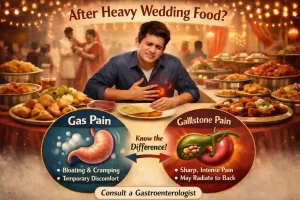
When stomach pain occurs after eating heavy food at a wedding, it’s common to assume it’s just gas or indigestion. However, in some cases, the pain could be a sign of a more serious condition like gallstones. Here’s how you can tell the difference:
  1. Gas:

Gas pain occurs when there is a buildup of gas in the stomach or intestines. This can happen after consuming heavy, greasy, or spicy foods, especially in large quantities. Symptoms of gas:
  • Bloating or feeling full
  • Sharp or cramp-like pain in the abdomen, especially after eating
  • Frequent burping or passing gas
  • Pain that comes and goes, often relieved by passing gas or a bowel movement
  • A feeling of heaviness or discomfort after meals
Cause of Gas:
  • Overeating
  • Consumption of foods that are difficult to digest (fatty, spicy, or fibrous foods)
  • Carbonated drinks and alcohol
  • Swallowing air while eating or drinking
Relief: Gas pain is typically temporary and can be relieved by passing gas, taking a walk, or consuming over-the-counter remedies like simethicone (e.g., Gas-X). A warm compress or gentle abdominal massage can also help.
  1. Gallstones:

Gallstones are hardened deposits of bile in the gallbladder, a small organ located beneath the liver. These stones can block the normal flow of bile into the intestines, causing pain. Gallstone-related pain typically occurs after eating a fatty meal, as the gallbladder is responsible for breaking down fats. Symptoms of gallstones:
  • Severe, steady pain in the upper abdomen or right side, often radiating to the back or shoulder
  • Pain that lasts from 30 minutes to several hours
  • Nausea and vomiting
  • Fever (if the gallbladder is inflamed or infected)
  • Jaundice (yellowing of the skin or eyes in severe cases)
Cause of Gallstones:
  • A high-fat diet
  • Obesity or being overweight
  • Rapid weight loss (from dieting or surgery)
  • Genetics or family history
  • Age (more common in people over 40)
  • Gender (more common in women)
Relief: Gallstone pain often requires medical intervention. In some cases, the stones may need to be removed through a procedure called cholecystectomy (removal of the gallbladder). If you suspect gallstones, it’s essential to consult with a gastroenterologist for a proper diagnosis and treatment.    

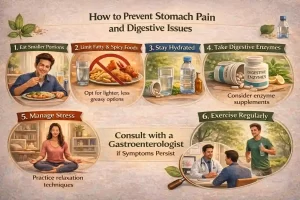
How to Prevent Stomach Pain and Digestive Issues This Wedding Season

Whether it’s gas, gallstones, or simple indigestion, there are steps you can take to avoid stomach pain and discomfort during the wedding season:
  1. Moderate Your Portions: Avoid overeating at wedding feasts. Eat smaller portions and chew your food thoroughly to aid digestion.
  2. Limit Fatty and Spicy Foods: While rich wedding dishes are tempting, try to limit your intake of fried, greasy, or spicy foods. Opt for lighter options when possible to prevent acid reflux and indigestion.
  3. Stay Hydrated: Drink plenty of water throughout the day, especially if you’re indulging in alcohol. Staying hydrated helps your digestive system process food more efficiently and prevents dehydration, which can worsen constipation and bloating.
  4. Take Digestive Enzymes: If you have a sensitive stomach, consider taking over-the-counter digestive enzyme supplements before meals. These can help break down fats and improve digestion, reducing the risk of bloating and discomfort.
  5. Avoid Stress: Weddings can be stressful, but try to manage your stress levels. Take breaks when needed, practice relaxation techniques, and avoid rushing meals.
  6. Exercise Regularly: Regular physical activity helps keep your digestive system moving and reduces bloating. If you feel discomfort after a heavy meal, take a short walk to help relieve gas and improve digestion.
  7. Consult with a Gastroenterologist: If you’re experiencing frequent or severe stomach pain, it’s essential to consult a gastroenterologist. Dr. Gastro specializes in diagnosing and treating digestive issues like gas, gallstones, acid reflux, and other gastrointestinal conditions.

Conclusion: Know the Difference, Protect Your Health

While the heavy, rich foods at weddings are a treat, they can trigger digestive issues like gas and, in some cases, gallstones. By understanding the symptoms and causes of both conditions, you can avoid unnecessary discomfort this wedding season. At Dr. Gastro, we are committed to helping you maintain optimal digestive health, whether you’re dealing with occasional indigestion or more serious conditions like gallstones. If you're experiencing frequent stomach pain or suspect a more serious issue, don’t hesitate to seek professional help.
Read more...