Painless Endoscopy: What to Expect and Why You Shouldn’t Delay the Procedure
When a doctor mentions the word "Endoscopy," the immediate reaction for many patients in Gujarat is often anxiety. Traditional stories of discomfort, gagging, and "swallowing a tube" have created a stigma that leads many to postpone this life-saving diagnostic tool. However, in 2026, medical technology has evolved significantly.
At Dr. Gastro, we prioritize patient comfort through Painless Endoscopy. As the best gastro doctor Ahmedabad has to offer, we believe that fear should never be a barrier to health. In this guide, we’ll walk you through what the procedure entails, why it is now painless, and why waiting can be a dangerous gamble for your digestive health.
 During the Procedure:
Best endoscopy treatment in ahmedabad
What Exactly is an Endoscopy?
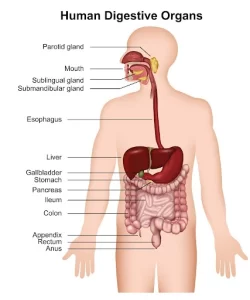
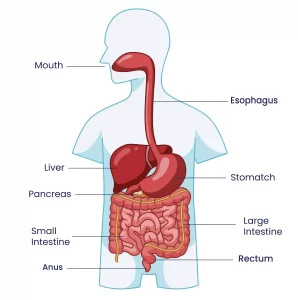
An endoscopy is a procedure where a thin, flexible tube with a high-definition camera and light source (an endoscope) is used to look inside your digestive tract. This allows a gastroenterologist in Ahmedabad to see the lining of your esophagus, stomach, and the first part of your small intestine (duodenum) in vivid detail. Unlike an X-ray or CT scan, an endoscopy allows for real-time visualization. It also enables the doctor to perform minor interventions, such as:- Taking a biopsy (a small tissue sample) to check for infections or cancer.
- Removing polyps (small growths).
- Stopping internal bleeding from ulcers.
The "Painless" Revolution: How It Works
- Zero Discomfort: You are given a mild sedative through an IV. While you aren't under "general anesthesia" (which requires a ventilator), you are in a very deep sleep-like state.
- No Gag Reflex: The sedative suppresses the natural urge to gag, allowing the physician to move the scope smoothly.
- Amnestic Effect: Most patients wake up feeling refreshed and have no memory of the procedure itself.

Why You Shouldn't Delay the Procedure
Delaying an endoscopy is one of the most common mistakes patients make. Often, symptoms that feel like "simple acidity" or "heat-related indigestion" are signs of deeper issues. Identifying Silent Threats Chronic acid reflux can lead to Barrett’s Esophagus, a condition where the lining of the esophagus changes and becomes pre-cancerous. An endoscopy is the only way to catch this early. If you wait until you have difficulty swallowing, the condition may have already progressed. The Connection to Surgical Health Sometimes, upper GI issues are linked to other abdominal problems. For instance, chronic gallbladder inflammation can mimic stomach pain. If an endoscopy rules out stomach issues, your gallbladder surgeon Ahmedabad can then accurately investigate if you require gallstone surgery Ahmedabad. Similarly, many patients ignore rectal discomfort, thinking it’s a minor issue. However, diagnostic checks are vital to determine if symptoms require a specialized fistula surgeon in Ahmedabad or a fissure doctor Ahmedabad. At Dr. Gastro, we offer integrated care, ensuring that from diagnostics to fistula treatment Ahmedabad, you are in expert hands.What to Expect: Step-by-Step
Before the Procedure:- Fasting: You will need to stop eating and drinking for at least 6 to 8 hours prior to ensure your stomach is empty for a clear view.
- Consultation: Your gastroenterologist in Ahmedabad will review your medical history and any medications you are taking.
 During the Procedure:
- The sedation is administered.
- The procedure usually takes only 10 to 15 minutes.
- The camera captures high-resolution images for immediate review.
- You will rest in a recovery area for about 30 minutes while the sedation wears off.
- You’ll receive a preliminary report from the best gastro doctor Ahmedabad.
- Because of the sedative, you will need a friend or family member to drive you home.
Recognizing the Red Flags
- Persistent Heartburn: Acid reflux that occurs more than twice a week.
- Unexplained Weight Loss: Dropping weight without trying is a major red flag.
- Black or Bloody Stools: This indicates internal bleeding that requires immediate visualization.
- Difficulty Swallowing: Feeling like food is "stuck" in your chest.
- Chronic Nausea: Persistent vomiting or feeling sick after every meal.