Fatty Liver and Diabetes: The Silent Connection You Need to Know in 2026

In the medical landscape of 2026, we are witnessing a significant shift in how we understand metabolic health. For years, Diabetes and Fatty Liver disease were treated as two separate entities. However, as the best gastro doctor Ahmedabad will tell you, they are actually two sides of the same coin. At Dr. Gastro, we are seeing an unprecedented rise in patients who are diagnosed with both Type 2 Diabetes and what is now formally known as MASLD (Metabolic Dysfunction-Associated Steatotic Liver Disease)—commonly called Fatty Liver. This "silent connection" is one of the most critical health challenges facing the people of Gujarat today. Understanding this link is not just about medical knowledge; it is about preventing long-term complications that could eventually require intervention from a gastro surgeon Ahmedabad.  
  1. What is the Silent Connection?

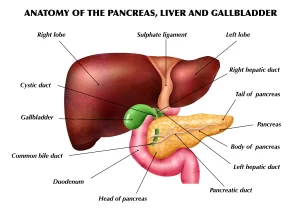
The liver and the pancreas (which produces insulin) work in a tight feedback loop to manage your body’s energy. When you consume more calories—specifically sugar and refined carbs—than your body can burn, the excess is stored as fat. When fat begins to accumulate in the liver, it triggers Insulin Resistance. This is the bridge between the two conditions:
  • The Liver's Role: A fatty liver becomes "deaf" to insulin signals. Instead of storing glucose, it keeps pumping sugar into the bloodstream.
  • The Pancreas's Role: To compensate, the pancreas pumps out even more insulin. Eventually, the pancreas wears out, and blood sugar levels skyrocket, leading to Type 2 Diabetes.
If you have been diagnosed with Diabetes, there is a 70% chance you also have Fatty Liver. Conversely, if you have Fatty Liver, your risk of developing Diabetes in the next five years is significantly higher.
  1. Why is it "Silent"?

The most dangerous aspect of this connection is that both Fatty Liver and early-stage Diabetes often have zero symptoms. You cannot feel your liver getting fatter, and you often cannot feel your blood sugar rising until it is quite high. By the time a patient feels pain in the upper right abdomen or extreme fatigue, the liver may have already progressed to NASH (Non-Alcoholic Steatohepatitis), where inflammation and scarring (fibrosis) begin. At this stage, the risk of liver cirrhosis or the need for a gastroenterologist in Ahmedabad to manage liver failure becomes a reality.
  1. The Gallbladder Connection

Diabetes and Fatty Liver don't just affect the liver cells; they change the very chemistry of your digestive fluids. Diabetic patients with fatty liver are at a much higher risk for developing gallstones. High insulin levels tell the liver to excrete more cholesterol into the bile. When bile is oversaturated with cholesterol, it hardens into stones. This is why many of our metabolic patients eventually require a gallbladder surgeon Ahmedabad. If stones cause a blockage or infection, gallstone surgery Ahmedabad becomes necessary. Fortunately, our team specializes in laparoscopic gallbladder surgery Ahmedabad, ensuring that even patients with metabolic complexities have a safe and quick recovery.
  1. The Impact on Anorectal Health

It may seem unrelated, but metabolic health affects the entire digestive tract, including the rectum. Diabetes can cause nerve damage (neuropathy) that leads to chronic constipation. Constant straining durihttps://globelectra.com/category/seo/ ng bowel movements is the primary cause of hemorrhoids and fissures. If you are managing Diabetes and start noticing rectal pain or bleeding, it is important to see a fissure doctor Ahmedabad or seek piles and fissure treatment Ahmedabad. Ignoring these symptoms can lead to complex infections that might require a fistula surgeon in Ahmedabad for specialized fistula treatment Ahmedabad or anal fissure treatment in Ahmedabad.
  1. Reversing the Cycle: Strategies for 2026

The good news is that the liver is a remarkably resilient organ. Unlike many other organs, it has the power to regenerate and heal if the right steps are taken early.
  1. The "Screen-First" Approach
If you are overweight or diabetic, do not wait for pain. Ask your gastroenterologist in Ahmedabad for a FibroScan. This non-invasive test measures the amount of fat and scarring in your liver, providing a much clearer picture than a simple blood test.
  1. Nutritional Intervention
Focus on a "Low-GI" (Glycemic Index) diet. In Ahmedabad, this means swapping refined white rice and sugary snacks for high-fiber alternatives like whole grains, sprouts, and green leafy vegetables. Reducing sugar is the fastest way to "de-fat" the liver.
  1. Weight Management
Losing just 7% to 10% of your body weight can completely reverse early-stage fatty liver and significantly improve insulin sensitivity, making your Diabetes much easier to manage.
  1. Conclusion: A Holistic View of Your Health

In 2026, we cannot treat the liver and blood sugar as separate problems. They are part of one metabolic system. By protecting your liver, you are protecting your pancreas—and vice versa. At Dr. Gastro, we provide integrated care that looks at the whole person. Whether you need a diagnostic FibroScan from the best gastro doctor Ahmedabad, or you require surgical intervention from a gastro surgeon Ahmedabad, we are here to help you navigate these silent threats. Don't wait for the symptoms to speak up. Take a proactive step toward your health today.
Read more...

Stomach Flu vs. Food Poisoning: A Guide to Safe Eating During Summer Festivals

Summer in Ahmedabad is a season of celebration. From evening food markets at Manek Chowk to local summer festivals, the city’s culinary spirit is on full display. However, the rising mercury also brings a significant hidden risk: a surge in gastrointestinal infections. Two of the most common culprits are Stomach Flu and Food Poisoning. While they share similar symptoms—nausea, vomiting, and diarrhea—their causes and treatments differ. Understanding these differences is crucial for your recovery and long-term gut health. At Dr. Gastro, led by the best gastro doctor Ahmedabad, we specialize in diagnosing these conditions and preventing the long-term complications they can cause.

Defining the Culprits: Virus vs. Bacteria

To the average person, a "stomach ache" is just a stomach ache. But to a gastroenterologist in Ahmedabad, the distinction between a viral and a bacterial infection determines the entire course of treatment.

What is Stomach Flu?

Despite the name, "Stomach Flu" (Viral Gastroenteritis) has nothing to do with the respiratory flu. It is caused by viruses like Norovirus or Rotavirus.
  • Transmission: It is highly contagious and spreads through close contact with an infected person or by touching contaminated surfaces.
  • Onset: Symptoms usually develop 24 to 48 hours after exposure.

What is Food Poisoning?

Food poisoning is caused by eating food contaminated with bacteria (like Salmonella, E. coli, or Listeria), parasites, or toxins. In the Ahmedabad heat, food spoils rapidly if not refrigerated properly.
  • Transmission: Consuming undercooked meat, unwashed raw vegetables, or dairy products that have sat out in the heat.
  • Onset: Symptoms can appear as quickly as 2 to 6 hours after eating the contaminated meal.

    Symptom Checklist: Which One Do You Have?

Distinguishing between the two can be tricky, but a gastro surgeon Ahmedabad typically looks for these specific markers:
Feature Stomach Flu (Viral) Food Poisoning (Bacterial)
Onset Gradual (1–2 days after exposure) Rapid (Hours after eating)
Fever Usually low-grade Can be very high (above 101°F)
Duration 1 to 3 days Can last up to 10 days
Body Aches Very common Less common, but possible
Bloody Stool Rare Common with certain bacteria
If you notice blood in your stool or experience extreme abdominal cramping, it is vital to consult a specialist. Persistent diarrhea and straining can lead to secondary issues like hemorrhoids or fissures, requiring the expertise of a fissure doctor Ahmedabad.

The Hidden Connection: Infection and Anorectal Health

One of the most overlooked consequences of frequent stomach infections is the strain they put on the lower digestive tract. Violent bouts of diarrhea and the subsequent dehydration lead to a cycle of irritation and constipation. Chronic straining and frequent bowel movements are the leading causes of:
  • Anal Fissures: Small tears in the lining of the anus. If you experience sharp pain during or after bowel movements, you may need anal fissure treatment in Ahmedabad.
  • Fistulas: In some cases, an infection in an anal gland can lead to an abscess, which then forms a fistula. This requires the attention of a fistula surgeon in Ahmedabad for effective fistula treatment Ahmedabad.
At Dr. Gastro, we offer comprehensive piles and fissure treatment Ahmedabad, ensuring that a simple case of food poisoning doesn't turn into a chronic surgical problem.

Summer Festival Safety: How to Eat Out Safely

You don't have to skip the festivals, but you do need to be "Gut Smart." Follow these tips from the best gastro doctor Ahmedabad: Watch the "Cold" Foods In summer, we crave ice-cold juices and salads. However, if the water used for ice is contaminated, or if the vegetables weren't washed in filtered water, you are at high risk for Stomach Flu. Always choose bottled water and avoid raw salads at street stalls. The "Hot and Fresh" Rule Bacteria thrive in lukewarm temperatures (the "Danger Zone" between 5°C and 60°C). If food has been sitting out on a buffet or a street counter, avoid it. Only eat food that is cooked fresh and served steaming hot. Dairy and Mayonnaise Mayonnaise and cream-based sauces spoil incredibly fast in the Ahmedabad heat. Avoid "eggless mayo" sandwiches or cream-filled desserts at outdoor stalls during peak summer months.  

When to See a Gastroenterologist in Ahmedabad

Most mild cases of stomach flu or food poisoning resolve with rest and hydration. However, you should seek immediate help from a gastro surgeon Ahmedabad or a clinical specialist if you experience:
  1. Signs of Severe Dehydration: Dry mouth, extreme thirst, and no urination for more than 8 hours.
  2. Inability to Keep Liquids Down: If you are vomiting everything you drink, you may need IV fluids.
  3. High Fever and Chills: This often indicates a bacterial infection that may require antibiotics.
  4. Severe Abdominal Pain: This could indicate complications like appendicitis or gallbladder issues. In such cases, you may need to consult a gallbladder surgeon Ahmedabad for an ultrasound to rule out the need for gallstone surgery Ahmedabad.
  5. Rectal Bleeding: Never ignore blood. Whether it’s from a fissure or an internal infection, get it checked by the best gastro doctor Ahmedabad.
  1. Treatment and Recovery: Protecting Your Gut
Hydration is Key Don't just drink plain water. Use Oral Rehydration Salts (ORS) to replenish lost sodium and potassium. Avoid sugary sodas, which can actually make diarrhea worse. The BRAT Diet Once you can keep food down, stick to Bananas, Rice, Applesauce, and Toast. These are easy on the stomach and help firm up stools. Probiotics After an infection, your "good" gut bacteria are depleted. Taking a high-quality probiotic can help restore balance and prevent future infections.

Conclusion: Enjoy the Summer, Respect Your Gut

Ahmedabad’s summer festivals are a time for joy, but a single contaminated meal can lead to weeks of discomfort. By understanding the difference between Stomach Flu and Food Poisoning, you can take the right steps toward recovery. Whether you are dealing with a temporary infection or require specialized care such as laparoscopic gallbladder surgery Ahmedabad or fistula treatment Ahmedabad, Dr. Gastro is your trusted partner in digestive health. Don't let a stomach ache become a chronic problem. Visit drgastro.in today to consult with the leading gastroenterologist in Ahmedabad and ensure your gut stays as vibrant as the city itself.
Read more...

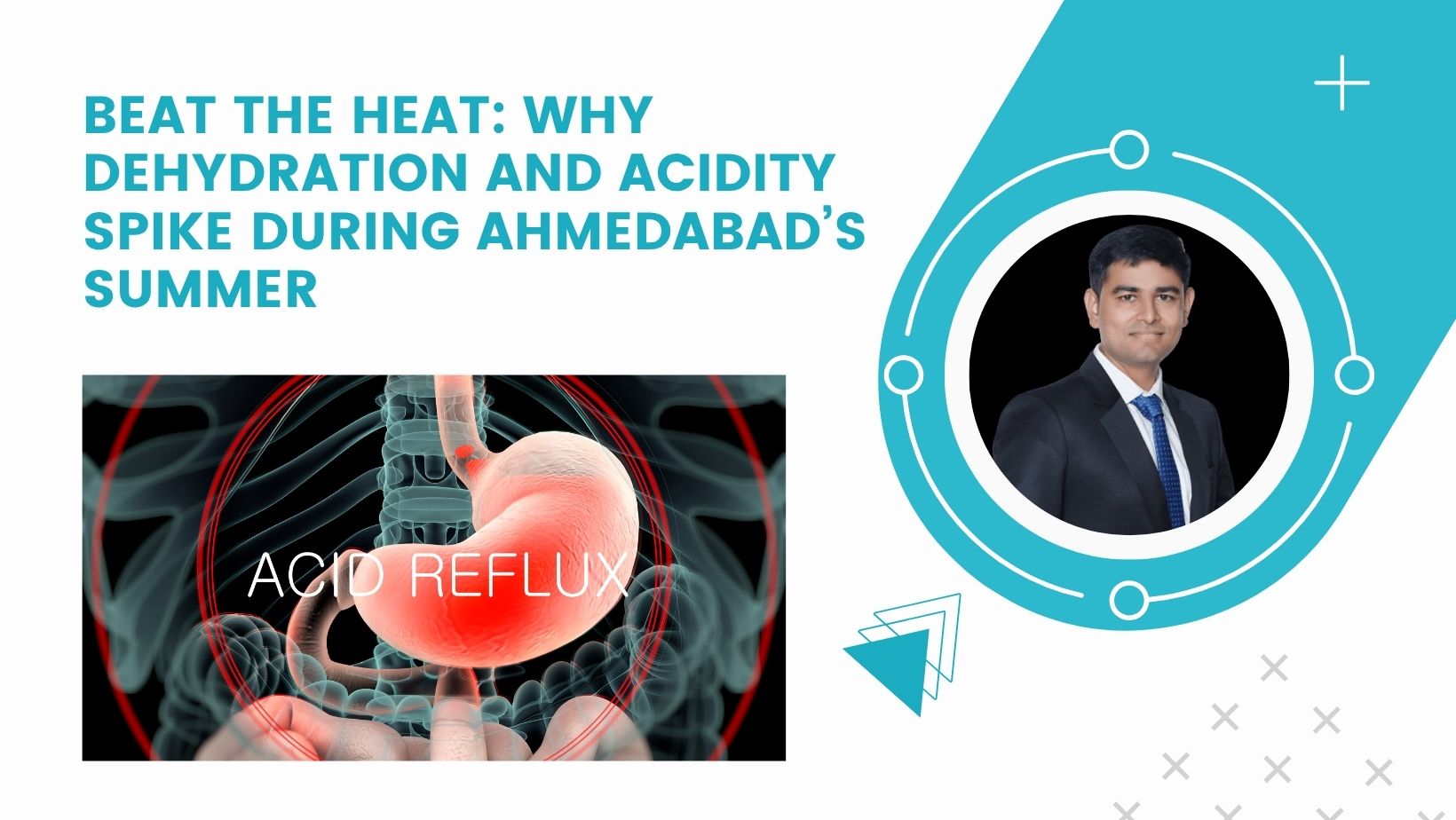
Beat the Heat: Why Dehydration and Acidity Spike During Ahmedabad’s Summer

Ahmedabad is a city of vibrant culture, incredible street food, and a spirit that never sleeps. However, as the calendar turns toward April and May, the city transforms into a furnace. With temperatures frequently soaring past 45°C, the extreme heat does more than just make us sweat-it creates a perfect storm for digestive distress. At Dr. Gastro, we see a significant increase in patients seeking a gastroenterologist in Ahmedabad during the summer months. The two most common complaints? Severe dehydration and debilitating acidity. While these might seem like minor seasonal inconveniences, they are often the gateway to more serious conditions like gallstones or chronic gastric ulcers. In this comprehensive guide, we will explore why your gut reacts so violently to the Ahmedabad heat and how you can protect yourself.

The Physiological Link Between Heat and Acidity: Insights from the Best Gastro Surgeon in Ahmedabad

When the ambient temperature rises, your body’s primary goal is thermoregulation-keeping your internal temperature stable. To do this, your body redirects blood flow away from internal organs (like your stomach and intestines) toward the skin to facilitate cooling through perspiration. This "blood shunting" process has a direct impact on your digestion:
  • Delayed Gastric Emptying: With less blood flow, the muscles in your stomach slow down. Food sits in your stomach longer than usual, leading to fermentation, gas production, and that "heavy" feeling.
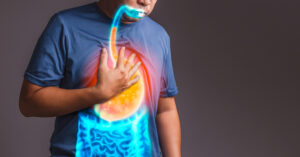
  • Acid Backflow: As food sits and ferments, pressure builds up against the Lower Esophageal Sphincter (LES). This can cause stomach acid to splash back into the esophagus, leading to the burning sensation known as GERD (Gastroesophageal Reflux Disease).
  • Thinning Mucus Lining: Dehydration reduces the stomach's ability to produce the protective mucus layer that shields it from its own acid. This makes you more prone to gastritis and even ulcers.
If you find that your "summer acidity" isn't responding to over-the-counter antacids, it is time to consult the best gastro doctor Ahmedabad to ensure there isn't underlying damage to your esophageal lining.

Dehydration: The Silent Trigger for Gallstones Most people associate dehydration with thirst or dizziness, but as a gastro surgeon Ahmedabad, we often see the impact of dehydration on the gallbladder. The gallbladder stores bile, a fluid produced by the liver to help digest fats. Bile is composed of water, cholesterol, bile salts, and bilirubin. When you are chronically dehydrated during a harsh Ahmedabad summer, the water content in your bile decreases. This causes the bile to become "sludge-like" and highly concentrated with cholesterol. Over time, this concentrated sludge crystallizes into painful stones. If you experience sharp, stabbing pain in the upper right part of your abdomen after a heavy meal, you may be dealing with more than just heat-related indigestion. In such cases, a specialist might recommend gallstone surgery Ahmedabad to prevent infection or blockage. Modern medical science has made this process incredibly smooth. Most patients now opt for laparoscopic gallbladder surgery Ahmedabad, a minimally invasive procedure that allows for faster recovery and minimal scarring, getting you back to your routine in no time.

The "Summer Diet" Trap in Gujarat

Ahmedabad’s culinary scene is irresistible, but during the summer, certain habits can aggravate your gastrointestinal health. The Problem with Caffeine and Soda In the heat, many reach for iced teas, coffees, or carbonated "masala sodas." While they feel refreshing, caffeine is a diuretic-it actually pulls water out of your body, worsening dehydration. Furthermore, carbonation introduces excess air into the digestive tract, increasing bloating and pressure on an already struggling stomach. High-Fat "Thalis" Traditional Gujarati meals are delicious but can be heavy on oil and spices. High-fat foods take even longer to digest. When combined with the heat-induced slow digestion mentioned earlier, it’s a recipe for severe acid reflux.

When Acidity Masks Other Issues: The Role of a Gastro Surgeon

Not every stomach ache in the summer is caused by the sun. Sometimes, the increased pressure from bloating can aggravate existing conditions like a hernia or even anorectal issues. Chronic constipation often a result of dehydration—leads to straining during bowel movements. In the heat, this can lead to the development of painful fissures. If you notice discomfort that isn't just restricted to your stomach, you should consult a fissure doctor Ahmedabad. Early intervention is key. Many patients wait until the pain is unbearable, but a piles and fissure treatment Ahmedabad plan started early can often avoid the need for complex surgery. However, if the condition has progressed, seeking a qualified fistula surgeon in Ahmedabad is essential for specialized care and fistula treatment Ahmedabad.

Your Summer Survival Checklist for a Healthy Gut
To beat the heat and keep your digestive system running smoothly, follow these expert-backed tips:
  • Prioritize Natural Cooling Agents: Instead of soda, choose Chaas (buttermilk), Kokum Sherbet, or coconut water. These provide electrolytes and have a natural cooling effect on the stomach lining.
  • Eat with the Sun: Make your lunch your largest meal when your digestive fire is strongest, and keep your dinners light and early.
  • Monitor Your Urine: This is the easiest way to check for dehydration. If your urine is dark yellow, you are already dehydrated. It should be pale, like lemonade.
  • Don't Ignore Persistent Pain: If you have recurring acidity, it’s worth getting a checkup with a gastroenterologist in Ahmedabad. It could be an early sign of a H. pylori infection or gallstones.
  • Small, Frequent Meals: Instead of three large meals, try five smaller portions to reduce the workload on your stomach.

    Conclusion: Take Control of Your Digestive Health

Summer in Ahmedabad is a test of endurance for your body. While the external heat is unavoidable, the internal "fire" of acidity and the complications of dehydration are manageable with the right habits and professional guidance. Whether you are looking for a routine checkup with the best gastro doctor Ahmedabad or require specialized intervention like laparoscopic gallbladder surgery Ahmedabad, Dr. Gastro is here to provide world-class care. Don't let stomach pain ruin your summer. If you’re experiencing persistent bloating, burning, or sharp abdominal pain, reach out to us today. From anal fissure treatment in Ahmedabad to advanced gastric diagnostics, we are committed to keeping your gut healthy.
Read more...

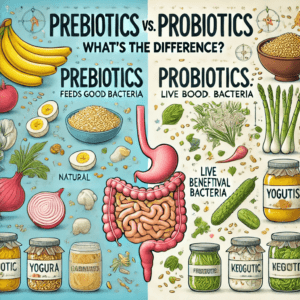
Prebiotics vs. Probiotics: Understanding the Difference & Why You Need Both | Best Gastroenterologist in Sola, Ahmedabad

Introduction

Your gut health plays a crucial role in your overall well-being. From digestion to immunity, a balanced gut microbiome is essential for maintaining optimal health. Prebiotics and probiotics are often mentioned as key components of a healthy gut, but many people are unaware of their differences and how they work together. In this blog, we will explore the difference between prebiotics and probiotics, their benefits, and why both are essential for your digestive health.

What Are Probiotics?

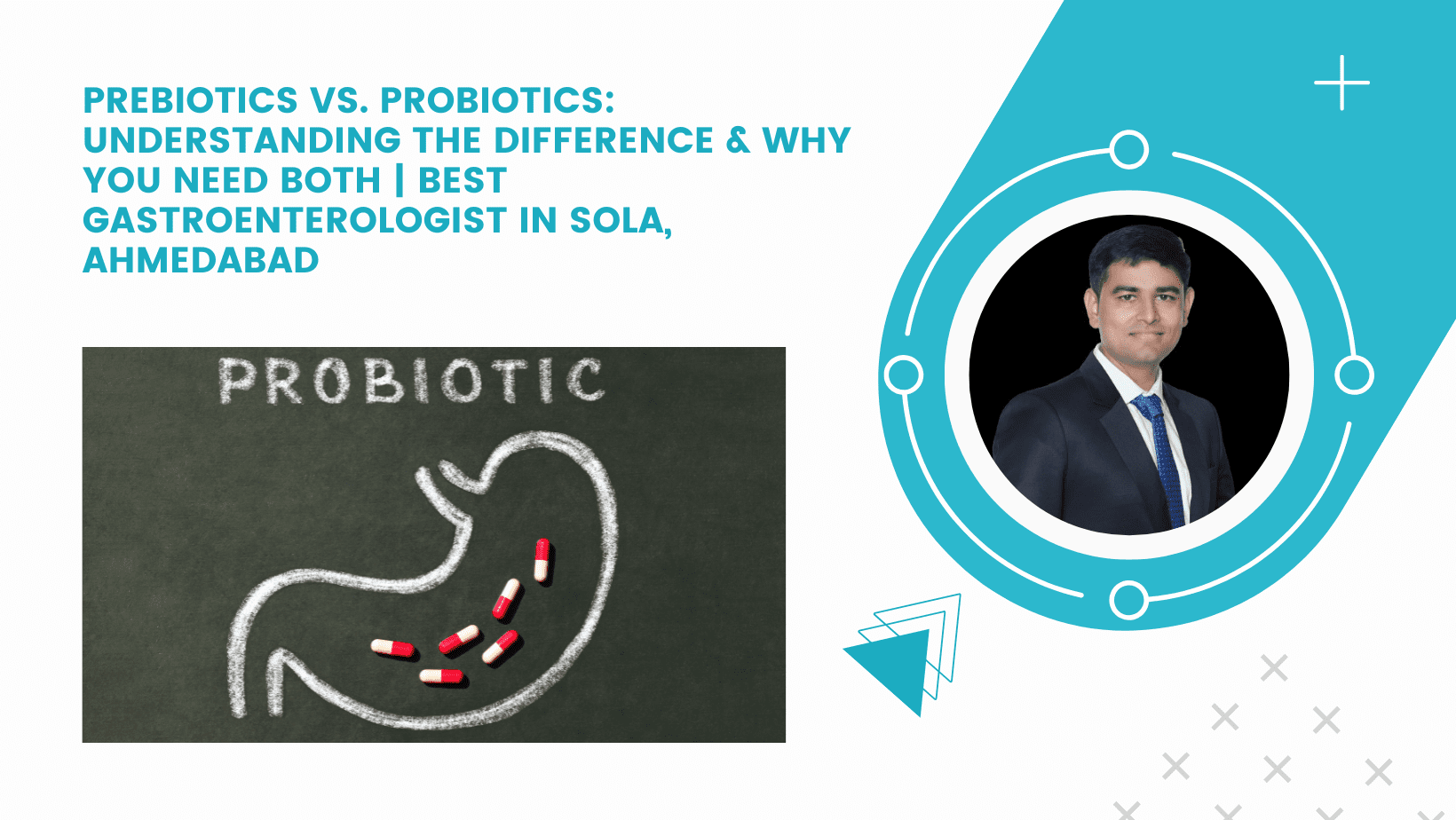
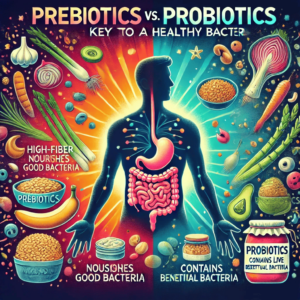
Probiotics are live beneficial bacteria that help balance the gut microbiome. These friendly bacteria support digestion, improve immunity, and prevent harmful bacteria from overgrowing in the intestines.

Sources of Probiotics:

  • Fermented Foods – Yogurt, kefir, sauerkraut, kimchi, miso, and tempeh.
  • Probiotic Supplements – Available in capsules, powders, and liquids to replenish gut bacteria.

Health Benefits of Probiotics:

✔ Improves digestion and nutrient absorption ✔ Helps reduce bloating and constipation ✔ Supports immune function and reduces infections ✔ Aids in the treatment of diarrhea, especially after antibiotics ✔ May help manage symptoms of IBS (Irritable Bowel Syndrome) and IBD (Inflammatory Bowel Disease)

What Are Prebiotics?

Prebiotics are non-digestible fibers that act as food for probiotics, helping them grow and thrive in the gut. Essentially, they create the right environment for beneficial bacteria to flourish.

Sources of Prebiotics:

  • Fruits & Vegetables – Bananas, onions, garlic, leeks, asparagus, and artichokes.
  • Whole Grains – Oats, barley, and whole wheat.
  • Legumes & Nuts – Chickpeas, lentils, and almonds.

Health Benefits of Prebiotics:

✔ Enhances the growth of good bacteria in the gut ✔ Helps in better digestion and reduces gut inflammation ✔ Improves mineral absorption, particularly calcium and magnesium ✔ Supports weight management and metabolic health ✔ Boosts immune function and reduces the risk of infections

Prebiotics vs. Probiotics: Key Differences

Feature Probiotics Prebiotics
Definition Live beneficial bacteria Food for beneficial bacteria
Function Improves gut flora balance Enhances growth of good bacteria
Sources Fermented foods & supplements Fiber-rich foods like vegetables and grains
Benefits Aids digestion, supports immunity Promotes gut health, supports metabolism

Why Do You Need Both Prebiotics & Probiotics?

Prebiotics and probiotics work synergistically to maintain gut health. While probiotics introduce beneficial bacteria, prebiotics provide the nourishment these bacteria need to thrive. If you consume probiotics without enough prebiotics, the beneficial bacteria may not survive long enough to provide their full health benefits.

How to Incorporate Both in Your Diet:

✅ Start your day with yogurt (probiotic) and a banana (prebiotic). ✅ Add fermented vegetables (kimchi, sauerkraut) to your meals. ✅ Include whole grains and fiber-rich foods in your diet. ✅ Take a prebiotic and probiotic supplement if recommended by a doctor.

When to See a Gastroenterologist?

If you experience persistent digestive issues like bloating, constipation, diarrhea, acid reflux, or abdominal pain, it’s time to consult a gastroenterologist. Ignoring gut health problems can lead to chronic digestive disorders and impact your overall health.

Book an Appointment with the Best Gastroenterologist in Sola, Ahmedabad

Dr. Hamikchandra Patel is an experienced Surgical Gastroenterologist & Laparoscopic Surgeon specializing in advanced treatments for digestive disorders. Whether you need advice on gut health, acid reflux, IBS, or any gastro-related concerns, expert consultation can help you achieve better digestive wellness. 📍 Location: Sola, Ahmedabad 📞 Contact: +91 951 203 9041

Conclusion

Both prebiotics and probiotics are essential for maintaining a healthy gut microbiome. Including these in your diet can improve digestion, boost immunity, and prevent digestive disorders. If you're experiencing gut health issues, don’t hesitate to consult the best gastroenterologist in Sola, Ahmedabad, for expert advice and personalized treatment. Take care of your gut, and it will take care of you!
Read more...

How Fecal Microbiota Transplant (FMT) is Revolutionizing Gastroenterology | Best Gastroenterologist Treatment Specialist in Sola, Ahmedabad

Introduction

Fecal Microbiota Transplantation, or FMT, is arguably the most intriguing development in the world of gastroenterology. It has vast potential in healing recurring gastrointestinal infections, especially those caused by antibiotic-resistant Clostridioides difficile infections (C. diff). This ground-breaking treatment acts by re-balancing the internal gut bacteria back to its original state, enhancing digestive health, and even having an impact on overall health. At Shaleen Hospital in Ahmedabad, Dr. Hamikchandra Patel is a top expert providing cutting-edge gastroenterology treatments, including FMT. When you need the top gastroenterologist treatment expert in Sola, Ahmedabad, look to Dr. Patel and his staff for cutting-edge medical care customized for individual patients.

What is Fecal Microbiota Transplantation (FMT)?

FMT is a treatment in which stool from a healthy donor is processed and transplanted into the gut of a patient with severe gastrointestinal disorders. This serves to repopulate the gut microbiome of the patient with good bacteria, restoring balance and fighting off pathogenic bacterial infections.
  • The treatment can be administered through various delivery methods, including:
  • Colonoscopy – The most used and efficient method, where healthy donor stool is infused into the colon.
  • Enema – A less effective method, but simpler in the long-term bacterial colonization.
  • Nasogastric or nasoduodenal tube – Where processed stool is administered via a tube inserted into the digestive system.
  • Oral capsules – A newer development that enables patients to take frozen or freeze-dried stool in capsule form.

The Science Behind FMT and Gut Microbiome Health

Gut microbiome is responsible for digestion, immunity, and even mental well-being. Dysbiosis, or imbalance of the gut bacteria, is associated with numerous gastrointestinal diseases such as C. difficile infection, irritable bowel syndrome (IBS), inflammatory bowel disease (IBD), and even metabolic diseases such as obesity and diabetes. FMT helps to restore the gut microbiota to a healthy state by introducing diverse, beneficial bacterial strains from a healthy donor. This reduces inflammation, promotes a balanced gut environment, and helps the body fight off recurrent infections.

Benefits of FMT in Gastroenterology

FMT has gained popularity due to its high success rate and potential applications beyond C. diff infections. Here are some key benefits:
  • High Success Rate in Treating C. difficile Infections
  • FMT has also proved to be effective at an 85-90% rate in curing recurring C. diff infections, far higher than with the use of antibiotics.
  • Possible Inflammatory Bowel Disease (IBD) Treatment
  • Studies have shown that FMT will decrease inflammation and symptoms in ulcerative colitis and Crohn's disease sufferers.
  • Restoring Balance to the Gut and Enhancing Immunity
  • A healthy microbiome helps to boost immunity and guard against future infection.
  • Assisting in Metabolic Disorders and Mental Health
There has been research implicating gut bacteria in metabolic conditions such as diabetes and obesity. FMT is thought to prevent weight gain as well as improve insulin resistance. The research of the gut-brain axis posits that FMT can also be used for the treatment of mental illnesses such as depression and anxiety.

Who Can Benefit from FMT

FMT is mostly utilized to treat patients with recurrent C. difficile infections that are unresponsive to antibiotics. Nevertheless, recent studies propound its uses for patients with: Ulcerative colitis and Crohn's disease
  • Irritable Bowel Syndrome (IBS)
  • Antibiotic-resistant infections
  • Autoimmune diseases associated with gut health
  • Metabolic disorders like obesity and Type 2 diabetes

Why Choose Dr. Hamikchandra Patel at Shaleen Hospital, Sola, Ahmedabad?

Specialized in Gastroenterology and Up-to-date Treatments Dr. Hamikchandra Patel is among the top gastroenterologists in Ahmedabad, recognized for his specialization in treating all types of gastrointestinal diseases. He is an expert in FMT, laparoscopic procedures, endoscopic treatments, and complex liver care.

State-of-the-Art Facilities at Shaleen Hospital

Shaleen Hospital is furnished with the latest medical equipment, providing high-level patient care. The hospital provides: Advanced diagnostic and therapeutic endoscopy
  • Minimally invasive laparoscopic procedures
  • 24/7 emergency gastro care
  • Comprehensive digestive health programs

Patient-Centered Care

Dr. Patel and staff emphasize patient welfare, creating customized treatment programs to suit individual patient requirements. They emphasize complete gut health for sustained recovery and prevention of disease.

The Shaleen Hospital FMT Process

If you're thinking of having FMT at Shaleen Hospital, here's what to anticipate:
  • Initial Consultation & Assessment
  • Careful examination of medical history, symptoms, and past treatments.
  • Donor Screening
  • Healthy donors are stringently screened to confirm they have no infectious diseases.
  • FMT Procedure
The transplant method (colonoscopy, enema, nasogastric tube, or capsules) is selected depending on the patient's status.
  • Post-Treatment Monitoring
  • Patients are closely monitored to monitor progress and avoid complications.
  • Long-Term Gut Health Management
Patients are given dietary and lifestyle advice to sustain a healthy microbiome.

Conclusion

Fecal Microbiota Transplantation is transforming gastrointestinal disease treatment through the potential of the gut microbiome. Its high success rate and ongoing study of new indications make FMT a game changer in gastroenterology. Residents of Sola, Ahmedabad, looking for the top gastroenterologist care specialist, Shaleen Hospital's Dr. Hamikchandra Patel ensures quality care, state-of-the-art procedures, and patient-focused treatment.

Book Your Consultation Today

If you are suffering from chronic gastrointestinal problems and wish to find out about FMT and other advanced therapies, go to drgastro.in or call Shaleen Hospital for professional medical guidance.
Read more...

The Gut Microbiome: How It Impacts Your Overall Health

The gut microbiome has been one of the most exciting areas of research in recent years, and it's no surprise why. Our understanding of the trillions of microorganisms living in our digestive system has exploded, revealing their profound influence not only on digestive health but also on overall wellness. The gut microbiome affects everything from digestion and immunity to mental health and even chronic diseases. In this blog, we’ll explore what the gut microbiome is, how it functions, and why maintaining a healthy balance is essential for your overall health.

What is the Gut Microbiome?

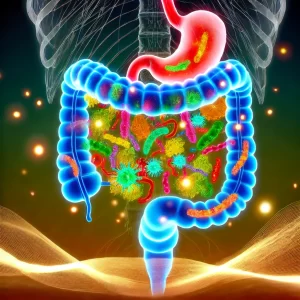
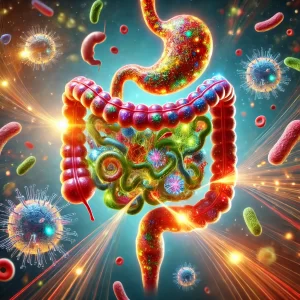
The gut microbiome refers to the complex ecosystem of microorganisms, including bacteria, viruses, fungi, and other microbes, that reside in the digestive tract. Most of these microorganisms live in the large intestine and play a vital role in various bodily functions.
  • Bacteria: The most researched component, particularly in terms of its role in digestion, immunity, and protection against harmful bacteria.
  • Viruses & Fungi: Less studied but also play important roles, such as regulating bacterial populations and influencing immunity.
  • Diversity: A more diverse microbiome is generally healthier, with a balance between “good” bacteria (like Lactobacillus) and “bad” bacteria kept in check.
Every individual’s gut microbiome is unique, influenced by factors like genetics, diet, environment, medications, and lifestyle. However, despite its uniqueness, certain traits of a healthy gut microbiome are universally beneficial. The Gut Microbiome

How Does the Gut Microbiome Affect Digestive Health?

1. Aiding Digestion and Nutrient Absorption The gut microbiome helps break down complex carbohydrates, fibers, and proteins that our digestive enzymes cannot handle on their own. By fermenting fiber, bacteria in the colon produce short-chain fatty acids (SCFAs), which play a key role in keeping the colon healthy and providing energy to the body.
  • Example: Bacteria like Bacteroides and Firmicutes help digest fibers and contribute to the production of essential vitamins like Vitamin K and some B vitamins.
2. Protecting Against Pathogens A healthy microbiome provides a barrier against harmful bacteria by competing for nutrients and space, preventing infections in the gut. This process, known as "colonization resistance," is essential for maintaining the integrity of the gut lining and reducing inflammation.
  • Example: Probiotic bacteria, like Lactobacillus and Bifidobacterium, can suppress harmful pathogens like Clostridium difficile, which can cause severe gastrointestinal infections.
3. Influencing Gastrointestinal Disorders Imbalance in the gut microbiome, also called dysbiosis, can contribute to several gastrointestinal conditions, such as:
  • Irritable Bowel Syndrome (IBS): Dysbiosis has been linked to IBS, with symptoms like bloating, diarrhea, and abdominal pain being tied to an imbalance of gut bacteria.
  • Inflammatory Bowel Disease (IBD): An imbalance in gut bacteria is thought to trigger immune responses that lead to inflammation in the gut, contributing to conditions like Crohn’s disease and ulcerative colitis.

The Gut Microbiome and the Immune System

About 70% of the body’s immune system resides in the gut, and the microbiome is intimately connected to it. The bacteria in your gut communicate with immune cells, helping to control the body’s response to infections.
  • Boosting Immunity: Certain gut bacteria help train the immune system, teaching it to differentiate between harmful invaders and the body’s own tissues, reducing the risk of autoimmune diseases.
  • Preventing Inflammation: A healthy gut microbiome keeps the intestinal lining strong and prevents harmful substances from passing into the bloodstream, a phenomenon known as “leaky gut.” When the gut barrier is compromised, inflammation can occur, leading to systemic immune responses.

The Gut-Brain Axis: How the Microbiome Affects Mental Health

The connection between your gut and brain, known as the gut-brain axis, is another crucial aspect of the microbiome's impact on overall health. This bidirectional communication pathway links emotional and cognitive centers of the brain with peripheral intestinal functions.
  • Serotonin Production: About 90% of the body’s serotonin, a neurotransmitter that regulates mood and anxiety, is produced in the gut. Gut bacteria influence serotonin production, affecting mood regulation and potentially playing a role in conditions like depression and anxiety.
  • Mental Health Disorders: Studies have shown that imbalances in gut bacteria may be associated with anxiety, depression, and even autism. This has led to research into using probiotics ("psychobiotics") to improve mental health.

The Role of the Gut Microbiome in Metabolism and Weight Management

The composition of your gut microbiome can affect how your body metabolizes food, potentially influencing weight gain, insulin resistance, and obesity. Certain bacteria are more efficient at extracting energy from food, which may contribute to weight gain if these bacteria are overrepresented.
  • Weight Gain: Studies have found that people with obesity tend to have lower microbiome diversity and a different ratio of bacterial species, such as an increase in Firmicutes relative to Bacteroidetes.
  • Blood Sugar Regulation: A healthy gut microbiome can help regulate blood sugar levels by influencing insulin sensitivity, reducing the risk of type 2 diabetes.
gastro

How to Maintain a Healthy Gut Microbiome

Maintaining the right balance in your gut microbiome is crucial for overall health. Here are some proven strategies to promote a healthy gut: 1. Eat a Diverse Range of Foods A varied diet rich in whole foods and fibers promotes microbial diversity, which is essential for a healthy gut. Include fruits, vegetables, whole grains, and legumes in your diet to feed beneficial bacteria.
  • Prebiotic Foods: Garlic, onions, asparagus, and bananas contain fibers that nourish beneficial gut bacteria.
2. Incorporate Probiotics Probiotics are live bacteria found in fermented foods and supplements that can improve gut health by restoring the balance of the microbiome.
  • Sources of Probiotics: Yogurt, kefir, sauerkraut, kimchi, and miso.
3. Limit Sugary and Processed Foods A diet high in sugar and processed foods can encourage the growth of harmful bacteria and lead to dysbiosis. Reducing the intake of these foods helps maintain a balanced gut microbiome. 4. Exercise Regularly Physical activity has been shown to increase the diversity of the gut microbiome and improve the overall balance of bacteria. 5. Manage Stress Chronic stress can disrupt the gut microbiome and weaken the gut-brain axis. Practices like meditation, yoga, and deep breathing can help reduce stress levels. 6. Avoid Unnecessary Antibiotics While antibiotics are crucial for treating bacterial infections, they also kill beneficial gut bacteria. Use antibiotics only when necessary and consider taking probiotics during and after treatment to help repopulate healthy bacteria.

Conclusion: Your Gut Microbiome is Key to Overall Health

The gut microbiome plays an indispensable role in not only your digestive health but also your immune function, mental well-being, metabolism, and beyond. Keeping your gut bacteria in balance can help prevent a range of health issues and improve your overall quality of life. By following simple lifestyle changes such as eating a varied diet, incorporating probiotics, managing stress, and staying active, you can support a healthy gut microbiome and enjoy the benefits it brings.
Read more...