Hernia Surgery in Ahmedabad: Cost, Recovery & Aftercare Tips

At Dr Gastro, we understand that when someone is diagnosed with a hernia, many questions arise: What does the surgery involve? How much will it cost? How long will it take to recover? If you’re looking for specialist care in Gujarat, then your search for hernia surgery in Ahmedabad ends here. Let’s walk through everything you need to know—costs, recovery timelines, and aftercare best practices.

What Is a Hernia—and Why Might Surgery Be Needed?

A hernia happens when an internal organ or tissue pushes through a weakened section of muscle or surrounding tissue wall—often in the abdomen or groin. Common types include inguinal (groin), umbilical (near the belly button), incisional (at a previous surgical site), and hiatal (upper abdomen). When conservative treatments don’t relieve symptoms—or if there is risk of complications like blockage or strangulation—a surgical repair becomes necessary. For those seeking trustedExpert care for hernia surgery in Ahmedabad, Dr Gastro offers advanced laparoscopic and open‑repair techniques to suit each patient’s unique condition. Cost of Hernia Surgery in Ahmedabad Understanding cost helps patients plan financially—not just the surgical fee but associated factors as well. Here’s what current data shows:
  • One source reports starting costs for laparoscopic hernia repair in Ahmedabad around ₹ 45,000, with averages up to ₹ 90,000‑₹ 1,20,000+. drishanshah.com+2HealthFinder+2
  • According to another provider, typical cost ranges for hernia surgery in Ahmedabad fall between ₹ 80,000 and ₹ 1,10,000. Pristyn Care+1
  • The actual cost depends heavily on factors such as the type of hernia (inguinal vs umbilical vs complex), the surgical technique used (open vs laparoscopic vs robotic), the hospital category (private/specialty vs government), room type, additional diagnostics, and surgeon fees. HexaHealth+1
Why Cost Varies
  • Surgical technique: Minimally invasive (laparoscopic or robotic) tends to cost more but offers faster recovery.
  • Hospital & room type: Premium hospitals, deluxe rooms, and extensive post‑op services raise costs.
  • Patient condition: More complex or recurrent hernias often require more time, intensive care, or mesh repair.
  • Mesh and materials used: Higher‑end medical mesh or special repair kits may add cost.
  • Pre‑ and post‑operative diagnostics & care: Scans, blood tests, longer hospital stay contribute to total.
Good to Know Even with variation, choosing a centre that balances expertise, equipment, and aftercare can drive better outcome—not just lower cost. If you’re considering hernia surgery in Ahmedabad, make sure cost clarity and quality of care go hand in hand. Recovery: What to Expect Recovery timeline varies based on surgery type, personal health, and hernia location. Below is a general guide: For Laparoscopic Repair
  • Hospital stay: Often 1–2 days, sometimes same‑day discharge in straightforward cases. Pristyn Care
  • Return to light activity: Within 2–4 days for many patients—but heavy lifting should be avoided for up to 4‑6 weeks.
  • Full recovery: Most able to resume most normal activity in 1–2 weeks, but full tissue healing takes longer.
For Open Repair
  • Hospital stay: 2–5 days depending on condition.
  • Moderate activity: Resume in 1–2 weeks, though heavy activity and full strength may take 4–6 weeks.
  • More caution: Because of larger incision and more tissue disruption, recovery is slower.
Common Post‑Op Tips
  • Walk soon after surgery: Promotes circulation and reduces risk of blood clots.
  • Manage pain: Use prescribed analgesics, avoid prolonged sitting which may strain.
  • Avoid heavy lifting or strenuous activity for at least 4‑6 weeks (longer if surgeon advises).
  • Monitor your wound: Watch for redness, swelling, fever—speak to your doctor if changes occur.
  • Ease back into exercise gradually: Core strengthening and abdominal support often introduced later.
Aftercare Tips to Ensure Smooth Healing & Long‑Term Success
  1. Follow diet recommendations: Eat well‑balanced meals, high in fibre to prevent constipation (which may strain surgical repair).
  2. Hydration & bowel habits: Drink ample water, consider gentle movement after meals to stimulate digestion.
  3. Avoid strain during bowel movements: Manage constipation with diet or mild laxatives if needed.
  4. Maintain ideal weight: Excess weight increases abdominal pressure and risk of recurrence.
  5. Support your incision: Use abdominal binder if directed, avoid pressure on repair area.
  6. Regular follow‑ups: Attend all post‑operative appointments so your surgeon can monitor recovery and intervene if needed.
  7. Know when to call your doctor: Persistent pain, bulging at incision, fever, vomiting, or unexpected swelling are signs of potential complication.
Why Choose Dr Gastro for Hernia Surgery in Ahmedabad
  • We specialise in hernia surgery in Ahmedabad, offering both laparoscopic and open repair under experienced general and Gastrointestinal surgeons.
  • We use state‑of‑the‑art equipment and follow international standards for surgical safety, asepsis and post‑operative care.
  • Our patient‑centric approach: personalised surgical plan, transparent cost breakdown, and comprehensive aftercare.
  • We emphasise minimal downtime and fast return to normal life: our goal is not just to fix the hernia—but to restore your quality of life.
Frequently Asked Questions (FAQ) Is surgery always necessary for a hernia? Not always. Small, asymptomatic hernias may be monitored—however, if you have pain, bulging, or recurrent issues, surgery is often recommended to avoid complications. Will my insurance cover hernia surgery? Yes. Most major health insurance policies in India treat hernia repair as medically necessary, so coverage is usually available—check your policy and the hospital’s empanelment. varadhospital.in Will the hernia come back after surgery? Recurrence risk exists if underlying factors (heavy lifting, chronic coughing, overweight) continue. Proper aftercare, lifestyle adjustments, and following your surgeon’s advice minimise the risk. Conclusion: Take the First Step Towards Relief If you’re dealing with a hernia and wondering about your options, it’s time to act. For reliable hernia surgery in Ahmedabad, Dr Gastro is here to help. Book a consultation, get a personalised surgical plan and cost estimate, and take your first step toward a healthier, stronger, pain‑free life. Contact us today to schedule your evaluation and discuss your hernia repair options with our expert team.
Read more...

Understanding Fatty Liver Disease: Causes, Risks, and Treatment Options

Fatty liver disease is becoming one of the most common liver conditions worldwide, affecting millions of people. Whether you’re in Ahmedabad or anywhere else, the rising prevalence of this condition highlights the importance of understanding its causes, risks, and treatment options. In this blog, we will explain what fatty liver disease is, the causes and risks associated with it, and how you can manage it with effective treatment options available at Fatty Liver Disease Treatment in Ahmedabad.

What Is Fatty Liver Disease?

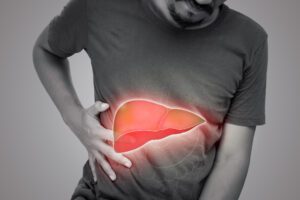
Fatty liver disease o ccurs when there is an excessive accumulation of fat in the liver cells. While it is common for the liver to store some fat, excessive fat can lead to inflammation, liver damage, and even liver failure in severe cases. There are two main types of fatty liver disease:
  • Non-Alcoholic Fatty Liver Disease (NAFLD): This is the most common type, typically related to factors like obesity, diabetes, and poor diet.
  • Alcoholic Fatty Liver Disease (AFLD): This occurs when excessive alcohol consumption leads to fat buildup in the liver.
Fatty liver disease can range from mild to severe, and in some cases, it can develop into cirrhosis or liver cancer if not treated.

Causes of Fatty Liver Disease (What Is Fatty Liver Disease?)

There are several factors that contribute to the development of fatty liver disease, and they vary depending on the type (NAFLD or AFLD). Common causes include:
  1. Obesity
Being overweight or obese is one of the primary risk factors for fatty liver disease. Excess body fat leads to fat accumulation in the liver, causing the condition to develop.
  1. Type 2 Diabetes
People with Type 2 diabetes are more likely to develop fatty liver disease due to insulin resistance, which affects the body’s ability to process fat.
  1. Poor Diet
A diet high in unhealthy fats, sugars, and processed foods increases the likelihood of fatty liver disease. Lack of nutrients and excessive calorie intake can overwhelm the liver.
  1. Excessive Alcohol Consumption
For those with alcoholic fatty liver disease, chronic and heavy alcohol consumption is a major cause. Alcohol interferes with the liver’s ability to process fats, leading to fat buildup.
  1. Genetics and Family History
If someone in your family has had fatty liver disease, you may be at an increased risk of developing it yourself.
  1. Medications
Certain medications, such as corticosteroids, can increase fat buildup in the liver. Always consult your doctor before making any changes to your medication regimen.
  1. Other Medical Conditions
High blood pressure, high cholesterol, and sleep apnea have also been associated with a higher risk of developing fatty liver disease. Risks Associated with Fatty Liver Disease If left untreated, fatty liver disease can lead to severe complications, such as:
  1. Cirrhosis
This is the most serious complication, where the liver becomes scarred and loses its ability to function properly. Cirrhosis is often irreversible and can lead to liver failure.
  1. Liver Cancer
Over time, the damage from fatty liver disease can increase the risk of liver cancer (hepatocellular carcinoma), especially in those with cirrhosis.
  1. Heart Disease
People with fatty liver disease are at a higher risk of developing cardiovascular problems, including heart attack and stroke.
  1. Liver Failure
In advanced stages, fatty liver disease can lead to liver failure, where the liver is no longer able to perform its essential functions, requiring a liver transplant in extreme cases.
  1. Diabetes and Other Metabolic Disorders
Fatty liver disease is closely linked with metabolic disorders like insulin resistance, which can worsen other chronic conditions such as diabetes. Treatment Options for Fatty Liver Disease If you’ve been diagnosed with fatty liver disease, there are several treatment options available. The first step is always to consult with a healthcare provider for an accurate diagnosis and personalized treatment plan.
  1. Lifestyle Changes
The most effective treatment for fatty liver disease is often lifestyle modification. This includes:
  • Losing weight: Even a small reduction in body weight can significantly improve liver health.
  • Improving diet: Eating a healthy, balanced diet rich in fruits, vegetables, whole grains, and lean proteins helps reduce fat accumulation in the liver.
  • Exercise: Regular physical activity, such as walking, swimming, or cycling, can help burn excess fat and improve liver function.
  1. Medications
While there are no specific medications approved to treat fatty liver disease directly, doctors may prescribe medications to manage associated conditions such as diabetes, high cholesterol, or high blood pressure. In some cases, vitamin E and other antioxidants may be recommended to reduce liver inflammation.
  1. Managing Underlying Conditions
Controlling risk factors like Type 2 diabetes, obesity, and high cholesterol can slow the progression of fatty liver disease and reduce the risk of complications. For individuals with alcoholic fatty liver disease, the most effective treatment is to stop drinking alcohol entirely.
  1. Regular Monitoring
For patients with advanced fatty liver disease, regular monitoring through blood tests and imaging studies is important to track liver health and catch complications early.
  1. Advanced Treatments
In severe cases of fatty liver disease, such as cirrhosis or liver failure, a liver transplant may be the only option. However, this is usually a last resort, after all other treatments have been exhausted. Why Choose Dr Gastro for Fatty Liver Disease Treatment in Ahmedabad? At Dr Gastro, we offer comprehensive diagnosis and treatment options for fatty liver disease. Whether you are in the early stages or need advanced treatment options, our expert team is here to help. We provide:
  • Advanced Diagnostic Tools: From blood tests to imaging studies, we use the latest technology to accurately diagnose and assess fatty liver disease.
  • Personalized Care Plans: Each patient is different, and we offer tailored treatment plans to ensure the best outcomes.
  • Experienced Team of Specialists: Our gastroenterologists are highly trained in managing liver conditions, including fatty liver disease.
  • Comprehensive Follow-up: We provide ongoing care to monitor your progress and adjust your treatment plan as needed.
Conclusion: Don’t Wait to Take Action Fatty liver disease can be a serious condition, but with the right care and treatment, it is manageable. Fatty liver disease treatment in Ahmedabad is available at Dr Gastro, where our team of experts will guide you through every step of your treatment. If you’re dealing with fatty liver disease symptoms, schedule a consultation today and take control of your liver health. With the right treatment, you can live a healthier, more active life. YouTube – Understanding Fatty Liver Disease Video Contact us today at Dr Gastro for personalized care and effective treatment options for fatty liver disease.
Read more...

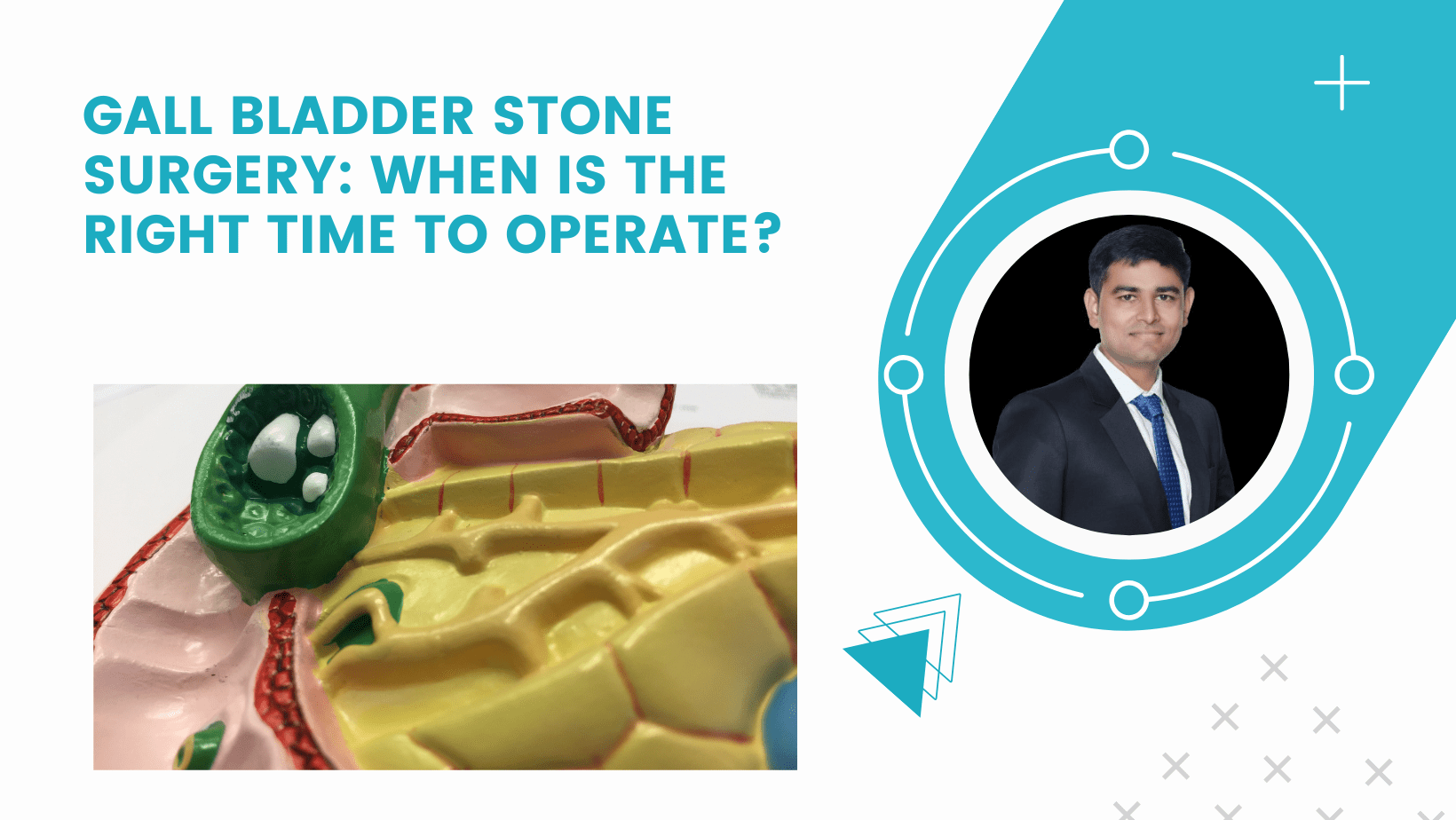
Gall Bladder Stone Surgery: When Is the Right Time to Operate?

Gall bladder stones are a common yet painful condition that can cause a variety of symptoms, from mild discomfort to severe pain. When it comes to treatment, surgery is often recommended if the condition worsens. At Dr Gastro, we specialize in Gall Bladder Stone Surgery in Ahmedabad, offering the latest surgical methods to ensure a quick and efficient recovery. But when is the right time to consider surgery? Let’s explore the signs, causes, and the best treatment options for gall bladder stones.

What Are Gall Bladder Stones?

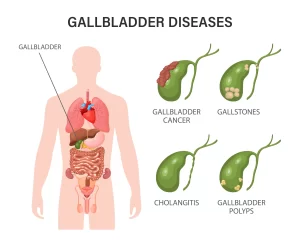
Gall bladder stones (also known as cholelithiasis) are hardened deposits of bile that form in the gall bladder. The gall bladder, a small organ located just beneath the liver, stores bile, which helps digest fats. These stones can vary in size and may be composed of cholesterol or bilirubin. Gall bladder stones may not cause immediate symptoms, but they can lead to painful complications if left untreated. In some cases, they can block the bile ducts, leading to a condition called cholecystitis or even jaundice, which is why it’s important to understand when surgery might be necessary. Symptoms of Gall Bladder Stones: When Should You Seek Treatment? Some people with gall bladder stones may not experience symptoms. However, if you’re dealing with any of the following, it might be time to consider gall bladder stone surgery in Ahmedabad:
  • Abdominal Pain: Often severe, this pain typically occurs in the upper right side of the abdomen and may last for several hours. It’s usually triggered after eating a fatty meal.
  • Indigestion and Bloating: Feeling full, bloated, or having indigestion after meals can be signs of gall stones.
  • Nausea or Vomiting: Persistent nausea and vomiting, particularly after eating, are common symptoms.
  • Jaundice: Yellowing of the skin or eyes can occur if a gall bladder stone blocks a bile duct.
  • Fever and Chills: If an infection is present, fever may develop, which requires immediate medical attention.
If you experience any of these symptoms, it’s best to consult a specialist for a diagnosis. When Is the Right Time for Gall Bladder Stone Surgery? The decision to have gall bladder stone surgery depends on several factors. Here are the key signs that surgery may be necessary:
  1. Frequent or Severe Pain
If you experience recurrent episodes of intense abdominal pain (biliary colic) due to gall stones, surgery might be recommended. These episodes can become more frequent and severe over time.
  1. Infection or Inflammation
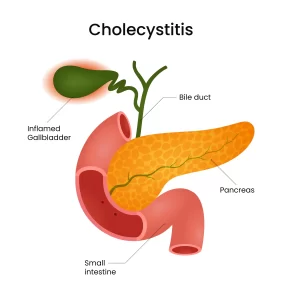
If a gall bladder stone causes infection (cholecystitis) or inflammation of the gall bladder, it becomes a medical emergency. In this case, gall bladder stone surgery in Ahmedabad is often the only treatment option to prevent serious complications like gall bladder rupture.
  1. Obstruction of the Bile Duct
When a gall stone blocks the bile duct, it can lead to jaundice, pancreatitis, and other life-threatening conditions. Surgery is needed to remove the stone and restore proper bile flow.
  1. Chronic Digestive Problems
If gall bladder stones are causing frequent digestive problems, such as nausea, bloating, or indigestion, it may be time to consider surgery for better long-term relief.
  1. Risk of Gall Bladder Cancer
Although rare, untreated gall bladder stones may increase the risk of gall bladder cancer. In cases of chronic inflammation or symptoms that do not resolve, surgery may be necessary as a preventive measure. Types of Gall Bladder Stone Surgery There are two primary types of surgeries for gall bladder stone removal:
  1. Laparoscopic Cholecystectomy (Minimally Invasive)
This is the most common method used for gall bladder stone surgery in Ahmedabad. It involves making small incisions in the abdomen, through which a camera and surgical tools are inserted. The gall bladder is then removed using these instruments. This method offers several advantages:
  • Smaller incisions and faster recovery time
  • Less pain after the procedure
  • Shorter hospital stay
  1. Open Cholecystectomy (Traditional Surgery)
In some cases, especially if there are complications or if the gall bladder is severely inflamed, a traditional open surgery may be necessary. This involves a larger incision and a longer recovery period. At Dr Gastro, our surgeons are experienced in both procedures, using the most appropriate method depending on the severity of the condition. What to Expect After Gall Bladder Stone Surgery After your surgery, recovery time will vary depending on the type of surgery performed:
  • Laparoscopic Surgery: Most patients can go home the same day or the next day. The recovery period typically lasts 1–2 weeks, and you can resume light activities shortly after.
  • Open Surgery: Recovery may take 4–6 weeks, as the procedure is more invasive. Hospital stays are longer, and you will need to avoid strenuous activities during this period.
Aftercare Tips:
  • Avoid fatty foods for a few weeks to allow your digestive system to adjust.
  • Stay hydrated and eat light, easy-to-digest meals initially.
  • Follow up with your surgeon for post-surgery checkups and monitoring.
Why Choose Dr Gastro for Gall Bladder Stone Surgery in Ahmedabad? At Dr Gastro, we offer the latest techniques for gall bladder stone surgery in Ahmedabad. Our team of expert gastroenterologists and surgeons provide personalized care, ensuring the best possible outcome for each patient.
  • Experienced Surgeons: Our surgeons are highly skilled in both laparoscopic and open surgery techniques.
  • State-of-the-art Facilities: We use advanced diagnostic tools and modern surgical equipment.
  • Comprehensive Care: From diagnosis to post-surgery recovery, we offer a full spectrum of care tailored to your needs.
Conclusion: Take the First Step Toward Relief If you are experiencing symptoms of gall bladder stones, it’s essential to get a professional opinion. Gall bladder stone surgery in Ahmedabad can provide lasting relief and prevent serious complications. Schedule a consultation today at Dr Gastro and take the first step toward a healthier, pain-free life. We are here to provide expert care for your gall bladder health.
Read more...

Piles Treatment in Ahmedabad: Symptoms, Causes & Best Care Options

At Dr Gastro, we understand that piles (also known as haemorrhoids) can be one of the most uncomfortable and embarrassing conditions many people face. But here’s the truth: you’re not alone — and effective, minimally‑invasive care is available right here in Ahmedabad. In this blog, we’ll walk you through what piles are, the causes, warning signs to watch for, and the best treatment and after‑care options so you can move back to comfort and confidence.

What Are Piles?

Piles (haemorrhoids) are swollen or inflamed veins in the lower part of the rectum and anus. They can occur internally (inside the rectum) or externally (beneath the skin around the anus). The irritation, pain, itching and bleeding associated with piles often lead people to seek treatment. The good news: many cases are treatable effectively. Piles treatment in Ahmedabad offers a range of solutions, from lifestyle changes to advanced medical treatments, ensuring relief from symptoms. Recognising Symptoms — Don’t Ignore Them Early recognition means better outcomes. Common symptoms include:
  • Bright red blood on the toilet paper or in the toilet bowl
  • Pain or discomfort when sitting or during bowel movements
  • Itching or irritation around the anus
  • A lump or swelling near the anus that may be sensitive or painful
  • Leakage of faeces or difficulty cleaning after a bowel movement
When you experience any of these signs, it’s a good idea to consult a specialist rather than ignoring the problem. Persistent bleeding or severe pain should prompt immediate attention. What Causes Piles? The Root Triggers Understanding why piles occur helps reduce recurrence. Key causes include:

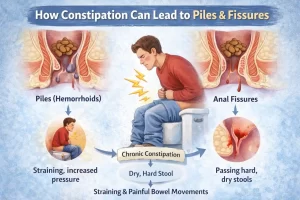
  • Constipation and straining during bowel movements: This is one of the most common factors. When you push hard or sit long on the toilet, pressure builds in the veins of the rectum and anus.
  • Pregnancy: The increased pressure in the abdomen, hormonal changes, and more frequent constipation contribute.
  • Sitting or standing for long periods, especially without movement — this means more pressure on the veins in your lower rectal area.
  • Heavy lifting or activities that increase intra‑abdominal pressure.
  • Obesity and a low‑fibre diet: Both slow digestion and increase straining.
  • Aging and weakened tissues: As we age, tissues that support veins in the rectum and anus can weaken, causing them to swell.
Grading & Severity — How Serious Is Your Condition? Piles are often categorised into grades I to IV depending on severity:
  • Grade I: Veins are swollen but remain inside the rectum.
  • Grade II: Veins bulge outside during bowel movements but reduce on their own.
  • Grade III: Veins bulge and must be pushed back manually.
  • Grade IV: Veins bulge and cannot be pushed back — may cause complications.
The earlier you catch it, the easier and less invasive the treatment tends to be. Best Care Options: From Home Management to Advanced Treatment Here’s how piles treatment in Ahmedabad helps patients across the full spectrum of care.
  1. Conservative & Lifestyle Intervention
For mild or early‑stage piles (Grade I‑II), these are often first‑line:
  • Increase dietary fibre (green vegetables, whole grains, pulses) and water intake
  • Avoid long periods of sitting or straining on the toilet
  • Gentle walk or movement after meals to improve bowel function
  • Use of over‑the‑counter creams or sitz baths to reduce discomfort
These lifestyle changes can relieve symptoms and prevent progression.
  1. Minimally Invasive Procedures
When lifestyle changes aren’t enough, we offer advanced, gentle treatments:
  • Rubber band ligation: A small band is placed at the base of the haemorrhoid to cut off its blood supply, causing it to shrink.
  • Infrared coagulation / laser therapy: A laser or infrared light shrinks haemorrhoids quickly and with less discomfort.
  • Sclerotherapy: A solution is injected into the vein to shrink it.
These techniques offer faster recovery, less pain, and fewer complications than traditional surgery.
  1. Surgical Intervention
For advanced cases (Grade III‑IV) or when other methods fail:
  • Haemorrhoidectomy: Surgical removal of problematic haemorrhoids.
  • Stapled haemorrhoidopexy: Less painful method that reduces blood flow to piles and fixes the tissue back in place. We ensure all procedures are performed in accredited hospitals with experienced colorectal surgeons.
Why Choose Dr Gastro in Ahmedabad?
  • We’re local to Ahmedabad – no need to travel far for expert care
  • Our team uses the latest proctology techniques, including laser and minimally invasive options
  • We personalise treatment – not a “one‑size‑fits‑all” approach
  • We emphasise after‑care and prevention, so your condition stays managed long term
Recovery & Aftercare: What to Expect
  • Resume light activity within 24‑48 hours post‑procedure (for minimally invasive treatments)
  • Avoid heavy lifting or straining for 1–2 weeks
  • Keep your diet rich in fibre and fluids; regular bowel movement is key to smooth recovery
  • Use sitz baths twice daily to reduce swelling and discomfort
  • Attend follow‑up appointments to monitor healing and prevent recurrence
With proper aftercare, most patients return to normal life quickly and comfortably. Questions You Might Have: FAQ Will I experience bleeding after treatment? Minimal bleeding may occur, especially after invasive procedures — but during recovery the proper post‑care ensures rapid healing. Can piles come back after treatment? Yes, there is recurrence risk if underlying factors (constipation, straining) aren’t addressed — which is why lifestyle intervention is vital. Is laser treatment safe? Yes — laser and other minimally invasive technologies are proven, safer, offer quicker recovery, and less pain. When Should You Consult a Specialist Immediately? Seek expert evaluation at Dr Gastro if you notice:
  • Significant bleeding during bowel movements
  • Persistent pain or discomfort despite home care
  • A prolapsed lump hanging outside that cannot be pushed back in
  • Changes in bowel habits or unexpected weight loss
These may indicate advanced piles or a different condition requiring timely intervention. Final Thoughts & Next Steps Don’t let discomfort, embarrassment or delay stop you from getting relief. Piles are common — but with the right care they are manageable and treatable. If you’re living in Ahmedabad and searching for reliable treatment options, expert guidance and long‑term relief, Dr Gastro is here for you. Schedule a consultation today at drgastro.in and take the first step toward a comfortable, confident, pain‑free life.
Read more...

Hernia Treatment Options in Ahmedabad: Exporing Effective Solutions For Relief

When you’re at a point of considering Hernia treatment in Ahmedabad, you probably know about symptoms, types, surgical vs non-surgical approach. But there’s more to the decision. What brings comfort and long-term relief in such treatments is familiarity with things like relief measures, cost transparency, hospital choices, prevention, and how you prepare beforehand. Here’s a guide to help you explore those often-overlooked aspects so you can make an informed decision for getting effective relief in the smartest way. Treatment for a hernia is specific to its type and severity. While surgery is the only permanent cure for most hernias, there are non-surgical measures that focus on symptom management and preventing complications. The most effective path depends on the type, size, and severity of the hernia, as well as the patient's overall health. Consulting a doctor for Hernia treatment in Ahmedabad is crucial to help determine the best plan to move forward. RELIEF MEASURES FOR DIFFERENT TYPES OF HERNIA: It is crucial to consult a doctor for a proper diagnosis and treatment plan, as an untreated hernia can lead to serious complications, such as strangulation. 

Inguinal hernia

The hernia appears as a bulge in the groin, which is the area between the lower abdomen and the thigh. This is a result of a weakness in the abdominal wall that allows fatty tissue or a portion of an organ, like the intestine, to bulge through. 
  • Maintain a healthy weight: Excess weight puts pressure on the abdominal wall. Losing weight can reduce this pressure and alleviate symptoms.
  • Manage chronic cough or constipation: Conditions that cause frequent straining should be treated immediately to prevent worsening a groin hernia. 
  •  Hernia belts: A supportive undergarment or belt can apply gentle, targeted pressure to keep the hernia in place and relieve discomfort. This is a temporary solution that should only be used under a doctor's guidance.
  • Recline to reduce the bulge: If it is a reducible hernia, lying flat on your back can aid the abdominal contents to return to their proper locations, providing relief.
Umbilical hernia The hernia occurs near or at the navel, which is where the umbilical cord was connected to the fetus. This happens if the opening in the abdominal wall for the umbilical cord hasn’t closed completely after birth. It can cause a soft swelling or bulge at the belly button, which may be more prominent when a baby cries or an adult strains or coughs
  • Gentle exercises: Physical therapy or gentle, low-impact exercises like walking, swimming or gentle yoga can strengthen core muscles without straining or increasing pressure on the abdomen.
  • Watchful waiting for infants: For young children, many umbilical hernias close on their own. A doctor may simply monitor it for Hernia treatment in Ahmedabad for kids.
  • Managing weight: In adults, similar to inguinal hernias, managing weight and avoiding abdominal strain are key to controlling symptoms.
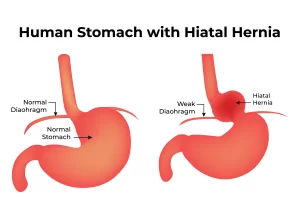
Hiatal hernia This hernia occurs when the upper part of the stomach pushes up through an opening in the diaphragm (the muscle that separates the abdomen and chest) into the chest cavity. This often causes acid reflux and heartburn.
  • Dietary adjustments: Avoiding large or heavy meals and foods that trigger heartburn, such as fried foods and caffeine, can provide relief. Eating smaller, more frequent meals and not lying down immediately after eating can help.
  • Elevate the head of the bed: Raising the head of your bed by a few inches can help prevent stomach acid from coming up the oesophagus while you sleep.
  • Quit smoking: Since smoking weakens connective tissues and increases the risk of acid reflux, quitting it can bring relief. 
  • Avoid tight clothing: Wear loose-fitting, comfortable clothes that don't put pressure on the abdominal area.
  •  Use pain medication: For general pain, over-the-counter pain relievers like acetaminophen or ibuprofen may be recommended by a doctor. For a hiatal hernia, medications like antacids can reduce stomach acid to relieve heartburn. 
Incisional hernia This hernia is located at the site of a previous surgical incision. It occurs when tissue, such as an organ or intestine, pushes through a weakened abdominal wall at a surgical scar. While they can happen anywhere an incision was made, they are most common along the midline of the abdomen, running from sternum down to the pubis.  
  • Protect the incision post-surgery: For a period after a major abdominal operation, you should avoid excessive straining and may be advised to wear a special abdominal binder to support the area.
  • Support during strenuous actions: If you need to cough, sneeze, or strain, holding a pillow firmly against your incision can help ease pain and support the area.
  • Physical therapy: Guided exercises may be recommended to strengthen the core muscles and provide gradual support. 
  •  Ice pack: Applying an ice pack can help reduce pain and swelling. Wrap it in a towel and apply for 10–15 minutes at a time. 
PREVENTIVE MEASURES Preventing hernia requires adopting lifestyle habits that reduce abdominal pressure and enhance muscle strength. Maintaining a healthy body weight is crucial, as excess weight strain on the abdominal wall can increase the risk of hernia formation. Regular physical activity, like planks and pelvic tilts strengthen the core, providing better support to internal organs. Use proper form when lifting objects by bending your knees and keeping your back straight to avoid straining. Maintain regular bowel movements by eating a diet that is high in fibre and stay hydrated. While these approaches do not cure hernias, they can play a pivotal role in symptom management and overall well-being. By adopting these preventive measures, individuals can significantly reduce their risk of developing a hernia and promote overall abdominal health. WHEN TO SEEK EMERGENCY CARE? While the measures mentioned above can provide relief in cases where doctors recommend waiting or monitoring the hernia, certain symptoms require prompt medical attention. Surgery is the definitive treatment for most hernias and is required if the hernia is painful, getting larger, or becomes incarcerated (trapped) or strangulated (blood supply cut off).  Seek Hernia treatment in Ahmedabad immediately in case of: 
  • Sudden, severe pain.
  • Redness, swelling, or discoloration over the hernia.
  • Fever, nausea, or vomiting.
  • A bulge that cannot be pushed back in (incarcerated hernia)
  It is important to realise that hernias are structural abnormalities that typically do not resolve without intervention. Therefore, individuals experiencing symptoms should consult healthcare professionals for Hernia treatment in Ahmedabad to determine the most appropriate course of action. By integrating these supportive measures, individuals can effectively manage hernia symptoms and improve their quality of life, all while incorporating surgical or non-surgical interventions as advised.
Read more...

Colon Cancer Awareness in Ahmedabad: Early Detection and Preventive Measures

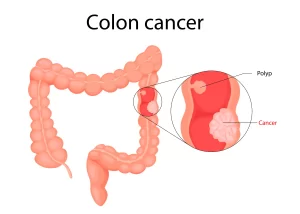
One of the most common types of cancer is Colon Cancer or colorectal cancer which affects both men and women worldwide. Colon cancer happens when cells in the colon develop changes in their DNA, causing them to multiply uncontrollably and form a tumour that can invade and spread to other parts of the body. Often, these cancers begin as non-cancerous growths called polyps that can become malignant over time. The number of cases is rising in India, which demands the necessity of awareness of its symptoms so that a person can seek timely medical treatment.   SYMPTOMS
  •       Abdominal pain
  •       Clueless weight loss
  •       Blood in the stool
  •       Weakness or fatigue
  •       Persistent abdominal discomfort such as gas, cramps, or bloating
  •       Changes in bowel movement are very common symptoms in Colon Cancer.
Sometimes, the abdominal pain and other non-specific symptoms mimic early signs of appendicitis, leading to incorrect diagnosis. If one is consistently experiencing these symptoms, seeking medical attention on immediate basis is important. If diagnosed timely, Colon Cancer treatment in Ahmedabad is not only accessible but also highly effective.

IMPORTANCE OF EARLY DIAGNOSIS:

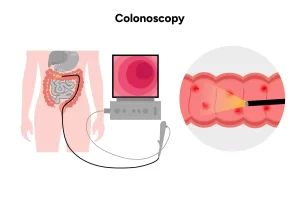
As the cases of Colon Cancer are rising in India, one can never be too careful in noticing and seeking medical attention for any signs of illness or weakness related to abdomen or bowel movements. When the symptoms are caught in the initial stage, it significantly increases survival rates and treatment is often less aggressive and more effective. Early diagnosis, sometimes before it bec omes cancer, can involve removing precancerous polyps during a colonoscopy.  Colon cancer is often called a silent killer. This is because in its developing stage, colon cancer can have symptoms that are very difficult to take note of. However, as the cancer progresses, symptoms like rectal bleeding, pain in abdomen and changes in bowel movement starts to appear more clearly. This time is crucial to consult a doctor for Colon Cancer treatment in Ahmedabad who can provide comprehensive care, including treating the cancer.   HOW TO DETECT COLON CANCER TIMELY? Screening on regular bases can be helpful in detecting colon cancer in its early stage. Even if a person has shown no symptoms of colon cancer, major medical guidelines suggest that screening can be helpful from around the age of 45 or more to be cautious and prevent it from developing unknowingly. Screening tests Colonoscopy: It is the most common amongst all screening tests. The entire rectum is examined in this method and abnormal growth or biopsies can be done if needed. Faecal Immunochemical Test: Commonly known as FIT, can be done by examining the stool to find any sign of colon cancer if present. CT Colonography: Also known as virtual colonoscopy is performed using low-dose X-rays to create images of the colon and rectum. Sigmoidoscopy: It is quite similar to a colonoscopy but it examines the lower part of the colon.   Imaging tests If screening tests indicate the presence of colon cancer, a doctor will typically recommend further, more specific diagnostic and imaging tests to confirm the diagnosis and determine the extent of the cancer to plan colon cancer treatment in Ahmedabad accordingly. CT Scans and MRI Scans: Done to get the detailed reports and identify whether the cancer is spreading to other parts of the body. Endorectal MRI: Done to determine whether the tumor has invaded nearby organs of the body.   TREATMENT There are various treatment options that doctors explore for Colon Cancer treatment in Ahmedabad. It is based upon the location and stage of the cancer as well as the patient’s overall health. Surgery to remove the tumor, chemotherapy and radiation therapy to kill cancer cells, and newer techniques like targeted therapy and immunotherapy are considered to treat the cancer.   RISK FACTORS Colon cancer can happen to anyone, but certain people are significantly at a higher risk than others. Factors that put some people at a greater risk of developing it include:
  •       Age: The risk of colon cancer increases significantly with age. Most diagnoses are occurring in people over 50 which is why 45 is the recommended screening age.
  •       History: Having had colorectal cancer previously or certain types of polyps increases risk of it developing again. A family history of colon cancer also increases the risk because one may inherit genetic predispositions. The risk is higher with a close relative (parent, sibling, child) who was diagnosed at a young age.
  • Inflammatory bowel disease: Long-term inflammatory bowel diseases like ulcerative colitis or Crohn's disease are associated with increased risk. 
  • Diet: High ratio of red meat and low ratio of fibrous food or heavy consumption of alcohol can increase risk.
  • Habits: Smoking and consuming or inhaling tobacco might raise your risk of cancer.
  • Physical movement: A sedentary lifestyle, not exercising regularly and excess weight may increase chances of cancer.
  • Previous radiation: Previous exposure of the abdomen to radiation therapy can increase risk. 
PREVENTIVE MEASURES By changing eating habits and following a healthier lifestyle, one can lower the risk of Colon Cancer. Include consumption of fruits, vegetables and whole grains for a high fibre diet, maintain a healthy weight by engaging in regular physical activity, quit smoking and limit red-meat and alcohol consumption if applicable.  It is also crucial to get regular colon cancer screenings especially for those who have a family history of this disease or are around the age of 45. COMMUNITY AWARENESS AND PREVENTIVE EFFORTS In Ahmedabad, increasing awareness about colon cancer is becoming a public health priority. Various hospitals, NGOs, and health organizations are actively organizing awareness camps, free screening programs, and educational workshops to encourage early detection. Government health departments also collaborate with private healthcare providers to promote colon cancer screening under preventive health check-up packages. Urban health centres and local hospitals for Colon Cancer treatment in Ahmedabad are now equipped with advanced diagnostic tools, making colonoscopy and imaging more accessible to residents. Public health campaigns in schools, offices, and community centres, social media initiatives led by doctors and cancer survivors also play a crucial role in breaking myths surrounding colon cancer and motivating people to undergo timely screenings. Furthermore, several hospitals in Ahmedabad offer nutritional counselling and psychological support for patients and families, ensuring holistic care throughout treatment and recovery. Raising awareness through education, accessibility, and community participation can substantially reduce colon cancer cases in Ahmedabad. By combining medical expertise with preventive lifestyle changes, we can move toward a healthier, cancer-aware future.
Read more...

Appendix Removal Surgery in Ahmedabad: What You Need To Know Before The Procedure

INTRODUCTION Appendix removal surgery, medically known as appendectomy is one of the most common emergency surgeries performed worldwide. Surgeries can be stress-inducing for a lot of people even when it’s a relatively common procedure like appendectomy. If you or someone you know is preparing to undergo Appendicitis treatment in Ahmedabad, here is a detailed guide of everything you should know about it. It will help you in many aspects like decision‐making for the surgery, the tests one needs to undergo before the surgery, types of surgery procedures, etc.

WHY APPENDECTOMY IS NECESSARY

If the appendix has not burst and the infection is well-contained, a doctor might go with antibiotics to reduce the infection. In cases where the appendix has burst and infection is severe, antibiotics may be used to bring the infection under control initially, scheduling surgery for a later date. In most cases doctors typically are in favour of surgical removal of appendix because once the inflammation sets in, leaving the appendix can risk rupture. A ruptured appendix can spill bacteria into the abdominal cavity leading to peritonitis or abscess formation, which are life-threatening complications. So, even centres that usually promote conservative approaches, recommend surgery (appendectomy) for Appendicitis treatment in Ahmedabad. IMPORTANCE OF PROMPT ACTION Appendicitis progresses rapidly because the obstruction leads to a bacterial infection and a lack of blood flow to the appendix, causing swelling, tissue decay, and a high risk of rupture.  Several factors can influence how quickly appendicitis can progress:
  •       A complete obstruction can cause pressure to build much faster than a partial one.
  •       Children and the elderly have a higher risk of rupture, due to less-developed or weakened immune responses.
  •       Taking painkillers can temporarily mask the symptoms, which allows the inflammation to progress unchecked.
Multiple studies have confirmed that the risk of appendiceal rupture increases significantly with a longer duration of untreated symptoms.   TYPES OF APPENDECTOMY PROCEDURES Before surgery, your surgeon will decide which technique is most appropriate for your specific situation. There are two main methods of surgery in this case. Laparoscopic Appendectomy: For Appendicitis treatment in Ahmedabad with laparoscopy, 2 to 3 very small incisions are made in the abdominal wall and carbon dioxide gas is used to inflate the abdomen to create more space to work. A laparoscope is a thin tube with a light and camera that is inserted through one incision, with specialized surgical instruments to carefully remove the appendix. The removed appendix is placed in a retrieval bag and extracted through one of the incisions. Finally, all the incisions are closed with staples, adhesive or sutures and dressed appropriately. Laparoscopy is a less invasive process. Advantages of this surgery:
  •       Less pain after operation
  •       Bowel function returns normal quicker.
  •       Shorter duration of stay at hospital.
  •       Faster healing as the scars are smaller.
Open Appendectomy: In this surgery, a larger and a single incision is made by the surgeon where the appendix is located. It is the most traditional way of surgery and it is widely used in complex cases or cases of torn appendix to get a direct access. Advantages of this surgery:
  • Wider surgical field
  • Lower equipment costs making it more cost-effective
  • Suitable for patients who cannot undergo laparoscopic surgery (due to pre-existing medical conditions or obesity)
  PRE-OPERATIVE STEPS: In case of diagnosis of appendicitis, surgery is scheduled as soon as possible. The preparation becomes urgent since this is considered a medical emergency. The exact timeline may vary depending on the patient's condition. However, doctors usually aim to perform Appendicitis treatment in Ahmedabad within 12 to 24 hours of diagnosis. Common preoperative preparation
  • Fasting: Patients are instructed to stop eating and drinking to prevent aspiration pneumonia during general anaesthesia.
  • IV fluids and medication: An intravenous drip is started to deliver fluids for hydration and antibiotics to treat or prevent infection.
  • Medical assessment: A comprehensive review of the patient's medical history, allergies, and existing conditions is conducted. An anaesthesiologist will also conduct pre-anaesthesia evaluation to specifically assess a patient's cardiac and respiratory status.
  • Bowel preparation (less common): While not standard for most appendicitis cases, bowel preparation may be done if a bowel perforation is suspected. 
  POSSIBLE COMPLICATIONS Though appendectomy is relatively safe and a common surgery, there can be certain risks in complicated or delayed cases. Some potential complications include wound infection, bleeding or injury to organs located near the appendix. If the appendix has ruptured before surgery, patient may have abscess formation or peritonitis (infection in the abdominal cavity), increasing both surgical complexity and post-operative risk.   WHAT TO EXPECT AFTER THE SURGERY?
  • Hospital Stay: In many laparoscopic cases, patients may be required to stay only for a couple of days in the hospital. In open surgeries however, the stay is often slightly longer, depending on the patient’s condition.
  • Pain Management: Post surgery pain is regulated with pain relieving medications prescribed by doctors for appendicitis treatment in Ahmedabad.
  • Diet & Bowel Function: Initially, patients are kept on liquid diet and then gradually switched to soft, regular food. Stool softeners might be given to ease discomfort until bowel movements begin to normalise. The sooner a patient can start gentle walking, the better it supports bowel function and prevents complications like blood clots.
  •  Recovery time: 
Post surgery avoid taking any physical strain, until your surgeon gives the green light. Although full recovery typically takes about 4–6 weeks, patients can resume light routine activities within the first 2 weeks, especially after a laparoscopic procedure. Open surgery generally demands a longer healing period.   TIPS FOR PATIENTS & THEIR FAMILY
  • Do not hesitate to ask the surgeon questions about risks, expected recovery, and post-operative instructions.
  • Strictly follow the instructions given by your doctor after Appendicitis treatment in Ahmedabad. Complying with directions given to you regarding preoperative fasting, discontinuing certain medicines (like blood thinners), wound care, and follow-up visits is crucial.
  • Be on the lookout for warning signs. Fever, increasing pain, redness, pus discharge at incision sites, or persistent vomiting should be brought to the doctor’s attention immediately.
  • It is completely normal for the patient to be worried. The anticipation and recovery period can be emotionally taxing. At such a time, emotional support and patience are just as important as medical care.
Read more...

Appendicitis Symptoms in Ahmedabad: How to Recognise Early Signs And Seek Treatment

The appendix is a narrow, worm-shaped (vermiform) organ in the lower right side of the abdomen, attached to the cecum (the beginning of the large intestine). While it was considered a vestigial organ, modern science suggests that the appendix acts as a reservoir for beneficial gut bacteria and contains immune tissue, including lymphoid cells, which are crucial for the body's immune response. Although the human body can survive without an appendix, untreated appendicitis can lead to bursting of the appendix, causing widespread inflammation, which makes it a life-threatening emergency.  CAUSES Inflammation and swelling of the appendix, that is most often caused by an obstruction, is called appendicitis. This is a medical emergency that necessitates prompt Appendicitis treatment in Ahmedabad to prevent severe complications. Appendicitis can have more than one cause, these include:
  • Blocked opening of the appendix: This blockage could be a result of fecaliths(a hardened lump of stool), or ingested foreign objects causing buildup of bacteria and infection.
  • Enlarged lymphoid tissue: Infection or inflammation can cause the lymphoid tissue in the appendix to swell.
  • Parasites: Intestinal worms or other parasites can obstruct the appendix.
  • Tumours: Although rare, benign or malignant tumours in or near the appendix, can cause an obstruction. 
  • Colitis: An inflammation of the colon, can spread to the appendix (secondary appendicitis).
 

COMMON SYMPTOMS OF APPENDICITIS

  •       Abdominal pain:
It is usually the most noticeable symptom. Acute appendicitis causes sudden pain around the navel that shifts to the lower right abdomen, worsening rapidly within 24 to 48 hours. Chronic appendicitis, on the other hand, involves milder ache that comes and goes over a longer period, making it harder to diagnose. However, the hallmark sign of appendicitis in either case is that the pain intensifies with movement, coughing, or sneezing. If the abdominal pain you experience is persistent or worsening, check for other symptoms of appendicitis.
  •       Swelling and Tenderness in lower right part:
Lower right side of the abdomen may become swollen, tender, or painful when pressed. Doctors before going for Appendicitis treatment in Ahmedabad often check if the pain worsens after releasing pressure on the abdomen (rebound tenderness). If so, this indicates irritation of the abdominal lining.
  •       Fever and Chills:
As the body fights infection, fever and chills may develop. This may intensify if the appendix ruptures, signalling spread of infection to the abdominal cavity.
  •       Nausea and Loss of Appetite
Many people experience nausea and vomiting, which naturally reduces the desire to eat. Inflamed appendix affects digestion and causes irritation in the digestive tract, making this a very common symptom.
  •       Changes in Bowel Habits:
Some people may have complaints of bowel problems, such as constipation, diarrhoea or an inability to pass gas.   IMPORTANCE OF RECOGNISING EARLY SIGNS One of the biggest challenges with diagnosis of appendicitis is that early symptoms are very similar to other digestive issues like gas, acidity, or stomach flu. While stomach flu and acid reflux are often temporary problems that improve with time, appendicitis is a medical emergency that worsens without treatment. Timely Appendicitis treatment in Ahmedabad can prevent complications like perforation, peritonitis, abscess, sepsis, or bowel obstruction. Early indicators
  •       Mild Abdominal Discomfort: Unexplained cramping in the abdomen near the navel
  •       Low-Grade Fever: Even a slight increase in body temperature that doesn’t subside
  •       Fatigue: Feeling more lethargic than usual or just not feeling right (malaise)
  •       Loss of Appetite: Sudden lack of interest in food
If you suspect appendicitis, do not take painkillers without consulting a doctor, as they can mask symptoms.   DIAGNOSIS AND SEEKING TREATMENT If you notice any of the signs or symptoms of appendicitis, seek medical care urgently. Diagnosis of appendicitis involves careful medical evaluation since its symptoms can resemble many other conditions. Doctors in Ahmedabad typically use a combination of the following methods: When visiting a healthcare provider, be prepared to provide a detailed description of your symptoms, including when they started, their severity, and any factors that worsen or alleviate them. A physical examination, including tests such as blood work and imaging studies like ultrasound or CT scan, may be necessary to confirm the diagnosis.
  • Physical Examination: The doctor presses on specific areas of the abdomen to check for tenderness or swelling.
  • Blood Tests: To look for signs of inflammation and infection, such as high white blood cell count.
  • Urine Tests(Urinalysis): To rule out conditions that have similar symptoms such as urinary tract infections or kidney stones
  • Imaging Tests: To confirm a diagnosis of appendicitis, and identify complications, if any. Common tests include:
1) C T scan (Computed Tomography): Considered the most accurate imaging test for diagnosing appendicitis in adults.  2) Ultrasound: An inexpensive, widely available, non-invasive option that is suitable when radiation exposure needs to be avoided, particularly in cases of children and pregnant women. Timely Appendicitis treatment in Ahmedabad ensures that complications are minimized and recovery is faster.   CHALLENGES AND VARIATIONS IN VULNERABLE POPULATIONS: Appendicitis in children, pregnant women, the elderly, and immunocompromised individuals can present atypical symptoms compared to the general adult population. These deviations complicate the diagnostic process.
  • Children: Infants and young children often display vague symptoms which are difficult for them to communicate. This makes it hard for doctors to distinguish it from other common childhood illnesses with similar symptoms, leading to a higher risk of delayed diagnosis. Also, the progression to complications like perforation is often faster in children compared to adults. 
  • Pregnant women: The appendicitis pain that is typically experienced in the lower right abdomen can be felt in the upper right part of the abdomen by pregnant women as the expanding uterus pushes the appendix higher. The WBC count is also naturally elevated in pregnant women. This can mask the elevated levels typically seen with appendicitis, delaying diagnosis and potentially resulting in severe complications for both mother and foetus. 
  • Elderly patients: They often have chronic conditions like heart and kidney diseases and take medications that can mask or mimic the symptoms of appendicitis. Other common symptoms of appendicitis like loss of appetite, nausea, or malaise can be easily attributed to age-related issues in cases of elderly people, resulting in misdiagnosis.
  •       Immunocompromised patients: Patients with weakened immune systems (e.g., due to HIV/AIDS, cancer, or organ transplants) may not exhibit classic inflammatory signs like fever or elevated white blood cell count. Delayed diagnosis in these patients leads to a higher rate of complications, including severe sepsis.
  To conclude, the significance of early detection in appendicitis cannot be overstated. Symptoms such as abdominal pain, nausea, and fever should not be ignored, as they may be indicators of appendicitis.  While the condition can develop rapidly, early detection can significantly reduce the likelihood of complications.
Read more...
hernia treatment in ahmedabad

Hernia Treatment in Ahmedabad: Surgical & Non-Surgical Solutions Explained

A hernia occurs when an organ or tissue pushes through a weak spot in the muscle or connective tissue that holds it in place. This condition is often visible as a bulge or lump and can cause significant discomfort. If you're looking for Hernia Treatment in Ahmedabad, it's important to understand the different types of hernias, symptoms, and the most effective treatment options available. This guide explains both surgical and non-surgical solutions to help you make an informed decision.

What is a Hernia?

A hernia occurs when an organ or fat pushes through a weak or damaged area in the surrounding muscle or connective tissue. Hernias can appear in various parts of the body, most commonly in the abdomen, groin, and upper thigh. While some hernias are not painful, they can become uncomfortable and lead to serious complications if left untreated.

Types of Hernias

  1. Inguinal Hernia: The most common type, occurring in the groin area.

  2. Umbilical Hernia: A bulge near the belly button, often seen in infants but can also occur in adults.

  3. Hiatal Hernia: When part of the stomach pushes through the diaphragm into the chest cavity.

  4. Incisional Hernia: Develops at the site of a previous surgical incision.

  5. Femoral Hernia: A less common type that occurs in the upper thigh near the groin.

Symptoms of a Hernia

While some hernias may not cause immediate symptoms, most individuals will experience some of the following signs:

  • Visible bulge in the affected area, often more prominent when coughing or standing.

  • Pain or discomfort at the site, especially when lifting, bending, or after physical activity.

  • Feeling of heaviness or pressure in the abdomen.

  • Nausea, vomiting, or constipation (in severe cases, especially if the hernia is strangulated).

If you notice any of these symptoms, it's important to consult a healthcare provider promptly. Untreated hernias can lead to complications, including bowel obstruction or strangulation, which require emergency treatment.

Non-Surgical Hernia Treatment Options

In some cases, hernias may not require immediate surgery, especially if the hernia is small and not causing any significant symptoms. Here are the non-surgical hernia treatment options:

1. Watchful Waiting

If your hernia is small and not causing any discomfort, your doctor may recommend a wait-and-see approach, especially if you are not experiencing any significant symptoms. Regular check-ups will help monitor the size of the hernia and ensure that it doesn't become more problematic.

2. Hernia Belts and Trusses

Hernia belts or trusses are supportive garments designed to hold the hernia in place and reduce the bulging. These are often recommended for individuals who are not candidates for surgery or those with a very mild hernia. While these devices may reduce discomfort, they do not treat the hernia and are typically used as a temporary solution.

3. Lifestyle Modifications

Certain lifestyle changes can help manage hernia symptoms and prevent them from getting worse. These include:

  • Avoiding heavy lifting: Straining can make the hernia worse.

  • Maintaining a healthy weight: Excess weight can put added pressure on the abdomen, worsening the hernia.

  • Eating a high-fiber diet: This helps avoid constipation and straining during bowel movements, which can aggravate hernias.

  • Gentle exercises: Low-impact exercises can help strengthen muscles around the hernia site without causing additional strain.

While these methods can help manage symptoms, they don’t cure the hernia, and surgery may still be necessary in the future.

Surgical Solutions for Hernia Treatment

When a hernia causes significant pain, grows in size, or leads to complications, surgery is typically the most effective solution. Here are the most common surgical treatments for hernias:

1. Laparoscopic Surgery (Minimally Invasive)

Laparoscopic surgery is a modern, minimally invasive method for hernia repair. A small incision is made in the abdomen, and a tiny camera is inserted to view the hernia site. The surgeon then uses small instruments to repair the hernia with mesh material.

Benefits of laparoscopic surgery:

  • Smaller incisions result in less pain and quicker recovery.

  • Shorter hospital stay and faster return to normal activities.

  • Less scarring compared to traditional open surgery.

Laparoscopic surgery is ideal for most types of hernias and has become the standard of care due to its numerous advantages over traditional methods.

2. Open Surgery

In open surgery, a larger incision is made in the affected area, and the hernia is pushed back into place. The surgeon then closes the defect in the muscle wall and reinforces it with mesh to prevent recurrence. This technique is commonly used for larger hernias or in cases where laparoscopic surgery may not be suitable.

Advantages of open surgery:

  • Suitable for larger or more complicated hernias.

  • Proven track record with successful outcomes.

However, it involves a longer recovery time and a higher risk of complications such as infection or bleeding compared to laparoscopic surgery.

3. Robotic Surgery

In some advanced medical centres, robotic-assisted surgery is used for hernia repair. This procedure combines the precision of robotic arms with the expertise of a surgeon, allowing for more precise movements and smaller incisions.

Benefits of robotic surgery:

  • Enhanced precision and control, leading to less trauma to the surrounding tissues.

  • Shorter recovery time and less pain post-surgery.

  • Smaller incisions, reducing the risk of infection and scarring.

While robotic surgery is a promising option, it is typically more expensive than traditional laparoscopic surgery and may not be available at all healthcare facilities.

Recovery After Hernia Surgery

After hernia surgery, recovery time can vary based on the type of procedure performed, your general health, and the size of the hernia. Here are some general recovery guidelines:

  • Post-operative care: You will be monitored for a short time after surgery to ensure no complications.

  • Pain management: Pain is usually mild to moderate after laparoscopic surgery and can be controlled with over-the-counter pain medications.

  • Return to work: Most people can return to light work after 1–2 weeks, but it may take 4–6 weeks to return to full activity, especially if the surgery was more extensive.

  • Avoid heavy lifting: Refrain from lifting heavy objects or engaging in strenuous activities for about 6 weeks to avoid straining the repair site.

Follow-up appointments will be scheduled to ensure proper healing and check for any signs of recurrence.


Why Choose Ahmedabad for Hernia Treatment?

Ahmedabad is a healthcare hub with some of the most experienced surgeons and modern medical facilities offering Hernia Treatment in Ahmedabad. Here’s why you should consider Ahmedabad for your hernia treatment:

  • Expert surgeons: Ahmedabad boasts highly skilled surgeons specializing in both laparoscopic and open hernia surgeries.

  • State-of-the-art hospitals: The city is home to advanced medical centres with cutting-edge diagnostic and surgical technology.

  • Comprehensive care: From diagnosis to post-surgery rehabilitation, you’ll receive complete care under one roof.

By choosing a trusted clinic in Ahmedabad, you can ensure you’re receiving world-class care.

When to Seek Emergency Care

If you experience any of the following symptoms, seek emergency medical attention immediately:

  • Sudden severe pain in the abdomen, often indicating strangulation.

  • Nausea, vomiting, or fever, which can signal a bowel obstruction.

  • Inability to pass gas or have a bowel movement, which may indicate a serious complication.

These symptoms require urgent surgical intervention to avoid life-threatening complications.

The Bottom Line

Whether you're dealing with a small bulge or significant pain, Hernia Treatment in Ahmedabad offers a range of surgical and non-surgical options. Minimally invasive procedures like laparoscopic surgery provide excellent results with faster recovery, while open surgery may be required for larger or more complex hernias.

For expert diagnosis and treatment, consult a leading gastroenterologist or surgeon today through drgastro.in to explore the best options for your hernia treatment.

Read more...
Fissure Treatment in Ahmedabad

Fissure Treatment in Ahmedabad: Best Medical & Home-Care Options

An anal fissure is a tear or crack in the skin around the anus, causing significant discomfort, especially during or after bowel movements. If you're searching for Fissure Treatment in Ahmedabad, this comprehensive guide will walk you through the causes, symptoms, and the best treatment options available. Whether you're looking for medical treatments or effective home-care methods, we’ve got you covered.

What is an Anal Fissure?

An anal fissure is a small tear or crack in the skin of the anus. It often occurs when hard or large stools stretch the skin during bowel movements. Fissures can be very painful, especially when they result in bleeding and swelling.

Common Causes

  • Constipation: Straining to pass hard stools is the leading cause of anal fissures.

  • Diarrhea: Chronic diarrhea or frequent bowel movements can irritate and tear the anal lining.

  • Childbirth: Women may develop fissures after vaginal delivery due to the stretching of the anal area.

  • Anal intercourse: May contribute to trauma to the anal skin, leading to fissures.

  • Other conditions: Inflammatory bowel disease (IBD), such as Crohn’s disease, can also lead to fissures.

Key Symptoms

  • Sharp pain during or after bowel movements

  • Blood on the toilet paper or in the toilet bowl (typically bright red)

  • Itching or irritation around the anus

  • Visible tear or crack around the anal area

  • Swelling or a lump near the fissure, sometimes with a skin tag

If left untreated, fissures can become chronic and may require more intensive treatment. Early detection and care can help prevent complications.

When to Seek Medical Help

If you experience persistent pain, bleeding, or discomfort lasting more than a few days, it’s time to seek expert Fissure Treatment in Ahmedabad. Left untreated, an anal fissure can become chronic and harder to heal.

Diagnosis

To diagnose an anal fissure, your doctor will conduct a physical examination of the anal area. In some cases, a proctoscope (a small tube with a light) may be used to inspect the anal canal more closely. If needed, further tests will be conducted to rule out other conditions like hemorrhoids or inflammatory bowel disease (IBD).

Best Medical Treatment Options

While many fissures heal on their own with proper care, severe or chronic cases may require medical intervention. Below are the most common medical treatments for fissures:

1. Medications

  • Topical Nitroglycerin Cream: This is used to increase blood flow to the area, which helps relax the anal sphincter muscle and promote healing.

  • Calcium Channel Blockers: Medications like diltiazem or nifedipine are used to reduce muscle spasms and improve blood flow to the affected area.

  • Pain Relief: Over-the-counter pain medications, such as ibuprofen, can help manage pain and inflammation.

  • Stool Softeners: These help ensure that stools remain soft, which reduces the strain during bowel movements and promotes healing.

2. Botox Injections

  • Botulinum toxin (Botox) injections are sometimes used to relax the anal sphincter muscle and allow the fissure to heal. This treatment is often recommended for chronic fissures that do not respond to other methods.

3. Surgery

In cases of chronic fissures that do not heal with conservative treatments, a lateral internal sphincterotomy may be recommended. This procedure involves cutting a small portion of the anal sphincter muscle to reduce spasm and allow the fissure to heal. It is generally safe and highly effective but is usually reserved for severe or persistent cases.

Effective Home-Care Tips for Fissure Treatment

Along with medical treatments, incorporating home-care strategies can greatly aid in healing and reducing discomfort. Here are some of the best home-care options for fissure treatment in Ahmedabad:

1. Warm Sitz Baths

A sitz bath involves sitting in warm water for 10–15 minutes several times a day, especially after bowel movements. The warm water soothes the area, reduces swelling, and promotes blood flow to help the fissure heal faster. Adding Epsom salts to the bath may further help with healing.

2. High-Fiber Diet

One of the primary causes of anal fissures is constipation, so a diet rich in fiber can prevent further straining. Foods such as:

  • Whole grains

  • Fruits and vegetables

  • Legumes and beans

Fiber softens stools and promotes regular bowel movements, reducing the pressure on the anal area. Drinking plenty of water is also essential to prevent dehydration and maintain bowel regularity.

3. Stool Softeners

Using over-the-counter stool softeners can help keep stools soft, reducing strain during bowel movements. This can be an important part of both preventing and treating fissures.

4. Topical Treatments

You can apply petroleum jelly or lanolin cream to the fissure to keep the area moisturized, which can reduce pain and promote healing. Avoid using harsh soaps or scented products that may irritate the sensitive skin around the anus.

5. Avoiding Straining

Don’t strain during bowel movements. Take your time, and if you feel the urge to go, respond to it promptly. Waiting too long to have a bowel movement can lead to harder stools, which increases the risk of developing fissures.

Preventing Recurrence of Anal Fissures

Once healed, it’s important to continue with habits that prevent future fissures:

  • Maintain a high-fiber diet to ensure stools remain soft and easy to pass.

  • Stay hydrated by drinking plenty of water to keep stools soft.

  • Exercise regularly to promote regular bowel movements.

  • Don’t delay bowel movements—respond to the urge as soon as possible to avoid constipation and strain.

  • Use gentle wipes instead of toilet paper, as wiping can irritate the sensitive area.

Fissure Treatment in Ahmedabad

Why Choose Ahmedabad for Fissure Treatment?

Ahmedabad has become a leading city for advanced gastroenterology care. Here's why:

  • Expert care: Skilled gastroenterologists and colorectal surgeons specialise in non-surgical and surgical treatments for fissures.

  • State-of-the-art facilities: Top hospitals are equipped with modern technologies for accurate diagnosis and effective treatment.

  • Comprehensive services: From medical treatments to home-care guidance, Ahmedabad offers holistic care for long-term relief.

Choosing a clinic in Ahmedabad ensures you receive personalised care in a city known for its healthcare excellence.

When to Seek Immediate Medical Help

If you experience any of the following symptoms, it’s important to seek medical help immediately:

  • Severe pain that doesn’t subside with home treatments

  • Excessive bleeding during or after bowel movements

  • Persistent swelling or a lump near the anus

  • Fever or signs of infection (e.g., chills or redness)

These could indicate complications such as an infection or abscess that requires urgent care.

The Bottom Line

Anal fissures are common but treatable. Whether you’re looking for conservative home-care options or more advanced medical treatments, Fissure Treatment in Ahmedabad offers a range of effective solutions. By combining professional care with lifestyle changes, most patients can expect a full recovery and lasting relief.

If you’re dealing with the discomfort of an anal fissure, don’t wait. Schedule a consultation today with a leading gastroenterologist through drgastro.in to get expert care and start your healing journey.

Read more...