“Gas” or Gallstones? Why Heavy Wedding Food Triggers Sudden Stomach Pain

The wedding season is one of the most exciting and joyous times of the year, especially in India, where grand celebrations are at the heart of every tradition. However, among the festivities, music, and dance, many people face an unexpected and unpleasant experience: sudden stomach pain after indulging in heavy wedding food. While this discomfort is often dismissed as gas, there could be another underlying issue at play, like gallstones. Understanding the difference between gas and gallstone-related pain is crucial, as it can help you take the right steps for treatment and prevention. In this blog, we will explore why heavy wedding food triggers stomach pain, how to differentiate between gas and gallstones, and what you can do to prevent it. At Dr. Gastro, a trusted gastroenterologist in Ahmedabad, we are dedicated to providing expert advice and care for all your digestive concerns. Let’s delve into the relationship between heavy foods and digestive issues, and help you understand how to protect your stomach this wedding season.

Why Heavy Wedding Food Triggers Stomach Pain

Wedding banquets are known for their indulgent dishes—rich, spicy curries, deep-fried snacks, sweet desserts, and heavy meats. While all these foods contribute to the festive mood, they can wreak havoc on your digestive system, leading to discomfort and pain. Here's why:
  1. Overeating and Large Portion Sizes: During weddings, it’s easy to indulge in large portions of food due to the abundance of delicious options. Overeating stretches the stomach, putting pressure on the digestive system. This can lead to bloating, gas, and indigestion, causing discomfort in the abdomen.
  2. Fatty and Oily Foods: Many wedding dishes are high in fat and oils, such as deep-fried items, creamy gravies, and rich meats. These foods take longer to digest, which can lead to feelings of fullness, bloating, and discomfort. Additionally, high-fat foods stimulate the production of stomach acid, which can cause acid reflux or indigestion.
  3. Spicy and Heavy Ingredients: Spicy foods, common in Indian wedding dishes, can irritate the lining of the stomach and intestines. Spices like chili, mustard, and garlic can trigger acid reflux or worsen gastric issues, especially if consumed in excess. For people with sensitive digestive systems, these foods can exacerbate symptoms of heartburn and indigestion.
  4. Alcohol and Carbonated Drinks: Alcohol is often consumed in large quantities at weddings, leading to stomach irritation. Carbonated beverages like sodas can also contribute to bloating and gas. Both of these can trigger acid reflux, bloating, and distension, causing discomfort in the upper abdomen.
  5. Stress and Anxiety: Weddings can be stressful, with the pressure of attending events, meeting family members, and dealing with the excitement. Stress can disrupt the digestive process, slowing it down and making it harder for the body to break down food properly. This can contribute to indigestion, bloating, and discomfort.
   

Is It Gas or Gallstones? Understanding the Difference

When stomach pain occurs after eating heavy food at a wedding, it’s common to assume it’s just gas or indigestion. However, in some cases, the pain could be a sign of a more serious condition like gallstones. Here’s how you can tell the difference:
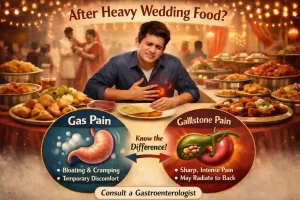
  1. Gas:

Gas pain occurs when there is a buildup of gas in the stomach or intestines. This can happen after consuming heavy, greasy, or spicy foods, especially in large quantities. Symptoms of gas:
  • Bloating or feeling full
  • Sharp or cramp-like pain in the abdomen, especially after eating
  • Frequent burping or passing gas
  • Pain that comes and goes, often relieved by passing gas or a bowel movement
  • A feeling of heaviness or discomfort after meals
Cause of Gas:
  • Overeating
  • Consumption of foods that are difficult to digest (fatty, spicy, or fibrous foods)
  • Carbonated drinks and alcohol
  • Swallowing air while eating or drinking
Relief: Gas pain is typically temporary and can be relieved by passing gas, taking a walk, or consuming over-the-counter remedies like simethicone (e.g., Gas-X). A warm compress or gentle abdominal massage can also help.
  1. Gallstones:

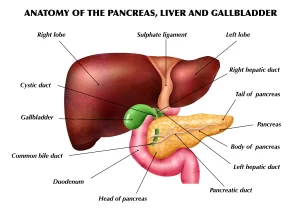
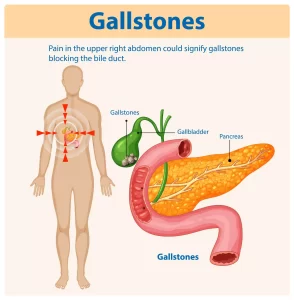
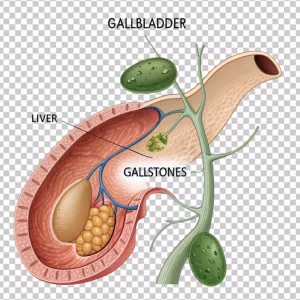
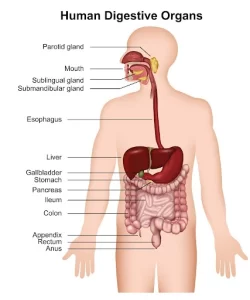
Gallstones are hardened deposits of bile in the gallbladder, a small organ located beneath the liver. These stones can block the normal flow of bile into the intestines, causing pain. Gallstone-related pain typically occurs after eating a fatty meal, as the gallbladder is responsible for breaking down fats. Symptoms of gallstones:
  • Severe, steady pain in the upper abdomen or right side, often radiating to the back or shoulder
  • Pain that lasts from 30 minutes to several hours
  • Nausea and vomiting
  • Fever (if the gallbladder is inflamed or infected)
  • Jaundice (yellowing of the skin or eyes in severe cases)
Cause of Gallstones:
  • A high-fat diet
  • Obesity or being overweight
  • Rapid weight loss (from dieting or surgery)
  • Genetics or family history
  • Age (more common in people over 40)
  • Gender (more common in women)
Relief: Gallstone pain often requires medical intervention. In some cases, the stones may need to be removed through a procedure called cholecystectomy (removal of the gallbladder). If you suspect gallstones, it’s essential to consult with a gastroenterologist for a proper diagnosis and treatment.    

How to Prevent Stomach Pain and Digestive Issues This Wedding Season

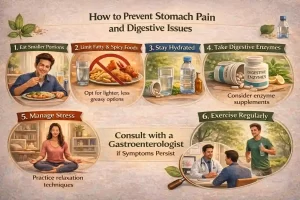
Whether it’s gas, gallstones, or simple indigestion, there are steps you can take to avoid stomach pain and discomfort during the wedding season:
  1. Moderate Your Portions: Avoid overeating at wedding feasts. Eat smaller portions and chew your food thoroughly to aid digestion.
  2. Limit Fatty and Spicy Foods: While rich wedding dishes are tempting, try to limit your intake of fried, greasy, or spicy foods. Opt for lighter options when possible to prevent acid reflux and indigestion.
  3. Stay Hydrated: Drink plenty of water throughout the day, especially if you’re indulging in alcohol. Staying hydrated helps your digestive system process food more efficiently and prevents dehydration, which can worsen constipation and bloating.
  4. Take Digestive Enzymes: If you have a sensitive stomach, consider taking over-the-counter digestive enzyme supplements before meals. These can help break down fats and improve digestion, reducing the risk of bloating and discomfort.
  5. Avoid Stress: Weddings can be stressful, but try to manage your stress levels. Take breaks when needed, practice relaxation techniques, and avoid rushing meals.
  6. Exercise Regularly: Regular physical activity helps keep your digestive system moving and reduces bloating. If you feel discomfort after a heavy meal, take a short walk to help relieve gas and improve digestion.
  7. Consult with a Gastroenterologist: If you’re experiencing frequent or severe stomach pain, it’s essential to consult a gastroenterologist. Dr. Gastro specializes in diagnosing and treating digestive issues like gas, gallstones, acid reflux, and other gastrointestinal conditions.

Conclusion: Know the Difference, Protect Your Health

While the heavy, rich foods at weddings are a treat, they can trigger digestive issues like gas and, in some cases, gallstones. By understanding the symptoms and causes of both conditions, you can avoid unnecessary discomfort this wedding season. At Dr. Gastro, we are committed to helping you maintain optimal digestive health, whether you’re dealing with occasional indigestion or more serious conditions like gallstones. If you're experiencing frequent stomach pain or suspect a more serious issue, don’t hesitate to seek professional help.
Read more...

Stomach Pain After New Year’s? How to Tell if It’s Acidity or a Pancreas Issue

The New Year often brings celebrations, indulgent foods, and a break from routine. While it's a time for joy and reflection, it can also lead to digestive discomfort. If you're experiencing stomach pain after the festivities, you're not alone. The combination of overeating, consuming rich or spicy foods, alcohol, and stress can wreak havoc on your digestive system. But how do you know if your stomach pain is simply due to acidity or something more serious like a pancreas issue? At Dr. Gastro, a trusted gastroenterologist in Ahmedabad, we understand that stomach pain can be caused by a variety of factors. In this blog, we'll help you distinguish between acidity and a potential pancreas problem, so you can take the right steps toward relief and recovery.

Understanding Acidity: A Common Culprit

Acidity (or acid reflux) occurs when the stomach's acidic contents flow back into the esophagus. This happens when the lower esophageal sphincter (LES), a valve at the bottom of the esophagus, fails to close properly. It is one of the most common causes of stomach pain, especially after heavy meals or indulgence in acidic or spicy foods.

Symptoms of Acidity:

  • Burning sensation in the chest or upper stomach (heartburn)
  • Bloating or a feeling of fullness
  • Regurgitation of sour or bitter liquid into the throat or mouth
  • Belching or frequent burping
  • Nausea after meals
  • Pain or discomfort in the stomach or chest that may get worse after eating

What Causes Acidity?

  • Overeating: Large, heavy meals stretch the stomach, increasing acid production.
  • Spicy, oily foods: These can irritate the stomach lining, triggering acid reflux.
  • Alcohol and caffeine: These can relax the LES and increase stomach acid production.
  • Stress: Increased anxiety or stress can worsen symptoms.
  • Lying down after meals: This can allow stomach acid to flow back into the esophagus.

How to Manage Acidity:

  • Antacids: Over-the-counter medications like Tums, Gaviscon, or Maalox can help neutralize stomach acid.
  • Dietary adjustments: Avoid acidic foods (like citrus, tomatoes), spicy foods, and alcohol. Opt for smaller, more frequent meals.
  • Elevate your head: If you experience acidity at night, try sleeping with your head elevated to prevent acid reflux.
   

When Stomach Pain Could Indicate a Pancreas Issue

The pancreas is a crucial organ located behind the stomach, and its primary role is to aid in digestion and regulate blood sugar levels. When the pancreas becomes inflamed or infected, it can lead to pancreatitis, a serious condition that requires immediate medical attention.

Symptoms of Pancreatitis:

  • Severe, sudden abdominal pain: The pain is usually felt in the upper abdomen and may radiate to the back. It may feel like a constant, dull ache or a sharp, stabbing pain.
  • Pain after eating: Unlike acidity, which often occurs after eating certain foods, pancreas-related pain tends to worsen after eating, especially fatty foods.
  • Nausea and vomiting: You may feel extremely nauseous and even throw up, which can worsen the discomfort.
  • Bloating: The abdomen may feel bloated, and you may experience difficulty digesting food.
  • Fever: A mild fever can occur along with other symptoms, indicating inflammation or infection.
  • Unexplained weight loss: This can occur over time if the pancreas isn’t functioning properly, especially in chronic pancreatitis.

What Causes Pancreatitis?

  • Alcohol consumption: Excessive drinking, especially over the holidays, can trigger an acute pancreatitis attack.
  • Gallstones: These can block the bile duct, causing inflammation in the pancreas.
  • High-fat diet: A diet high in fat, especially over time, can increase the risk of pancreatitis.
  • Trauma or injury: Any trauma to the abdomen can affect the pancreas, leading to inflammation.
  • Chronic conditions: Certain medical conditions like cystic fibrosis, high cholesterol, or high triglycerides can increase the risk of pancreatitis.

How to Manage Pancreatitis:

  • Immediate medical attention: If you suspect pancreatitis, seek medical help immediately. It’s a medical emergency and requires a doctor’s intervention.
  • Hospitalization: In severe cases, hospitalization may be necessary for intravenous fluids, medications, and other treatments.
  • Avoid alcohol: If pancreatitis is caused by alcohol consumption, stopping drinking is crucial for recovery.
  • Dietary changes: A low-fat diet is recommended to reduce stress on the pancreas.

How to Tell the Difference Between Acidity and Pancreas Issues

Here are some key differences between acidity and a potential pancreas issue:
Acidity Pancreatitis (Pancreas Issue)
Occurs after eating spicy, fatty, or acidic foods. Pain usually worsens after eating, especially fatty foods.
Mild to moderate pain, typically relieved by antacids. Severe, persistent pain that doesn’t go away easily.
Usually accompanied by heartburn, belching, and regurgitation. Associated with nausea, vomiting, fever, and bloating.
Common and generally less serious. Medical emergency, requires immediate attention.
Relieved by dietary changes and medications. May require hospitalization and medical intervention.
   

When to See a Doctor

If you experience severe or persistent stomach pain, especially after eating, it's important to seek professional help. Here’s when you should contact Dr. Gastro:
  • Severe, radiating pain in the upper abdomen, especially if it feels sharp and persistent.
  • Pain after eating fatty foods that doesn’t subside with rest or antacids.
  • Nausea, vomiting, or fever along with abdominal pain.
  • If you feel lightheaded or have trouble breathing, seek emergency care immediately.
For those experiencing regular acidity symptoms that don’t improve with lifestyle changes or over-the-counter medication, it’s also a good idea to consult a gastroenterologist for a thorough evaluation.

Conclusion: Don’t Ignore Stomach Pain

Whether it's due to acidity or a more serious pancreas issue, stomach pain after the holidays shouldn’t be ignored. If you’re dealing with persistent discomfort, it's crucial to identify the root cause so you can get the right treatment. At Dr. Gastro, we provide expert care and diagnosis for all your gastrointestinal concerns, from acidity to pancreatitis. If you’re experiencing any of the symptoms mentioned in this blog, don’t hesitate to reach out to Dr. Gastro for a consultation. We’ll help you get the relief you need and ensure your digestive health is back on track.
Read more...
Best gastro in ahmedabad

Why Winter Worsens Constipation: 5 Tips to Avoid Piles & Fissures this Season

As the winter months settle in, many people experience changes in their body’s rhythm. One common problem that worsens during this time is constipation. The cold weather not only impacts your mood but can also have adverse effects on your digestive health, leading to uncomfortable conditions like piles and anal fissures. Dr. Gastro, your trusted gastroenterologist in Ahmedabad, understands the seasonal health concerns associated with winter and offers expert advice to help you avoid constipation and related conditions. In this blog, we’ll explore why winter exacerbates constipation and provide 5 essential tips to keep your digestive system healthy during the colder months.

Why Winter Worsens Constipation:

The drop in temperature and changes in your daily habits during winter can directly affect your bowel movements. Here's why constipation can be a bigger issue during the colder season:
  1. Decreased Water Intake: During winter, people tend to drink less water due to the cold weather, not realizing that dehydration is one of the biggest contributors to constipation. When your body is dehydrated, the colon absorbs more water from the stool, leading to harder, drier stools that are difficult to pass.
  2. Reduced Physical Activity: Winter months often mean less physical activity. Cold weather, shorter days, and the comfort of staying indoors can discourage outdoor activities like walking or exercising. Physical inactivity slows down digestion and can contribute to constipation.
  3. Changes in Diet: The colder months tend to encourage comfort foods, which are often heavy and low in fiber. Foods high in fat and sugar and low in fiber can significantly disrupt your digestive system and worsen constipation.
  4. Body's Response to Cold Weather: The body’s natural response to cold weather can lead to a sluggish digestive system. During winter, the body focuses on preserving warmth, which can slow down metabolic and digestive processes, contributing to constipation.
  5. Less Sunlight and Reduced Vitamin D: Winter brings shorter days and less sunlight, leading to a drop in Vitamin D levels. Low Vitamin D can affect the functioning of your digestive system, contributing to constipation and related complications.
   

5 Tips to Avoid Piles & Fissures this Winter

If you're prone to constipation, it’s crucial to take extra care during the winter months. Without proper management, constipation can lead to complications like piles (hemorrhoids) and anal fissures—painful conditions that require medical treatment. Fortunately, with a few simple changes to your routine, you can minimize the risk of constipation and its associated issues this season.
  1. Stay Hydrated

During winter, it's easy to forget about hydration since we don’t feel as thirsty. However, water plays a crucial role in softening stool and promoting regular bowel movements. Aim to drink at least 8 glasses of water a day, even if you don’t feel thirsty. Herbal teas or warm water can be a good option to keep your body hydrated without feeling chilled. Tip: Start your day with a glass of warm water or a hot herbal tea. This can help kick-start your digestive system and encourage bowel movements.
  1. Increase Fiber Intake

Fiber is essential for proper digestion. It adds bulk to the stool and helps it move through the digestive tract smoothly. Winter foods like root vegetables, whole grains, and legumes are great sources of fiber that can prevent constipation. Include apples, pears, oats, spinach, and beans in your diet to ensure that your digestive system stays healthy. Tip: Incorporate more fiber-rich foods in your meals. Add ground flaxseeds or chia seeds to your morning smoothie or yogurt for a fiber boost.
  1. Maintain Regular Physical Activity

Even though the cold weather may discourage outdoor activities, it's important to keep your body moving. Regular exercise promotes good circulation and helps maintain healthy digestion. Even a 30-minute walk each day can significantly improve bowel movement frequency and consistency. Yoga, stretching, or even indoor exercises like dancing can also help stimulate digestion. Tip: Try to stay active by doing a 10-minute stretch or walk after meals. This simple habit can aid digestion and prevent constipation.
  1. Use a Humidifier to Prevent Dry Air

The air indoors during winter can be dry due to heating systems, which can cause dehydration. Dry air can also dry out your skin and mucous membranes, including the digestive tract. Using a humidifier in your bedroom or living area can help keep moisture in the air, preventing dehydration that can worsen constipation. Tip: Keep a humidifier in your room or place a bowl of water near the heater to help maintain air moisture levels.
  1. Establish a Routine and Listen to Your Body

In the colder months, it’s easy to ignore the body's natural urges to go to the bathroom, especially when you're cozy at home. However, delaying or ignoring the urge to go can lead to constipation and even more severe conditions like piles or fissures. Try to establish a regular bathroom routine and listen to your body's signals. Tip: Aim to visit the bathroom at the same time each day to help train your body to have regular bowel movements. Don’t rush, and give yourself enough time to fully relieve yourself.    

How Constipation Leads to Piles & Fissures:

Chronic constipation can cause a number of complications, with piles (hemorrhoids) and anal fissures being the most common. Here’s how they develop:
  • Piles (Hemorrhoids): These are swollen veins in the rectum or anus, often caused by the straining associated with constipation. Straining can also increase pressure, making hemorrhoids painful and prone to bleeding.
  • Anal Fissures: These are small tears in the skin around the anus, often caused by passing hard or dry stools. These tears can be very painful, especially during bowel movements.
Both conditions can be avoided or minimized with proper management of constipation through hydration, fiber, and regular physical activity.

When to See a Doctor

If you’ve tried the tips above but are still experiencing persistent constipation or discomfort, it’s important to consult a gastroenterologist. If you’re dealing with hemorrhoids or anal fissures, seek professional medical treatment to avoid further complications. Dr. Gastro, the leading gastroenterologist in Ahmedabad, can help you identify the root cause of your digestive issues and provide personalized treatment.

Conclusion

Winter can make constipation worse, but with the right habits, you can prevent the discomfort and complications that come with it. Staying hydrated, eating a fiber-rich diet, staying active, and establishing a routine are essential steps in managing constipation and avoiding conditions like piles and fissures. At Dr. Gastro, we believe in providing proactive solutions to your digestive health. If you’re struggling with constipation or related issues this winter, contact us today for expert advice and treatment tailored to your needs.
Read more...
best gastro ahmedabad

Can You Reverse Fatty Liver? A Guide to Managing MASLD

If you have recently had an ultrasound or blood work done, you might have heard your doctor say something like: "Everything looks fine, but you have a little bit of fatty liver. Try to eat better." You are not alone. It is estimated that 1 in 4 adults worldwide has excess fat in their liver. It is the most common chronic liver disease on the planet. For years, this condition was brushed off as a minor issue. But in the medical community, the alarm bells are ringing. We now know that fatty liver is not just a benign condition—it is a "silent epidemic" that can lead to severe scarring (cirrhosis), liver failure, and even cancer if left unchecked. The good news? The liver is the only organ in your body that can regenerate. Unlike heart disease or kidney damage, fatty liver is often 100% reversible if caught early. In this guide, we will break down the new name for the disease (MASLD), the silent symptoms you might be missing, and the exact roadmap to healing your liver.

First: Why Is the Name Changing? (NAFLD vs. MASLD)

If you are researching online, you will see two acronyms: NAFLD and MASLD. They refer to the same condition, but the medical world is undergoing a major re-branding.
  • The Old Name: Non-Alcoholic Fatty Liver Disease (NAFLD).
    • The Problem: This defined the disease by what it wasn't (alcohol-related). It was confusing and stigmatizing.
  • The New Name: Metabolic Dysfunction-Associated Steatotic Liver Disease (MASLD).
    • The Benefit: This name tells us the cause. It links liver health directly to your metabolism—specifically how your body handles sugar, insulin, and weight.
For the purpose of this article, we will use "Fatty Liver" and "MASLD" interchangeably.    

What Is Happening Inside Your Liver?

Your liver is the body's filter and chemical factory. It processes everything you eat and drink. A healthy liver should contain little to no fat. When you consume more calories—specifically from sugars and refined carbohydrates—than your body can burn, the liver turns that excess energy into fat molecules (triglycerides). These fat cells infiltrate the liver tissue. Think of it like a sponge soaked in grease.
  1. Steatosis (Simple Fatty Liver): There is fat, but no inflammation. The liver is working, but it’s under stress.
  2. MASH (Metabolic Dysfunction-Associated Steatohepatitis): The fat is now causing inflammation. The liver cells are swelling and dying. This is the danger zone.
  3. Fibrosis/Cirrhosis: The liver tries to heal the inflammation by creating scar tissue. Eventually, the liver becomes hard and lumpy (cirrhosis), leading to permanent failure.

The "Silent" Symptoms: How to Know If You Have It

The scariest part of MASLD is that it is usually asymptomatic until the damage is advanced. You cannot "feel" your liver getting fatter. However, many patients report subtle signs that they often attribute to aging or stress:
  • Chronic Fatigue: A deep tiredness that sleep doesn't fix. The liver regulates energy storage; when it’s struggling, your energy crashes.
  • Right Upper Quadrant Discomfort: A dull ache or feeling of "fullness" under your right rib cage. This isn't usually sharp pain; it’s the sensation of the liver physically enlarging and pressing on its capsule.
  • Brain Fog: Difficulty concentrating or feeling "fuzzy."
  • Signs of Insulin Resistance: Dark patches of skin on the neck or armpits (Acanthosis Nigricans) or skin tags.

Diagnosis: Beyond the Blood Test

"But my blood work was normal!" We hear this often. Standard liver enzymes (AST and ALT) can be completely normal even in patients with significant fatty liver. You cannot rely on basic blood work alone. To get a true picture, Gastroenterologists use:
  1. Ultrasound: Good for seeing if fat is present.
  2. FibroScan (Transient Elastography): This is a game-changer. It is a specialized ultrasound that measures the stiffness of your liver. It tells us specifically if you have scarring (Fibrosis) without needing a painful needle biopsy.

The Cure: How to Reverse It (No Pills Required)

Currently, there are very few FDA-approved medications specifically for fatty liver (though some new diabetes drugs are showing promise). The primary treatment—and the only one that works for almost everyone—is Lifestyle Medicine.

1. The 10% Weight Loss Rule

You do not need to become a supermodel to fix your liver. Studies show that losing just 7% to 10% of your body weight is enough to:
  • Remove the fat from the liver.
  • Reverse inflammation.
  • Even reverse early scarring (fibrosis). For a 200lb person, that is just 20lbs. It is a clearly defined, achievable target.

2. The Enemy is Sugar, Not Fat

For decades, people thought "eating fat makes a fatty liver." We now know the bigger culprit is Fructose (sugar). High Fructose Corn Syrup and refined white sugar hit the liver like a bomb, triggering immediate fat production.
  • The Fix: Eliminate sugary sodas, juices, and limit added sugars. Your liver will thank you within days.

3. The Mediterranean Diet Approach

This is the most evidence-based diet for liver health.
  • Eat: Olive oil, avocados, nuts (Healthy Fats), fatty fish (Omega-3s), and loads of vegetables.
  • Avoid: Processed meats, white bread, and boxed snacks.

4. The "Coffee" Prescription

This is the one piece of advice patients love. Multiple large-scale studies have shown that drinking coffee is protective for the liver. It lowers liver enzymes and reduces the risk of scarring.
  • The Dose: 2 to 3 cups of black coffee (caffeinated or decaf) per day seems to be the sweet spot. Just don't load it with sugar!

"Lean" Fatty Liver: It’s Not Just About Weight

It is crucial to note that "skinny" people can get this too. This is called Lean MASLD. Genetics, poor diet (high sugar/processed food), and visceral fat (fat hidden around the organs) can cause fatty liver in people with a normal BMI. If you are thin but have high cholesterol, pre-diabetes, or a family history, you should still be screened.    

When to See a Specialist

If you have been diagnosed with fatty liver, don't ignore it. You need to know where you stand on the spectrum.
  • Do you have simple fat? Or do you have scarring (fibrosis)?
Request a risk stratification appointment. We can use calculators (like the FIB-4 score) or a FibroScan to determine if your liver is stable or if you are at risk for cirrhosis.

Conclusion: A Window of Opportunity

Fatty liver is a warning shot. It is your body's way of waving a red flag before permanent damage occurs. Unlike cirrhosis, which is a one-way street, fatty liver is a two-way street. You can turn the car around. By cutting sugar, moving your body, and losing a modest amount of weight, you can completely de-fat your liver and restore your metabolic health. Don't wait for the silent epidemic to become a loud emergency. Start healing today.
Read more...
Best cancer surgeon in ahmedabad

Colon Cancer Screening Age Lowered to 45: What You Need to Know

For decades, the "Magic Number" in gastroenterology was 50. We told patients: "Celebrate your 50th birthday, then come see us for your first colonoscopy." It was a rite of passage for entering middle age. But if you are 45, 46, or 47 years old and think you have a few years left before you need to worry about colon health, we have urgent news: The guidelines have changed. Due to a startling rise in cancer rates among younger adults, the major medical organizations (including the American Cancer Society and the USPSTF) have officially lowered the recommended screening age from 50 to 45. This isn't just a minor policy update; it is a response to a global health shift. In this post, we’ll explain why "45 is the new 50," the specific warning signs younger adults often ignore, and why a colonoscopy is actually much easier than you think.

Why Did the Screening Age Drop?

Medical guidelines don't change lightly. The decision to lower the screening age was driven by undeniable statistics regarding Early-Onset Colorectal Cancer. While rates of colon cancer have dropped in older adults (thanks to screening!), they are climbing alarmingly in adults under 50.
  • Since the mid-1990s, cases of colorectal cancer in people under 50 have increased by about 50%.
  • It is now the leading cause of cancer death in men under 50 and the second leading cause in women under 50.
The scary reality is that because younger people (and their doctors) don't suspect cancer, these cases are often diagnosed at a later stage (Stage 3 or 4) compared to older patients who get caught early during routine checks. The Goal of Lowering the Age: By starting screening at 45, we can catch precancerous polyps before they turn into cancer. A colonoscopy is one of the few medical tests that doesn't just detect disease—it prevents it.    

"But I Feel Fine!" — The Myth of Symptoms

One of the most dangerous myths is that you only need a colonoscopy if you have symptoms. Colon polyps (the precursors to cancer) usually have NO symptoms. You can feel healthy, run marathons, and eat organic food, and still have a polyp growing silently in your colon. Screening is for asymptomatic people. If you wait until you have pain or bleeding, it is no longer a "screening"—it is a diagnostic procedure for a problem that has already started.

5 Symptoms Young Adults Should NEVER Ignore

If you are under 45, you are not eligible for routine screening yet. This means you must be hyper-vigilant about your body. Too many young patients dismiss symptoms as "hemorrhoids" or "IBS" for years before seeking help. If you experience any of these, see a GI doctor regardless of your age:

1. Rectal Bleeding

Never assume blood in the toilet is "just hemorrhoids." While hemorrhoids are common, rectal cancer can mimic them perfectly. Any bleeding needs a physical exam.

2. A Change in Bowel Habits

We don't mean one day of constipation. We mean a pattern shift. If you have been "regular" your whole life and suddenly struggle with constipation for weeks, or if your stool becomes consistently thinner (pencil-thin stools), this could indicate a blockage.

3. Persistent Abdominal Pain

Cramping or gas pain that doesn't go away with diet changes or bowel movements should be investigated.

4. Unexplained Weight Loss

Losing 10+ pounds without trying is a major red flag for any type of cancer.

5. Iron Deficiency Anemia

If your blood work shows you are anemic (low iron) and you don't have a clear reason (like heavy periods), the iron is likely leaking somewhere. In men and post-menopausal women, the #1 suspect is the GI tract.

Who is at "High Risk"? (You Might Need to Start Before 45)

The "Age 45" rule is for average risk people. You are considered High Risk and may need to start screening at age 35 or 40 if:
  • Family History: A parent or sibling had colon cancer or polyps. The general rule is to start screening 10 years before the age your relative was diagnosed. (e.g., If Mom was diagnosed at 48, you start at 38).
  • IBD: You have a history of Ulcerative Colitis or Crohn’s Disease.
  • Genetics: You have Lynch Syndrome or FAP (Familial Adenomatous Polyposis).

The Procedure: Why Everyone Fears the Wrong Thing

Patients often tell us they are terrified of the colonoscopy. When we ask why, they say: "I don't want to be in pain." The Truth: You will be asleep! Modern colonoscopies are performed under Sedation (usually Propofol). You are not just "relaxed"; you are completely out. You wake up feeling like you took a great nap, with zero memory of the procedure. The "hard" part isn't the scope; it's the Prep. Yes, drinking the laxative solution the night before isn't fun. It requires you to stay near a bathroom for several hours.
  • Good News: The "prep" has improved. We now often use lower-volume splits (drinking half at night, half in the morning) or pill-based preps for eligible patients. It is not the gallon of salty liquid your grandfather had to drink in 1990.
   

FIT Test vs. Colonoscopy: Is the "Poop Test" Enough?

You have probably seen ads for at-home tests like Cologuard or FIT (Fecal Immunochemical Test). These look for hidden blood or DNA markers in your stool. Are they good? Yes, better than nothing. Are they the best? No.
  • The FIT Test detects cancer.
  • The Colonoscopy detects and prevents
If a FIT test comes back positive, you have to get a colonoscopy anyway. Furthermore, a colonoscopy can find and remove small polyps before they bleed or shed DNA. If you want the "Gold Standard" of prevention, the colonoscopy is widely considered superior.

Conclusion: The Best Birthday Gift to Yourself

We know a colonoscopy isn't how you want to celebrate turning 45. It’s awkward, it requires a day off work, and the prep is annoying. But colorectal cancer is highly preventable. It is one of the few cancers we can stop in its tracks just by snipping out a polyp. If you were born in roughly 1980 or later, this is your wake-up call. Don't wait for symptoms. Don't wait for 50. Call your gastroenterologist and ask: "Is it time for my screening?" It might be the most important appointment of your life.
Read more...
best gastro ahmedabad

SIBO vs. IBS: Why You Are Constantly Bloated & How to Test

It is a scenario we see in our clinic every single day. A patient walks in, frustrated and exhausted. They tell us, "I wake up with a flat stomach, but by 4 PM, I look six months pregnant. I eat healthy, I exercise, but everything triggers me. My previous doctor told me it's just IBS, told me to eat more fiber, and sent me home. But the fiber made it worse." Does this sound like you? For years, Irritable Bowel Syndrome (IBS) has been a "wastebasket diagnosis"—a label given to patients when doctors can't find a visible cause for their stomach pain, bloating, and irregular bowel movements. But medical science has advanced. We now know that for a large percentage of people diagnosed with IBS (some studies suggest up to 60-70%), the root cause isn't just a "sensitive gut." It is a treatable condition called SIBO (Small Intestinal Bacterial Overgrowth). If you feel like you are fighting a losing battle with bloating, you might not have IBS. You might have SIBO. Here is everything you need to know about the difference, the diagnosis, and the cure.

What is SIBO?

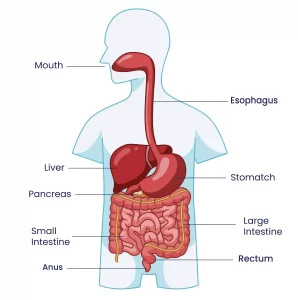
To understand SIBO, you have to understand the geography of your gut. Your digestive tract has two main sections for processing food:
  1. The Small Intestine: This is where food is digested and nutrients are absorbed. It is meant to be relatively clean, with low levels of bacteria.
  2. The Large Intestine (Colon): This is where waste goes. It is teeming with trillions of bacteria (the microbiome) that help ferment fiber and produce vitamins.
SIBO happens when the bacteria from the colon migrate upwards and set up camp in the small intestine. When these bacteria overgrow in the small intestine, they interfere with digestion. Instead of your body absorbing your food, these bacteria get to it first. They feast on the carbohydrates you eat and ferment them rapidly. This fermentation releases gas (hydrogen, methane, or hydrogen sulfide) trapped in the narrow tube of your small intestine. The result? profound, painful bloating that feels like trapped air.    

The "Tell-Tale" Signs: SIBO vs. IBS

Because SIBO is often a cause of IBS symptoms, the two look very similar. However, there are specific clues that point toward SIBO specifically.

1. The Timing of the Bloat

This is the biggest clue.
  • Typical IBS: You might feel generally uncomfortable or have cramping, but bloating varies.
  • SIBO: The bloating is directly tied to eating. You typically wake up with a flat stomach (because the bacteria have "fasted" overnight). However, within 60 to 90 minutes of eating breakfast or lunch, the bloating begins and progressively worsens throughout the day.

2. Fiber Intolerance

Doctors often tell IBS patients to "eat more fiber" or take Metamucil.
  • The SIBO Reaction: Fiber is the favorite food of gut bacteria. If you have SIBO, eating a big salad, an apple, or taking fiber supplements often feels like pouring gasoline on a fire. You get more bloated, not less.

3. Probiotics Make You Worse

  • The SIBO Reaction: Many people take probiotics to help their gut. But if you already have too many bacteria in your small intestine, adding more bacteria (even the "good" kind) can exacerbate the overcrowding and make symptoms worse.

4. Low Iron or B12 (Malabsorption)

  • The SIBO Reaction: Because the bacteria are sitting in your small intestine (where nutrient absorption happens), they can steal your nutrients. We often see SIBO patients with low Vitamin B12 or Iron levels despite a healthy diet.

The 3 Types of SIBO (Gas Types Matter)

Not all SIBO is the same. The symptoms you experience depend on the type of gas the bacteria are producing. This distinction is critical for treatment.
  1. Hydrogen SIBO:
    • Associated with: Diarrhea (IBS-D).
    • Mechanism: Hydrogen gas can speed up gut transit, causing urgency and loose stools.
  1. Methane SIBO (IMO - Intestinal Methanogen Overgrowth):
    • Associated with: Severe Constipation (IBS-C).
    • Mechanism: Methane gas acts as a paralytic to the gut. It slows down peristalsis (muscle contractions), causing severe constipation that is resistant to laxatives.
  1. Hydrogen Sulfide SIBO:
    • Associated with: "Rotten egg" smelling gas, bladder pain, and body aches.

Why Did I Get SIBO? (The Root Cause)

You cannot cure SIBO permanently unless you address why the bacteria are there in the first place. The small intestine has a self-cleaning mechanism called the Migrating Motor Complex (MMC). It’s a wave of muscle contractions that sweeps bacteria down into the colon between meals. If your MMC is broken or slow, bacteria build up. Common causes include:
  • Food Poisoning: A past bout of severe food poisoning (Salmonella, E. coli) can damage the nerves of the gut, slowing the MMC. This is called "Post-Infectious IBS."
  • Chronic PPI Use: Proton Pump Inhibitors (acid reflux meds) lower stomach acid. Acid is your body's natural disinfectant; without it, bacteria can survive and multiply where they shouldn't.
  • Abdominal Surgery: Previous surgeries (C-sections, appendectomies, gastric bypass) can create scar tissue (adhesions) that interferes with the flow of the intestine.
  • Hypothyroidism: Low thyroid function slows down every system in the body, including gut motility.

The Diagnosis: The Breath Test

The good news is that you don't need invasive surgery to diagnose SIBO. We use a simple, non-invasive Lactulose Breath Test. How it works:
  1. You drink a solution containing a sugar called lactulose. Humans cannot digest lactulose, but bacteria love it.
  2. You breathe into a tube every 15-20 minutes for 3 hours.
  3. The Logic: If bacteria are present high up in the small intestine, they will eat the sugar and produce gas early in the test (within the first 90 minutes).
  4. The machine measures the levels of Hydrogen and Methane in your breath to confirm the diagnosis and the type of SIBO.
   

How We Treat It: The "Kill and Restore" Protocol

Treating SIBO is a process, not a quick fix. It usually involves three phases.

Phase 1: Reduce the Bacteria (The "Kill" Phase)

We need to lower the bacterial load in the small intestine. We typically use:
  • Antibiotics: The most common is Rifaximin (Xifaxan). Unlike other antibiotics, Rifaximin stays in the gut and isn't absorbed into the blood, making it very safe with few systemic side effects.
  • Herbal Antimicrobials: For patients who prefer a natural route, specific herbs like Oregano Oil, Berberine, and Neem can be effective, though the course of treatment is longer (4-6 weeks vs. 2 weeks).

Phase 2: Starve the Bacteria (Diet)

During and immediately after treatment, we often prescribe a Low FODMAP Diet or a Specific Carbohydrate Diet (SCD). These diets temporarily remove the fermentable carbohydrates that feed the bacteria. This reduces bloating and prevents the bacteria from rebounding quickly.

Phase 3: Restore Motility (Prevention)

This is the step most people miss, leading to relapse. Once the bacteria are gone, we must ensure the "cleaning wave" (MMC) is working again.
  • We prescribe Prokinetics (motility agents). These can be low-dose prescription medications or natural supplements like Ginger and Artichoke extract taken before bed to stimulate the gut to "sweep" itself while you sleep.

Conclusion: You Are Not "Just" Anxious

For many of our patients, a SIBO diagnosis is a relief. It validates that the pain is real, physiological, and not "all in your head." If you have been managing "IBS" for years with little success, or if your bloating is affecting your quality of life, it is time to dig deeper. SIBO is treatable. You do not have to live with the bloat forever.  
Read more...
Best gastro ahmedabad

Ozempic Stomach Pain & Nausea: A GI Doctor’s Guide to Relief

It seems like everyone is talking about the new wave of weight loss medications. Drugs like Ozempic, Wegovy, Mounjaro, and Zepbound (known medically as GLP-1 receptor agonists) have revolutionized the treatment of diabetes and obesity. For many, they are miracle drugs, offering significant weight loss when diet and exercise alone haven’t worked. But for a growing number of patients, there is a flip side to the miracle. As a gastroenterology practice, we are seeing a surge in appointments from patients describing a specific set of uncomfortable—and sometimes alarming—symptoms. They report severe nausea, unrelenting heartburn, "sulfur burps," and abdominal pain. In the media, this phenomenon has been dubbed "Ozempic Stomach." If you are taking these medications and your digestive system feels like it has come to a screeching halt, you are not imagining it. In this comprehensive guide, we will explain exactly what is happening to your gut, how to manage the side effects without necessarily stopping your medication, and the serious warning signs that mean you need to see a doctor immediately.

The Mechanism: Why Do Weight Loss Shots Hurt My Stomach?

To understand the side effects, you have to understand how the drug works. Medications like semaglutide (Ozempic/Wegovy) and tirzepatide (Mounjaro/Zepbound) work by mimicking a hormone naturally produced in your gut called GLP-1. This hormone does three main things:
  1. Increases Insulin: It helps your pancreas release insulin to lower blood sugar.
  2. Signals Satiety: It tells your brain, "I am full," turning off the hunger signal.
  3. Slows Gastric Emptying: This is the key factor for GI symptoms. It physically slows down the rate at which your stomach empties food into your small intestine.

The Double-Edged Sword of "Delayed Gastric Emptying"

Slowing down digestion is actually how the drug helps you lose weight. Because food stays in your stomach longer, you feel full faster and stay full for hours. However, when this process works too well, or when your body is sensitive to the medication, it can lead to Gastroparesis-like symptoms. Gastroparesis literally translates to "stomach paralysis." Food sits in the stomach for too long, fermenting and causing pressure, rather than moving smoothly through the digestive tract.    

The 4 Most Common GI Side Effects (and Why They Happen)

  1. Nausea and Vomiting

This is the #1 complaint, affecting up to 20-40% of patients in clinical trials.
  • Why: When the stomach remains full of food for hours, distension occurs. The stomach sends distress signals to the brain's vomiting center.
  • The Experience: You may feel fine in the morning but increasingly nauseous as the day goes on as meals "stack up" in your stomach.
  1. Acid Reflux and Heartburn

  • Why: A full stomach exerts upward pressure on the Lower Esophageal Sphincter (the valve between your stomach and esophagus). Acid and semi-digested food are pushed back up into the throat.
  • The Experience: A burning sensation in the chest, especially when lying down at night, or a sour taste in the mouth.
  1. The Dreaded "Sulfur Burps"

This is a very specific search term trending online.
  • Why: Because food is sitting in the stomach longer than usual, it begins to ferment and break down before it even reaches the intestine. Bacteria act on the food, releasing hydrogen sulfide gas.
  • The Experience: You burp, and it tastes or smells distinctly like rotten eggs. This is a hallmark sign of delayed gastric emptying.
  1. Severe Constipation

  • Why: GLP-1 agonists slow motility throughout the entire GI tract, not just the stomach. As stool moves slower through the colon, more water is absorbed back into the body, leaving the stool hard and difficult to pass.
  • The Experience: Going days without a bowel movement, feeling bloated, or straining significantly.

How to Manage Symptoms: The "GLP-1 Diet" Strategy

You don't necessarily have to stop the medication to stop the pain. Often, the issue is that patients continue eating their "pre-medication" diet while on a medication that drastically changes digestion. Here are 6 Golden Rules for eating while on GLP-1 therapies:

Rule 1: Volume Control is Critical

Your stomach capacity is effectively smaller because it isn't emptying fast. You must switch from 3 large meals to 5 or 6 micro-meals.
  • Instead of: A large dinner plate.
  • Try: A saucer-sized portion. Stop eating the moment you feel a hint of fullness.

Rule 2: Prioritize Texture

Solid, dense foods (like steak or raw fibrous vegetables) take the longest to break down.
  • Shift to: Soups, smoothies, yogurt, flaky fish, and well-cooked vegetables. These are easier for a "slow" stomach to process.

Rule 3: Avoid High-Fat and Fried Foods

Fat naturally delays gastric emptying even in a healthy person. If you combine a high-fat meal (like a cheeseburger) with a GLP-1 medication, you are doubling down on the delay. This is the fastest way to trigger severe nausea or vomiting.

Rule 4: Ban the "Late Night Snack"

Because your stomach takes hours to empty, you cannot eat right before bed.
  • The Fix: Stop eating at least 4 hours before sleep. If you eat at 9 PM and lay down at 10 PM, that food will still be in your stomach, causing severe reflux all night.

Rule 5: Hydrate Between, Not During

Drinking large amounts of water during a meal adds volume to an already full stomach.
  • The Fix: Sip water throughout the day, but limit liquids 30 minutes before and after meals to leave room for nutrient-dense food.

Rule 6: Combat Constipation Early

Do not wait until you haven't gone for 4 days.
  • The Fix: Take a daily gentle osmotic laxative (like Miralax or generic Polyethylene Glycol) if recommended by your doctor. Stay hydrated.
   

A Critical Warning: Anesthesia and Surgery

This is a vital piece of information that many patients miss. Because these drugs keep food in your stomach for so long, standard fasting guidelines for surgery (e.g., "nothing to eat after midnight") may not be enough. Anesthesiologists are seeing cases where patients who fasted for 12 hours still had full stomachs during surgery. This poses a high risk of aspiration (vomiting food into the lungs while sedated), which can be fatal or cause severe pneumonia. The Medical Guideline: If you have a scheduled surgery or a procedure requiring sedation (like a colonoscopy or endoscopy), you must tell your doctor you are on these meds. The American Society of Anesthesiologists currently suggests holding the medication for at least one week prior to elective procedures, but your specific doctor may require a longer duration.

When Does "Ozempic Stomach" Become an Emergency?

While nausea is common, actual Gastroparesis or Ileus (intestinal blockage) is a serious medical complication. You should contact a gastroenterologist or visit the ER if you experience:
  1. Vomiting that won't stop: You cannot keep even liquids down for 24 hours. Dehydration is a major risk.
  2. Severe abdominal pain: Intense cramping that prevents you from standing up straight.
  3. Obstipation: The absolute inability to pass gas or stool, accompanied by a distended, hard belly. This could indicate a blockage.

Conclusion: Finding the Balance

GLP-1 agonists are powerful tools for metabolic health, but they require a new relationship with food. Your stomach is operating on a different timeline now, and you must respect that pace. If you are suffering from persistent symptoms despite changing your diet, it may be time to consult a gastroenterologist. We can help screen for underlying issues, prescribe anti-nausea medications, or help you transition off the drug safely if it isn't right for your body. Remember: Weight loss should improve your health, not make you miserable. If you are struggling with "Ozempic Stomach," help is available.
  • Primary Keyword: Ozempic stomach pain / Gastroparesis symptoms
  • Long-Tail Keywords (Questions): "Does Ozempic cause gastroparesis?", "How to relieve stomach pain from weight loss shots", "Sulfur burps Ozempic cure"
  • SEO Title: Ozempic Stomach Pain & Nausea: A GI Doctor’s Guide to Relief
  • Meta Description: Experiencing stomach pain or nausea on Ozempic or Wegovy? Learn why "Ozempic stomach" happens, how to manage it, and when to see a gastroenterologist.
 
Read more...

Hernia Surgery in Ahmedabad: Cost, Recovery & Aftercare Tips

At Dr Gastro, we understand that when someone is diagnosed with a hernia, many questions arise: What does the surgery involve? How much will it cost? How long will it take to recover? If you’re looking for specialist care in Gujarat, then your search for hernia surgery in Ahmedabad ends here. Let’s walk through everything you need to know—costs, recovery timelines, and aftercare best practices.

What Is a Hernia—and Why Might Surgery Be Needed?

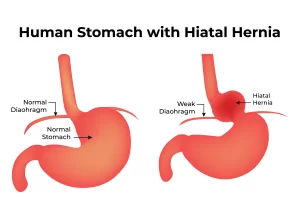
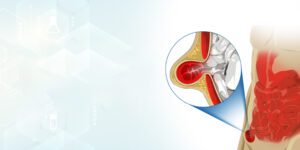
A hernia happens when an internal organ or tissue pushes through a weakened section of muscle or surrounding tissue wall—often in the abdomen or groin. Common types include inguinal (groin), umbilical (near the belly button), incisional (at a previous surgical site), and hiatal (upper abdomen). When conservative treatments don’t relieve symptoms—or if there is risk of complications like blockage or strangulation—a surgical repair becomes necessary. For those seeking trustedExpert care for hernia surgery in Ahmedabad, Dr Gastro offers advanced laparoscopic and open‑repair techniques to suit each patient’s unique condition. Cost of Hernia Surgery in Ahmedabad Understanding cost helps patients plan financially—not just the surgical fee but associated factors as well. Here’s what current data shows:
  • One source reports starting costs for laparoscopic hernia repair in Ahmedabad around ₹ 45,000, with averages up to ₹ 90,000‑₹ 1,20,000+. drishanshah.com+2HealthFinder+2
  • According to another provider, typical cost ranges for hernia surgery in Ahmedabad fall between ₹ 80,000 and ₹ 1,10,000. Pristyn Care+1
  • The actual cost depends heavily on factors such as the type of hernia (inguinal vs umbilical vs complex), the surgical technique used (open vs laparoscopic vs robotic), the hospital category (private/specialty vs government), room type, additional diagnostics, and surgeon fees. HexaHealth+1
Why Cost Varies
  • Surgical technique: Minimally invasive (laparoscopic or robotic) tends to cost more but offers faster recovery.
  • Hospital & room type: Premium hospitals, deluxe rooms, and extensive post‑op services raise costs.
  • Patient condition: More complex or recurrent hernias often require more time, intensive care, or mesh repair.
  • Mesh and materials used: Higher‑end medical mesh or special repair kits may add cost.
  • Pre‑ and post‑operative diagnostics & care: Scans, blood tests, longer hospital stay contribute to total.
Good to Know Even with variation, choosing a centre that balances expertise, equipment, and aftercare can drive better outcome—not just lower cost. If you’re considering hernia surgery in Ahmedabad, make sure cost clarity and quality of care go hand in hand. Recovery: What to Expect Recovery timeline varies based on surgery type, personal health, and hernia location. Below is a general guide: For Laparoscopic Repair
  • Hospital stay: Often 1–2 days, sometimes same‑day discharge in straightforward cases. Pristyn Care
  • Return to light activity: Within 2–4 days for many patients—but heavy lifting should be avoided for up to 4‑6 weeks.
  • Full recovery: Most able to resume most normal activity in 1–2 weeks, but full tissue healing takes longer.
For Open Repair
  • Hospital stay: 2–5 days depending on condition.
  • Moderate activity: Resume in 1–2 weeks, though heavy activity and full strength may take 4–6 weeks.
  • More caution: Because of larger incision and more tissue disruption, recovery is slower.
Common Post‑Op Tips
  • Walk soon after surgery: Promotes circulation and reduces risk of blood clots.
  • Manage pain: Use prescribed analgesics, avoid prolonged sitting which may strain.
  • Avoid heavy lifting or strenuous activity for at least 4‑6 weeks (longer if surgeon advises).
  • Monitor your wound: Watch for redness, swelling, fever—speak to your doctor if changes occur.
  • Ease back into exercise gradually: Core strengthening and abdominal support often introduced later.
Aftercare Tips to Ensure Smooth Healing & Long‑Term Success
  1. Follow diet recommendations: Eat well‑balanced meals, high in fibre to prevent constipation (which may strain surgical repair).
  2. Hydration & bowel habits: Drink ample water, consider gentle movement after meals to stimulate digestion.
  3. Avoid strain during bowel movements: Manage constipation with diet or mild laxatives if needed.
  4. Maintain ideal weight: Excess weight increases abdominal pressure and risk of recurrence.
  5. Support your incision: Use abdominal binder if directed, avoid pressure on repair area.
  6. Regular follow‑ups: Attend all post‑operative appointments so your surgeon can monitor recovery and intervene if needed.
  7. Know when to call your doctor: Persistent pain, bulging at incision, fever, vomiting, or unexpected swelling are signs of potential complication.
Why Choose Dr Gastro for Hernia Surgery in Ahmedabad
  • We specialise in hernia surgery in Ahmedabad, offering both laparoscopic and open repair under experienced general and Gastrointestinal surgeons.
  • We use state‑of‑the‑art equipment and follow international standards for surgical safety, asepsis and post‑operative care.
  • Our patient‑centric approach: personalised surgical plan, transparent cost breakdown, and comprehensive aftercare.
  • We emphasise minimal downtime and fast return to normal life: our goal is not just to fix the hernia—but to restore your quality of life.
Frequently Asked Questions (FAQ) Is surgery always necessary for a hernia? Not always. Small, asymptomatic hernias may be monitored—however, if you have pain, bulging, or recurrent issues, surgery is often recommended to avoid complications. Will my insurance cover hernia surgery? Yes. Most major health insurance policies in India treat hernia repair as medically necessary, so coverage is usually available—check your policy and the hospital’s empanelment. varadhospital.in Will the hernia come back after surgery? Recurrence risk exists if underlying factors (heavy lifting, chronic coughing, overweight) continue. Proper aftercare, lifestyle adjustments, and following your surgeon’s advice minimise the risk. Conclusion: Take the First Step Towards Relief If you’re dealing with a hernia and wondering about your options, it’s time to act. For reliable hernia surgery in Ahmedabad, Dr Gastro is here to help. Book a consultation, get a personalised surgical plan and cost estimate, and take your first step toward a healthier, stronger, pain‑free life. Contact us today to schedule your evaluation and discuss your hernia repair options with our expert team.
Read more...

Understanding Fatty Liver Disease: Causes, Risks, and Treatment Options

Fatty liver disease is becoming one of the most common liver conditions worldwide, affecting millions of people. Whether you’re in Ahmedabad or anywhere else, the rising prevalence of this condition highlights the importance of understanding its causes, risks, and treatment options. In this blog, we will explain what fatty liver disease is, the causes and risks associated with it, and how you can manage it with effective treatment options available at Fatty Liver Disease Treatment in Ahmedabad.

What Is Fatty Liver Disease?

Fatty liver disease o ccurs when there is an excessive accumulation of fat in the liver cells. While it is common for the liver to store some fat, excessive fat can lead to inflammation, liver damage, and even liver failure in severe cases. There are two main types of fatty liver disease:
  • Non-Alcoholic Fatty Liver Disease (NAFLD): This is the most common type, typically related to factors like obesity, diabetes, and poor diet.
  • Alcoholic Fatty Liver Disease (AFLD): This occurs when excessive alcohol consumption leads to fat buildup in the liver.
Fatty liver disease can range from mild to severe, and in some cases, it can develop into cirrhosis or liver cancer if not treated.

Causes of Fatty Liver Disease (What Is Fatty Liver Disease?)

There are several factors that contribute to the development of fatty liver disease, and they vary depending on the type (NAFLD or AFLD). Common causes include:
  1. Obesity
Being overweight or obese is one of the primary risk factors for fatty liver disease. Excess body fat leads to fat accumulation in the liver, causing the condition to develop.
  1. Type 2 Diabetes
People with Type 2 diabetes are more likely to develop fatty liver disease due to insulin resistance, which affects the body’s ability to process fat.
  1. Poor Diet
A diet high in unhealthy fats, sugars, and processed foods increases the likelihood of fatty liver disease. Lack of nutrients and excessive calorie intake can overwhelm the liver.
  1. Excessive Alcohol Consumption
For those with alcoholic fatty liver disease, chronic and heavy alcohol consumption is a major cause. Alcohol interferes with the liver’s ability to process fats, leading to fat buildup.
  1. Genetics and Family History
If someone in your family has had fatty liver disease, you may be at an increased risk of developing it yourself.
  1. Medications
Certain medications, such as corticosteroids, can increase fat buildup in the liver. Always consult your doctor before making any changes to your medication regimen.
  1. Other Medical Conditions
High blood pressure, high cholesterol, and sleep apnea have also been associated with a higher risk of developing fatty liver disease. Risks Associated with Fatty Liver Disease If left untreated, fatty liver disease can lead to severe complications, such as:
  1. Cirrhosis
This is the most serious complication, where the liver becomes scarred and loses its ability to function properly. Cirrhosis is often irreversible and can lead to liver failure.
  1. Liver Cancer
Over time, the damage from fatty liver disease can increase the risk of liver cancer (hepatocellular carcinoma), especially in those with cirrhosis.
  1. Heart Disease
People with fatty liver disease are at a higher risk of developing cardiovascular problems, including heart attack and stroke.
  1. Liver Failure
In advanced stages, fatty liver disease can lead to liver failure, where the liver is no longer able to perform its essential functions, requiring a liver transplant in extreme cases.
  1. Diabetes and Other Metabolic Disorders
Fatty liver disease is closely linked with metabolic disorders like insulin resistance, which can worsen other chronic conditions such as diabetes. Treatment Options for Fatty Liver Disease If you’ve been diagnosed with fatty liver disease, there are several treatment options available. The first step is always to consult with a healthcare provider for an accurate diagnosis and personalized treatment plan.
  1. Lifestyle Changes
The most effective treatment for fatty liver disease is often lifestyle modification. This includes:
  • Losing weight: Even a small reduction in body weight can significantly improve liver health.
  • Improving diet: Eating a healthy, balanced diet rich in fruits, vegetables, whole grains, and lean proteins helps reduce fat accumulation in the liver.
  • Exercise: Regular physical activity, such as walking, swimming, or cycling, can help burn excess fat and improve liver function.
  1. Medications
While there are no specific medications approved to treat fatty liver disease directly, doctors may prescribe medications to manage associated conditions such as diabetes, high cholesterol, or high blood pressure. In some cases, vitamin E and other antioxidants may be recommended to reduce liver inflammation.
  1. Managing Underlying Conditions
Controlling risk factors like Type 2 diabetes, obesity, and high cholesterol can slow the progression of fatty liver disease and reduce the risk of complications. For individuals with alcoholic fatty liver disease, the most effective treatment is to stop drinking alcohol entirely.
  1. Regular Monitoring
For patients with advanced fatty liver disease, regular monitoring through blood tests and imaging studies is important to track liver health and catch complications early.
  1. Advanced Treatments
In severe cases of fatty liver disease, such as cirrhosis or liver failure, a liver transplant may be the only option. However, this is usually a last resort, after all other treatments have been exhausted. Why Choose Dr Gastro for Fatty Liver Disease Treatment in Ahmedabad? At Dr Gastro, we offer comprehensive diagnosis and treatment options for fatty liver disease. Whether you are in the early stages or need advanced treatment options, our expert team is here to help. We provide:
  • Advanced Diagnostic Tools: From blood tests to imaging studies, we use the latest technology to accurately diagnose and assess fatty liver disease.
  • Personalized Care Plans: Each patient is different, and we offer tailored treatment plans to ensure the best outcomes.
  • Experienced Team of Specialists: Our gastroenterologists are highly trained in managing liver conditions, including fatty liver disease.
  • Comprehensive Follow-up: We provide ongoing care to monitor your progress and adjust your treatment plan as needed.
Conclusion: Don’t Wait to Take Action Fatty liver disease can be a serious condition, but with the right care and treatment, it is manageable. Fatty liver disease treatment in Ahmedabad is available at Dr Gastro, where our team of experts will guide you through every step of your treatment. If you’re dealing with fatty liver disease symptoms, schedule a consultation today and take control of your liver health. With the right treatment, you can live a healthier, more active life. YouTube – Understanding Fatty Liver Disease Video Contact us today at Dr Gastro for personalized care and effective treatment options for fatty liver disease.
Read more...

Gall Bladder Stone Surgery: When Is the Right Time to Operate?

Gall bladder stones are a common yet painful condition that can cause a variety of symptoms, from mild discomfort to severe pain. When it comes to treatment, surgery is often recommended if the condition worsens. At Dr Gastro, we specialize in Gall Bladder Stone Surgery in Ahmedabad, offering the latest surgical methods to ensure a quick and efficient recovery. But when is the right time to consider surgery? Let’s explore the signs, causes, and the best treatment options for gall bladder stones.

What Are Gall Bladder Stones?

Gall bladder stones (also known as cholelithiasis) are hardened deposits of bile that form in the gall bladder. The gall bladder, a small organ located just beneath the liver, stores bile, which helps digest fats. These stones can vary in size and may be composed of cholesterol or bilirubin. Gall bladder stones may not cause immediate symptoms, but they can lead to painful complications if left untreated. In some cases, they can block the bile ducts, leading to a condition called cholecystitis or even jaundice, which is why it’s important to understand when surgery might be necessary. Symptoms of Gall Bladder Stones: When Should You Seek Treatment? Some people with gall bladder stones may not experience symptoms. However, if you’re dealing with any of the following, it might be time to consider gall bladder stone surgery in Ahmedabad:
  • Abdominal Pain: Often severe, this pain typically occurs in the upper right side of the abdomen and may last for several hours. It’s usually triggered after eating a fatty meal.
  • Indigestion and Bloating: Feeling full, bloated, or having indigestion after meals can be signs of gall stones.
  • Nausea or Vomiting: Persistent nausea and vomiting, particularly after eating, are common symptoms.
  • Jaundice: Yellowing of the skin or eyes can occur if a gall bladder stone blocks a bile duct.
  • Fever and Chills: If an infection is present, fever may develop, which requires immediate medical attention.
If you experience any of these symptoms, it’s best to consult a specialist for a diagnosis. When Is the Right Time for Gall Bladder Stone Surgery? The decision to have gall bladder stone surgery depends on several factors. Here are the key signs that surgery may be necessary:
  1. Frequent or Severe Pain
If you experience recurrent episodes of intense abdominal pain (biliary colic) due to gall stones, surgery might be recommended. These episodes can become more frequent and severe over time.
  1. Infection or Inflammation
If a gall bladder stone causes infection (cholecystitis) or inflammation of the gall bladder, it becomes a medical emergency. In this case, gall bladder stone surgery in Ahmedabad is often the only treatment option to prevent serious complications like gall bladder rupture.
  1. Obstruction of the Bile Duct
When a gall stone blocks the bile duct, it can lead to jaundice, pancreatitis, and other life-threatening conditions. Surgery is needed to remove the stone and restore proper bile flow.
  1. Chronic Digestive Problems
If gall bladder stones are causing frequent digestive problems, such as nausea, bloating, or indigestion, it may be time to consider surgery for better long-term relief.
  1. Risk of Gall Bladder Cancer
Although rare, untreated gall bladder stones may increase the risk of gall bladder cancer. In cases of chronic inflammation or symptoms that do not resolve, surgery may be necessary as a preventive measure. Types of Gall Bladder Stone Surgery There are two primary types of surgeries for gall bladder stone removal:
  1. Laparoscopic Cholecystectomy (Minimally Invasive)
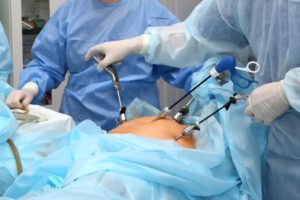
This is the most common method used for gall bladder stone surgery in Ahmedabad. It involves making small incisions in the abdomen, through which a camera and surgical tools are inserted. The gall bladder is then removed using these instruments. This method offers several advantages:
  • Smaller incisions and faster recovery time
  • Less pain after the procedure
  • Shorter hospital stay
  1. Open Cholecystectomy (Traditional Surgery)
In some cases, especially if there are complications or if the gall bladder is severely inflamed, a traditional open surgery may be necessary. This involves a larger incision and a longer recovery period. At Dr Gastro, our surgeons are experienced in both procedures, using the most appropriate method depending on the severity of the condition. What to Expect After Gall Bladder Stone Surgery After your surgery, recovery time will vary depending on the type of surgery performed:
  • Laparoscopic Surgery: Most patients can go home the same day or the next day. The recovery period typically lasts 1–2 weeks, and you can resume light activities shortly after.
  • Open Surgery: Recovery may take 4–6 weeks, as the procedure is more invasive. Hospital stays are longer, and you will need to avoid strenuous activities during this period.
Aftercare Tips:
  • Avoid fatty foods for a few weeks to allow your digestive system to adjust.
  • Stay hydrated and eat light, easy-to-digest meals initially.
  • Follow up with your surgeon for post-surgery checkups and monitoring.
Why Choose Dr Gastro for Gall Bladder Stone Surgery in Ahmedabad? At Dr Gastro, we offer the latest techniques for gall bladder stone surgery in Ahmedabad. Our team of expert gastroenterologists and surgeons provide personalized care, ensuring the best possible outcome for each patient.
  • Experienced Surgeons: Our surgeons are highly skilled in both laparoscopic and open surgery techniques.
  • State-of-the-art Facilities: We use advanced diagnostic tools and modern surgical equipment.
  • Comprehensive Care: From diagnosis to post-surgery recovery, we offer a full spectrum of care tailored to your needs.
Conclusion: Take the First Step Toward Relief If you are experiencing symptoms of gall bladder stones, it’s essential to get a professional opinion. Gall bladder stone surgery in Ahmedabad can provide lasting relief and prevent serious complications. Schedule a consultation today at Dr Gastro and take the first step toward a healthier, pain-free life. We are here to provide expert care for your gall bladder health.
Read more...