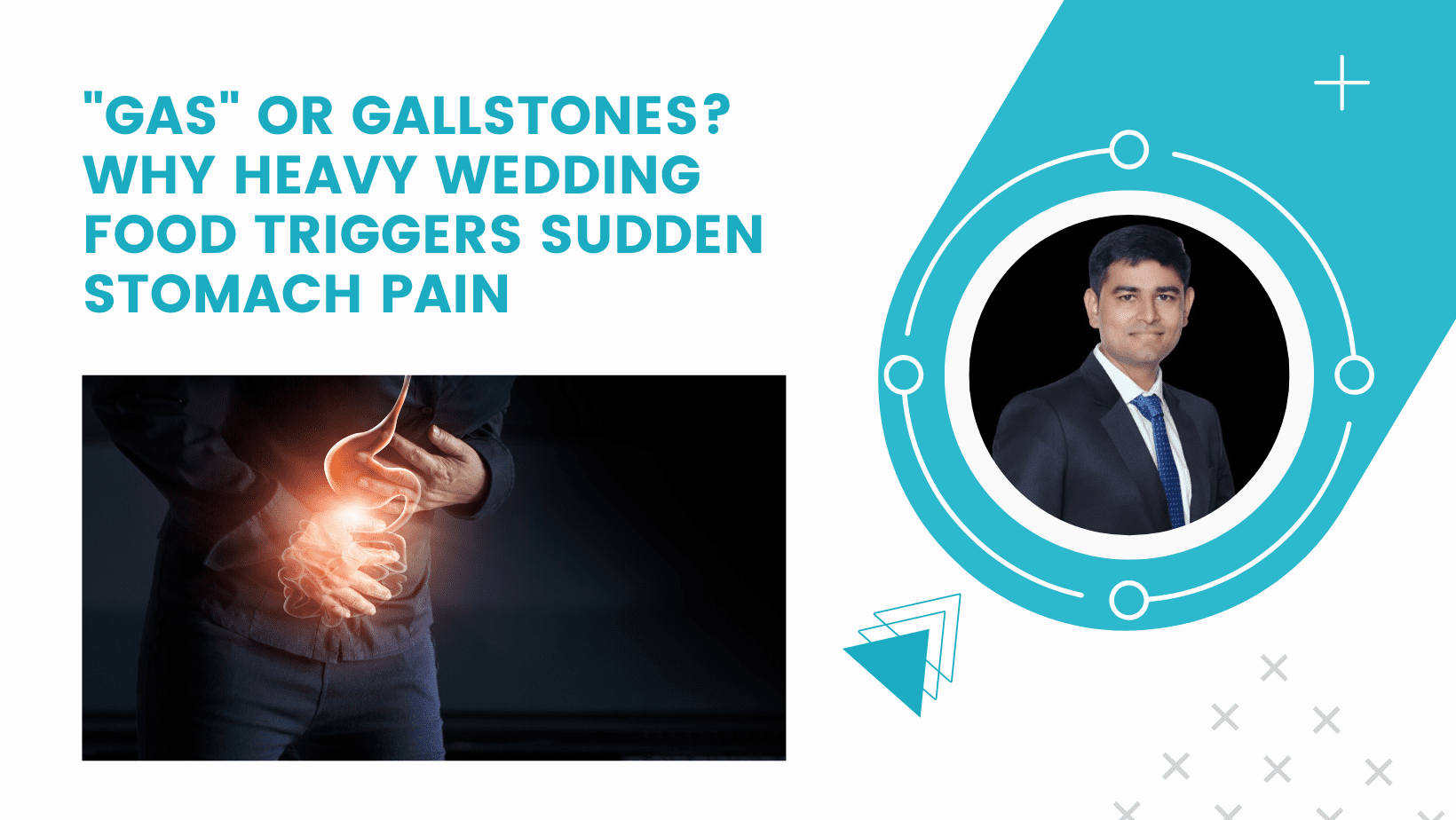
“Gas” or Gallstones? Why Heavy Wedding Food Triggers Sudden Stomach Pain

The wedding season is one of the most exciting and joyous times of the year, especially in India, where grand celebrations are at the heart of every tradition. However, among the festivities, music, and dance, many people face an unexpected and unpleasant experience: sudden stomach pain after indulging in heavy wedding food. While this discomfort is often dismissed as gas, there could be another underlying issue at play, like gallstones. Understanding the difference between gas and gallstone-related pain is crucial, as it can help you take the right steps for treatment and prevention. In this blog, we will explore why heavy wedding food triggers stomach pain, how to differentiate between gas and gallstones, and what you can do to prevent it. At Dr. Gastro, a trusted gastroenterologist in Ahmedabad, we are dedicated to providing expert advice and care for all your digestive concerns. Let’s delve into the relationship between heavy foods and digestive issues, and help you understand how to protect your stomach this wedding season.

Why Heavy Wedding Food Triggers Stomach Pain

Wedding banquets are known for their indulgent dishes—rich, spicy curries, deep-fried snacks, sweet desserts, and heavy meats. While all these foods contribute to the festive mood, they can wreak havoc on your digestive system, leading to discomfort and pain. Here's why:
  1. Overeating and Large Portion Sizes: During weddings, it’s easy to indulge in large portions of food due to the abundance of delicious options. Overeating stretches the stomach, putting pressure on the digestive system. This can lead to bloating, gas, and indigestion, causing discomfort in the abdomen.
  2. Fatty and Oily Foods: Many wedding dishes are high in fat and oils, such as deep-fried items, creamy gravies, and rich meats. These foods take longer to digest, which can lead to feelings of fullness, bloating, and discomfort. Additionally, high-fat foods stimulate the production of stomach acid, which can cause acid reflux or indigestion.
  3. Spicy and Heavy Ingredients: Spicy foods, common in Indian wedding dishes, can irritate the lining of the stomach and intestines. Spices like chili, mustard, and garlic can trigger acid reflux or worsen gastric issues, especially if consumed in excess. For people with sensitive digestive systems, these foods can exacerbate symptoms of heartburn and indigestion.
  4. Alcohol and Carbonated Drinks: Alcohol is often consumed in large quantities at weddings, leading to stomach irritation. Carbonated beverages like sodas can also contribute to bloating and gas. Both of these can trigger acid reflux, bloating, and distension, causing discomfort in the upper abdomen.
  5. Stress and Anxiety: Weddings can be stressful, with the pressure of attending events, meeting family members, and dealing with the excitement. Stress can disrupt the digestive process, slowing it down and making it harder for the body to break down food properly. This can contribute to indigestion, bloating, and discomfort.
   

Is It Gas or Gallstones? Understanding the Difference

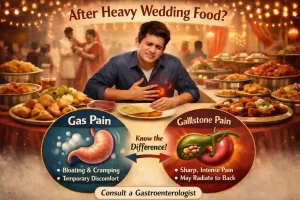
When stomach pain occurs after eating heavy food at a wedding, it’s common to assume it’s just gas or indigestion. However, in some cases, the pain could be a sign of a more serious condition like gallstones. Here’s how you can tell the difference:
  1. Gas:

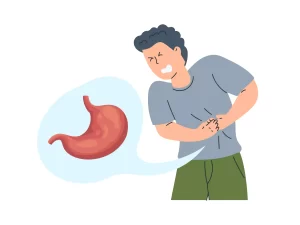
Gas pain occurs when there is a buildup of gas in the stomach or intestines. This can happen after consuming heavy, greasy, or spicy foods, especially in large quantities. Symptoms of gas:
  • Bloating or feeling full
  • Sharp or cramp-like pain in the abdomen, especially after eating
  • Frequent burping or passing gas
  • Pain that comes and goes, often relieved by passing gas or a bowel movement
  • A feeling of heaviness or discomfort after meals
Cause of Gas:
  • Overeating
  • Consumption of foods that are difficult to digest (fatty, spicy, or fibrous foods)
  • Carbonated drinks and alcohol
  • Swallowing air while eating or drinking
Relief: Gas pain is typically temporary and can be relieved by passing gas, taking a walk, or consuming over-the-counter remedies like simethicone (e.g., Gas-X). A warm compress or gentle abdominal massage can also help.
  1. Gallstones:

Gallstones are hardened deposits of bile in the gallbladder, a small organ located beneath the liver. These stones can block the normal flow of bile into the intestines, causing pain. Gallstone-related pain typically occurs after eating a fatty meal, as the gallbladder is responsible for breaking down fats. Symptoms of gallstones:
  • Severe, steady pain in the upper abdomen or right side, often radiating to the back or shoulder
  • Pain that lasts from 30 minutes to several hours
  • Nausea and vomiting
  • Fever (if the gallbladder is inflamed or infected)
  • Jaundice (yellowing of the skin or eyes in severe cases)
Cause of Gallstones:
  • A high-fat diet
  • Obesity or being overweight
  • Rapid weight loss (from dieting or surgery)
  • Genetics or family history
  • Age (more common in people over 40)
  • Gender (more common in women)
Relief: Gallstone pain often requires medical intervention. In some cases, the stones may need to be removed through a procedure called cholecystectomy (removal of the gallbladder). If you suspect gallstones, it’s essential to consult with a gastroenterologist for a proper diagnosis and treatment.    

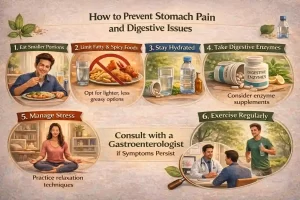
How to Prevent Stomach Pain and Digestive Issues This Wedding Season

Whether it’s gas, gallstones, or simple indigestion, there are steps you can take to avoid stomach pain and discomfort during the wedding season:
  1. Moderate Your Portions: Avoid overeating at wedding feasts. Eat smaller portions and chew your food thoroughly to aid digestion.
  2. Limit Fatty and Spicy Foods: While rich wedding dishes are tempting, try to limit your intake of fried, greasy, or spicy foods. Opt for lighter options when possible to prevent acid reflux and indigestion.
  3. Stay Hydrated: Drink plenty of water throughout the day, especially if you’re indulging in alcohol. Staying hydrated helps your digestive system process food more efficiently and prevents dehydration, which can worsen constipation and bloating.
  4. Take Digestive Enzymes: If you have a sensitive stomach, consider taking over-the-counter digestive enzyme supplements before meals. These can help break down fats and improve digestion, reducing the risk of bloating and discomfort.
  5. Avoid Stress: Weddings can be stressful, but try to manage your stress levels. Take breaks when needed, practice relaxation techniques, and avoid rushing meals.
  6. Exercise Regularly: Regular physical activity helps keep your digestive system moving and reduces bloating. If you feel discomfort after a heavy meal, take a short walk to help relieve gas and improve digestion.
  7. Consult with a Gastroenterologist: If you’re experiencing frequent or severe stomach pain, it’s essential to consult a gastroenterologist. Dr. Gastro specializes in diagnosing and treating digestive issues like gas, gallstones, acid reflux, and other gastrointestinal conditions.

Conclusion: Know the Difference, Protect Your Health

While the heavy, rich foods at weddings are a treat, they can trigger digestive issues like gas and, in some cases, gallstones. By understanding the symptoms and causes of both conditions, you can avoid unnecessary discomfort this wedding season. At Dr. Gastro, we are committed to helping you maintain optimal digestive health, whether you’re dealing with occasional indigestion or more serious conditions like gallstones. If you're experiencing frequent stomach pain or suspect a more serious issue, don’t hesitate to seek professional help.
Read more...

Stomach Pain After New Year’s? How to Tell if It’s Acidity or a Pancreas Issue

The New Year often brings celebrations, indulgent foods, and a break from routine. While it's a time for joy and reflection, it can also lead to digestive discomfort. If you're experiencing stomach pain after the festivities, you're not alone. The combination of overeating, consuming rich or spicy foods, alcohol, and stress can wreak havoc on your digestive system. But how do you know if your stomach pain is simply due to acidity or something more serious like a pancreas issue? At Dr. Gastro, a trusted gastroenterologist in Ahmedabad, we understand that stomach pain can be caused by a variety of factors. In this blog, we'll help you distinguish between acidity and a potential pancreas problem, so you can take the right steps toward relief and recovery.

Understanding Acidity: A Common Culprit

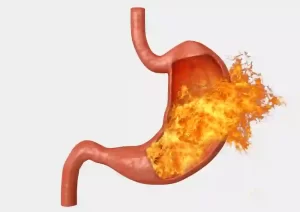
Acidity (or acid reflux) occurs when the stomach's acidic contents flow back into the esophagus. This happens when the lower esophageal sphincter (LES), a valve at the bottom of the esophagus, fails to close properly. It is one of the most common causes of stomach pain, especially after heavy meals or indulgence in acidic or spicy foods.

Symptoms of Acidity:

  • Burning sensation in the chest or upper stomach (heartburn)
  • Bloating or a feeling of fullness
  • Regurgitation of sour or bitter liquid into the throat or mouth
  • Belching or frequent burping
  • Nausea after meals
  • Pain or discomfort in the stomach or chest that may get worse after eating

What Causes Acidity?

  • Overeating: Large, heavy meals stretch the stomach, increasing acid production.
  • Spicy, oily foods: These can irritate the stomach lining, triggering acid reflux.
  • Alcohol and caffeine: These can relax the LES and increase stomach acid production.
  • Stress: Increased anxiety or stress can worsen symptoms.
  • Lying down after meals: This can allow stomach acid to flow back into the esophagus.

How to Manage Acidity:

  • Antacids: Over-the-counter medications like Tums, Gaviscon, or Maalox can help neutralize stomach acid.
  • Dietary adjustments: Avoid acidic foods (like citrus, tomatoes), spicy foods, and alcohol. Opt for smaller, more frequent meals.
  • Elevate your head: If you experience acidity at night, try sleeping with your head elevated to prevent acid reflux.
   

When Stomach Pain Could Indicate a Pancreas Issue

The pancreas is a crucial organ located behind the stomach, and its primary role is to aid in digestion and regulate blood sugar levels. When the pancreas becomes inflamed or infected, it can lead to pancreatitis, a serious condition that requires immediate medical attention.

Symptoms of Pancreatitis:

  • Severe, sudden abdominal pain: The pain is usually felt in the upper abdomen and may radiate to the back. It may feel like a constant, dull ache or a sharp, stabbing pain.
  • Pain after eating: Unlike acidity, which often occurs after eating certain foods, pancreas-related pain tends to worsen after eating, especially fatty foods.
  • Nausea and vomiting: You may feel extremely nauseous and even throw up, which can worsen the discomfort.
  • Bloating: The abdomen may feel bloated, and you may experience difficulty digesting food.
  • Fever: A mild fever can occur along with other symptoms, indicating inflammation or infection.
  • Unexplained weight loss: This can occur over time if the pancreas isn’t functioning properly, especially in chronic pancreatitis.

What Causes Pancreatitis?

  • Alcohol consumption: Excessive drinking, especially over the holidays, can trigger an acute pancreatitis attack.
  • Gallstones: These can block the bile duct, causing inflammation in the pancreas.
  • High-fat diet: A diet high in fat, especially over time, can increase the risk of pancreatitis.
  • Trauma or injury: Any trauma to the abdomen can affect the pancreas, leading to inflammation.
  • Chronic conditions: Certain medical conditions like cystic fibrosis, high cholesterol, or high triglycerides can increase the risk of pancreatitis.

How to Manage Pancreatitis:

  • Immediate medical attention: If you suspect pancreatitis, seek medical help immediately. It’s a medical emergency and requires a doctor’s intervention.
  • Hospitalization: In severe cases, hospitalization may be necessary for intravenous fluids, medications, and other treatments.
  • Avoid alcohol: If pancreatitis is caused by alcohol consumption, stopping drinking is crucial for recovery.
  • Dietary changes: A low-fat diet is recommended to reduce stress on the pancreas.

How to Tell the Difference Between Acidity and Pancreas Issues

Here are some key differences between acidity and a potential pancreas issue:
Acidity Pancreatitis (Pancreas Issue)
Occurs after eating spicy, fatty, or acidic foods. Pain usually worsens after eating, especially fatty foods.
Mild to moderate pain, typically relieved by antacids. Severe, persistent pain that doesn’t go away easily.
Usually accompanied by heartburn, belching, and regurgitation. Associated with nausea, vomiting, fever, and bloating.
Common and generally less serious. Medical emergency, requires immediate attention.
Relieved by dietary changes and medications. May require hospitalization and medical intervention.
   

When to See a Doctor

If you experience severe or persistent stomach pain, especially after eating, it's important to seek professional help. Here’s when you should contact Dr. Gastro:
  • Severe, radiating pain in the upper abdomen, especially if it feels sharp and persistent.
  • Pain after eating fatty foods that doesn’t subside with rest or antacids.
  • Nausea, vomiting, or fever along with abdominal pain.
  • If you feel lightheaded or have trouble breathing, seek emergency care immediately.
For those experiencing regular acidity symptoms that don’t improve with lifestyle changes or over-the-counter medication, it’s also a good idea to consult a gastroenterologist for a thorough evaluation.

Conclusion: Don’t Ignore Stomach Pain

Whether it's due to acidity or a more serious pancreas issue, stomach pain after the holidays shouldn’t be ignored. If you’re dealing with persistent discomfort, it's crucial to identify the root cause so you can get the right treatment. At Dr. Gastro, we provide expert care and diagnosis for all your gastrointestinal concerns, from acidity to pancreatitis. If you’re experiencing any of the symptoms mentioned in this blog, don’t hesitate to reach out to Dr. Gastro for a consultation. We’ll help you get the relief you need and ensure your digestive health is back on track.
Read more...
Best gastro in ahmedabad

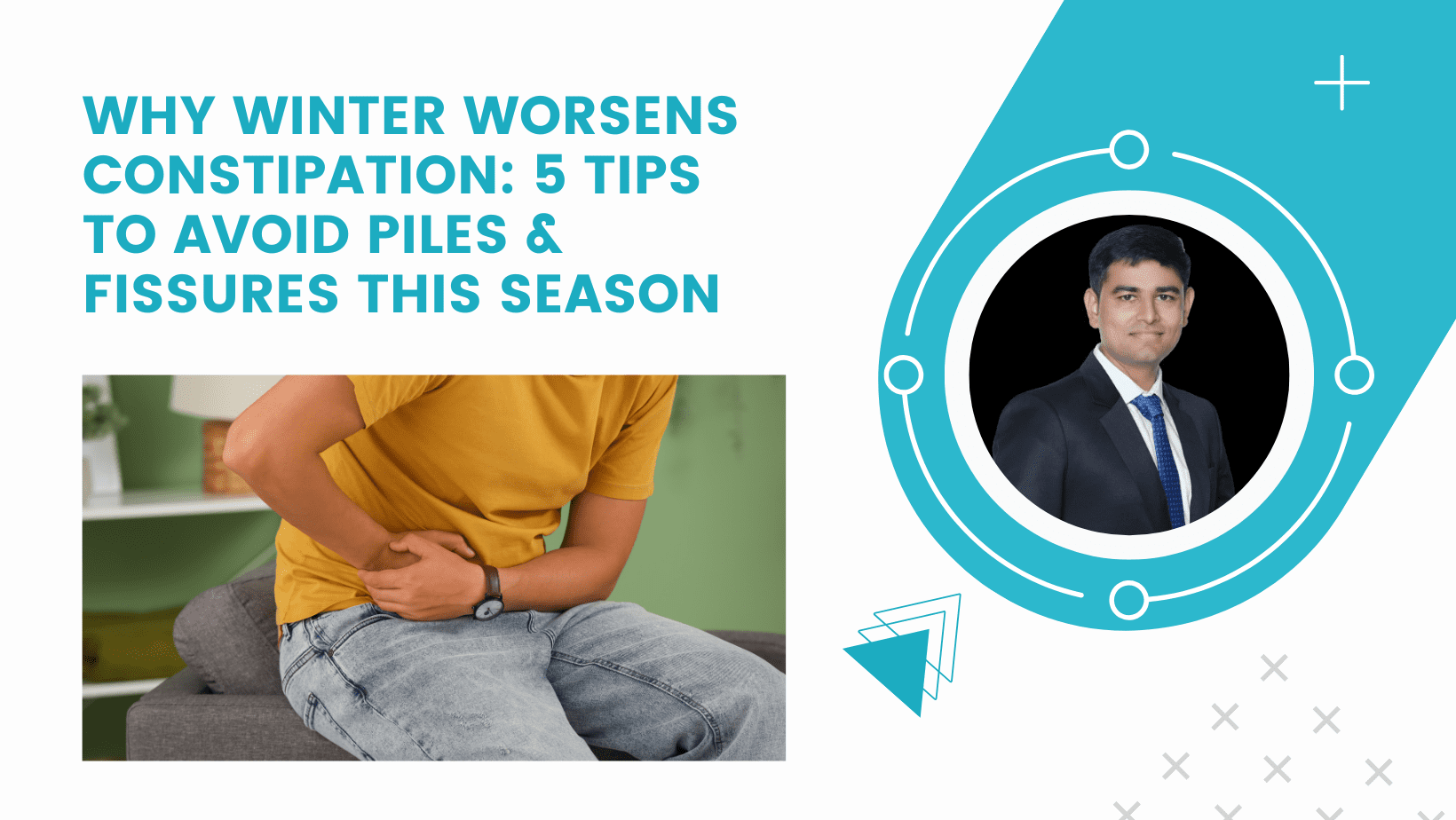
Why Winter Worsens Constipation: 5 Tips to Avoid Piles & Fissures this Season

As the winter months settle in, many people experience changes in their body’s rhythm. One common problem that worsens during this time is constipation. The cold weather not only impacts your mood but can also have adverse effects on your digestive health, leading to uncomfortable conditions like piles and anal fissures. Dr. Gastro, your trusted gastroenterologist in Ahmedabad, understands the seasonal health concerns associated with winter and offers expert advice to help you avoid constipation and related conditions. In this blog, we’ll explore why winter exacerbates constipation and provide 5 essential tips to keep your digestive system healthy during the colder months.

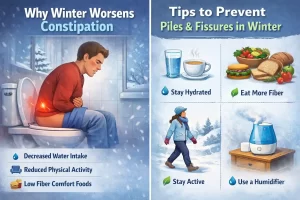
Why Winter Worsens Constipation:

The drop in temperature and changes in your daily habits during winter can directly affect your bowel movements. Here's why constipation can be a bigger issue during the colder season:
  1. Decreased Water Intake: During winter, people tend to drink less water due to the cold weather, not realizing that dehydration is one of the biggest contributors to constipation. When your body is dehydrated, the colon absorbs more water from the stool, leading to harder, drier stools that are difficult to pass.
  2. Reduced Physical Activity: Winter months often mean less physical activity. Cold weather, shorter days, and the comfort of staying indoors can discourage outdoor activities like walking or exercising. Physical inactivity slows down digestion and can contribute to constipation.
  3. Changes in Diet: The colder months tend to encourage comfort foods, which are often heavy and low in fiber. Foods high in fat and sugar and low in fiber can significantly disrupt your digestive system and worsen constipation.
  4. Body's Response to Cold Weather: The body’s natural response to cold weather can lead to a sluggish digestive system. During winter, the body focuses on preserving warmth, which can slow down metabolic and digestive processes, contributing to constipation.
  5. Less Sunlight and Reduced Vitamin D: Winter brings shorter days and less sunlight, leading to a drop in Vitamin D levels. Low Vitamin D can affect the functioning of your digestive system, contributing to constipation and related complications.
   

5 Tips to Avoid Piles & Fissures this Winter

If you're prone to constipation, it’s crucial to take extra care during the winter months. Without proper management, constipation can lead to complications like piles (hemorrhoids) and anal fissures—painful conditions that require medical treatment. Fortunately, with a few simple changes to your routine, you can minimize the risk of constipation and its associated issues this season.
  1. Stay Hydrated

During winter, it's easy to forget about hydration since we don’t feel as thirsty. However, water plays a crucial role in softening stool and promoting regular bowel movements. Aim to drink at least 8 glasses of water a day, even if you don’t feel thirsty. Herbal teas or warm water can be a good option to keep your body hydrated without feeling chilled. Tip: Start your day with a glass of warm water or a hot herbal tea. This can help kick-start your digestive system and encourage bowel movements.
  1. Increase Fiber Intake

Fiber is essential for proper digestion. It adds bulk to the stool and helps it move through the digestive tract smoothly. Winter foods like root vegetables, whole grains, and legumes are great sources of fiber that can prevent constipation. Include apples, pears, oats, spinach, and beans in your diet to ensure that your digestive system stays healthy. Tip: Incorporate more fiber-rich foods in your meals. Add ground flaxseeds or chia seeds to your morning smoothie or yogurt for a fiber boost.
  1. Maintain Regular Physical Activity

Even though the cold weather may discourage outdoor activities, it's important to keep your body moving. Regular exercise promotes good circulation and helps maintain healthy digestion. Even a 30-minute walk each day can significantly improve bowel movement frequency and consistency. Yoga, stretching, or even indoor exercises like dancing can also help stimulate digestion. Tip: Try to stay active by doing a 10-minute stretch or walk after meals. This simple habit can aid digestion and prevent constipation.
  1. Use a Humidifier to Prevent Dry Air

The air indoors during winter can be dry due to heating systems, which can cause dehydration. Dry air can also dry out your skin and mucous membranes, including the digestive tract. Using a humidifier in your bedroom or living area can help keep moisture in the air, preventing dehydration that can worsen constipation. Tip: Keep a humidifier in your room or place a bowl of water near the heater to help maintain air moisture levels.
  1. Establish a Routine and Listen to Your Body

In the colder months, it’s easy to ignore the body's natural urges to go to the bathroom, especially when you're cozy at home. However, delaying or ignoring the urge to go can lead to constipation and even more severe conditions like piles or fissures. Try to establish a regular bathroom routine and listen to your body's signals. Tip: Aim to visit the bathroom at the same time each day to help train your body to have regular bowel movements. Don’t rush, and give yourself enough time to fully relieve yourself.    

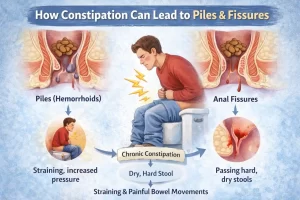
How Constipation Leads to Piles & Fissures:

Chronic constipation can cause a number of complications, with piles (hemorrhoids) and anal fissures being the most common. Here’s how they develop:
  • Piles (Hemorrhoids): These are swollen veins in the rectum or anus, often caused by the straining associated with constipation. Straining can also increase pressure, making hemorrhoids painful and prone to bleeding.
  • Anal Fissures: These are small tears in the skin around the anus, often caused by passing hard or dry stools. These tears can be very painful, especially during bowel movements.
Both conditions can be avoided or minimized with proper management of constipation through hydration, fiber, and regular physical activity.

When to See a Doctor

If you’ve tried the tips above but are still experiencing persistent constipation or discomfort, it’s important to consult a gastroenterologist. If you’re dealing with hemorrhoids or anal fissures, seek professional medical treatment to avoid further complications. Dr. Gastro, the leading gastroenterologist in Ahmedabad, can help you identify the root cause of your digestive issues and provide personalized treatment.

Conclusion

Winter can make constipation worse, but with the right habits, you can prevent the discomfort and complications that come with it. Staying hydrated, eating a fiber-rich diet, staying active, and establishing a routine are essential steps in managing constipation and avoiding conditions like piles and fissures. At Dr. Gastro, we believe in providing proactive solutions to your digestive health. If you’re struggling with constipation or related issues this winter, contact us today for expert advice and treatment tailored to your needs.
Read more...