best gastro ahmedabad

Can You Reverse Fatty Liver? A Guide to Managing MASLD

If you have recently had an ultrasound or blood work done, you might have heard your doctor say something like: "Everything looks fine, but you have a little bit of fatty liver. Try to eat better." You are not alone. It is estimated that 1 in 4 adults worldwide has excess fat in their liver. It is the most common chronic liver disease on the planet. For years, this condition was brushed off as a minor issue. But in the medical community, the alarm bells are ringing. We now know that fatty liver is not just a benign condition—it is a "silent epidemic" that can lead to severe scarring (cirrhosis), liver failure, and even cancer if left unchecked. The good news? The liver is the only organ in your body that can regenerate. Unlike heart disease or kidney damage, fatty liver is often 100% reversible if caught early. In this guide, we will break down the new name for the disease (MASLD), the silent symptoms you might be missing, and the exact roadmap to healing your liver.

First: Why Is the Name Changing? (NAFLD vs. MASLD)

If you are researching online, you will see two acronyms: NAFLD and MASLD. They refer to the same condition, but the medical world is undergoing a major re-branding.
  • The Old Name: Non-Alcoholic Fatty Liver Disease (NAFLD).
    • The Problem: This defined the disease by what it wasn't (alcohol-related). It was confusing and stigmatizing.
  • The New Name: Metabolic Dysfunction-Associated Steatotic Liver Disease (MASLD).
    • The Benefit: This name tells us the cause. It links liver health directly to your metabolism—specifically how your body handles sugar, insulin, and weight.
For the purpose of this article, we will use "Fatty Liver" and "MASLD" interchangeably.    

What Is Happening Inside Your Liver?

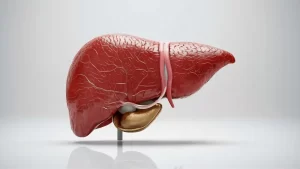
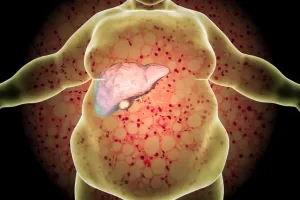
Your liver is the body's filter and chemical factory. It processes everything you eat and drink. A healthy liver should contain little to no fat. When you consume more calories—specifically from sugars and refined carbohydrates—than your body can burn, the liver turns that excess energy into fat molecules (triglycerides). These fat cells infiltrate the liver tissue. Think of it like a sponge soaked in grease.
  1. Steatosis (Simple Fatty Liver): There is fat, but no inflammation. The liver is working, but it’s under stress.
  2. MASH (Metabolic Dysfunction-Associated Steatohepatitis): The fat is now causing inflammation. The liver cells are swelling and dying. This is the danger zone.
  3. Fibrosis/Cirrhosis: The liver tries to heal the inflammation by creating scar tissue. Eventually, the liver becomes hard and lumpy (cirrhosis), leading to permanent failure.

The "Silent" Symptoms: How to Know If You Have It

The scariest part of MASLD is that it is usually asymptomatic until the damage is advanced. You cannot "feel" your liver getting fatter. However, many patients report subtle signs that they often attribute to aging or stress:
  • Chronic Fatigue: A deep tiredness that sleep doesn't fix. The liver regulates energy storage; when it’s struggling, your energy crashes.
  • Right Upper Quadrant Discomfort: A dull ache or feeling of "fullness" under your right rib cage. This isn't usually sharp pain; it’s the sensation of the liver physically enlarging and pressing on its capsule.
  • Brain Fog: Difficulty concentrating or feeling "fuzzy."
  • Signs of Insulin Resistance: Dark patches of skin on the neck or armpits (Acanthosis Nigricans) or skin tags.

Diagnosis: Beyond the Blood Test

"But my blood work was normal!" We hear this often. Standard liver enzymes (AST and ALT) can be completely normal even in patients with significant fatty liver. You cannot rely on basic blood work alone. To get a true picture, Gastroenterologists use:
  1. Ultrasound: Good for seeing if fat is present.
  2. FibroScan (Transient Elastography): This is a game-changer. It is a specialized ultrasound that measures the stiffness of your liver. It tells us specifically if you have scarring (Fibrosis) without needing a painful needle biopsy.

The Cure: How to Reverse It (No Pills Required)

Currently, there are very few FDA-approved medications specifically for fatty liver (though some new diabetes drugs are showing promise). The primary treatment—and the only one that works for almost everyone—is Lifestyle Medicine.

1. The 10% Weight Loss Rule

You do not need to become a supermodel to fix your liver. Studies show that losing just 7% to 10% of your body weight is enough to:
  • Remove the fat from the liver.
  • Reverse inflammation.
  • Even reverse early scarring (fibrosis). For a 200lb person, that is just 20lbs. It is a clearly defined, achievable target.

2. The Enemy is Sugar, Not Fat

For decades, people thought "eating fat makes a fatty liver." We now know the bigger culprit is Fructose (sugar). High Fructose Corn Syrup and refined white sugar hit the liver like a bomb, triggering immediate fat production.
  • The Fix: Eliminate sugary sodas, juices, and limit added sugars. Your liver will thank you within days.

3. The Mediterranean Diet Approach

This is the most evidence-based diet for liver health.
  • Eat: Olive oil, avocados, nuts (Healthy Fats), fatty fish (Omega-3s), and loads of vegetables.
  • Avoid: Processed meats, white bread, and boxed snacks.

4. The "Coffee" Prescription

This is the one piece of advice patients love. Multiple large-scale studies have shown that drinking coffee is protective for the liver. It lowers liver enzymes and reduces the risk of scarring.
  • The Dose: 2 to 3 cups of black coffee (caffeinated or decaf) per day seems to be the sweet spot. Just don't load it with sugar!

"Lean" Fatty Liver: It’s Not Just About Weight

It is crucial to note that "skinny" people can get this too. This is called Lean MASLD. Genetics, poor diet (high sugar/processed food), and visceral fat (fat hidden around the organs) can cause fatty liver in people with a normal BMI. If you are thin but have high cholesterol, pre-diabetes, or a family history, you should still be screened.    
When to See a Specialist

If you have been diagnosed with fatty liver, don't ignore it. You need to know where you stand on the spectrum.
  • Do you have simple fat? Or do you have scarring (fibrosis)?
Request a risk stratification appointment. We can use calculators (like the FIB-4 score) or a FibroScan to determine if your liver is stable or if you are at risk for cirrhosis.

Conclusion: A Window of Opportunity

Fatty liver is a warning shot. It is your body's way of waving a red flag before permanent damage occurs. Unlike cirrhosis, which is a one-way street, fatty liver is a two-way street. You can turn the car around. By cutting sugar, moving your body, and losing a modest amount of weight, you can completely de-fat your liver and restore your metabolic health. Don't wait for the silent epidemic to become a loud emergency. Start healing today.
Read more...
Best cancer surgeon in ahmedabad

Colon Cancer Screening Age Lowered to 45: What You Need to Know

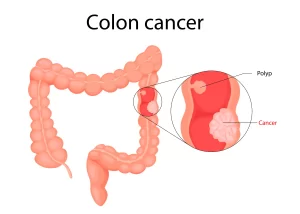
For decades, the "Magic Number" in gastroenterology was 50. We told patients: "Celebrate your 50th birthday, then come see us for your first colonoscopy." It was a rite of passage for entering middle age. But if you are 45, 46, or 47 years old and think you have a few years left before you need to worry about colon health, we have urgent news: The guidelines have changed. Due to a startling rise in cancer rates among younger adults, the major medical organizations (including the American Cancer Society and the USPSTF) have officially lowered the recommended screening age from 50 to 45. This isn't just a minor policy update; it is a response to a global health shift. In this post, we’ll explain why "45 is the new 50," the specific warning signs younger adults often ignore, and why a colonoscopy is actually much easier than you think.

Why Did the Screening Age Drop?

Medical guidelines don't change lightly. The decision to lower the screening age was driven by undeniable statistics regarding Early-Onset Colorectal Cancer. While rates of colon cancer have dropped in older adults (thanks to screening!), they are climbing alarmingly in adults under 50.
  • Since the mid-1990s, cases of colorectal cancer in people under 50 have increased by about 50%.
  • It is now the leading cause of cancer death in men under 50 and the second leading cause in women under 50.
The scary reality is that because younger people (and their doctors) don't suspect cancer, these cases are often diagnosed at a later stage (Stage 3 or 4) compared to older patients who get caught early during routine checks. The Goal of Lowering the Age: By starting screening at 45, we can catch precancerous polyps before they turn into cancer. A colonoscopy is one of the few medical tests that doesn't just detect disease—it prevents it.    

"But I Feel Fine!" — The Myth of Symptoms

One of the most dangerous myths is that you only need a colonoscopy if you have symptoms. Colon polyps (the precursors to cancer) usually have NO symptoms. You can feel healthy, run marathons, and eat organic food, and still have a polyp growing silently in your colon. Screening is for asymptomatic people. If you wait until you have pain or bleeding, it is no longer a "screening"—it is a diagnostic procedure for a problem that has already started.

5 Symptoms Young Adults Should NEVER Ignore

If you are under 45, you are not eligible for routine screening yet. This means you must be hyper-vigilant about your body. Too many young patients dismiss symptoms as "hemorrhoids" or "IBS" for years before seeking help. If you experience any of these, see a GI doctor regardless of your age:

1. Rectal Bleeding

Never assume blood in the toilet is "just hemorrhoids." While hemorrhoids are common, rectal cancer can mimic them perfectly. Any bleeding needs a physical exam.

2. A Change in Bowel Habits

We don't mean one day of constipation. We mean a pattern shift. If you have been "regular" your whole life and suddenly struggle with constipation for weeks, or if your stool becomes consistently thinner (pencil-thin stools), this could indicate a blockage.

3. Persistent Abdominal Pain

Cramping or gas pain that doesn't go away with diet changes or bowel movements should be investigated.

4. Unexplained Weight Loss

Losing 10+ pounds without trying is a major red flag for any type of cancer.

5. Iron Deficiency Anemia

If your blood work shows you are anemic (low iron) and you don't have a clear reason (like heavy periods), the iron is likely leaking somewhere. In men and post-menopausal women, the #1 suspect is the GI tract.

Who is at "High Risk"? (You Might Need to Start Before 45)

The "Age 45" rule is for average risk people. You are considered High Risk and may need to start screening at age 35 or 40 if:
  • Family History: A parent or sibling had colon cancer or polyps. The general rule is to start screening 10 years before the age your relative was diagnosed. (e.g., If Mom was diagnosed at 48, you start at 38).
  • IBD: You have a history of Ulcerative Colitis or Crohn’s Disease.
  • Genetics: You have Lynch Syndrome or FAP (Familial Adenomatous Polyposis).

The Procedure: Why Everyone Fears the Wrong Thing

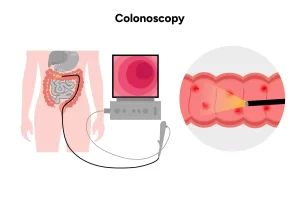
Patients often tell us they are terrified of the colonoscopy. When we ask why, they say: "I don't want to be in pain." The Truth: You will be asleep! Modern colonoscopies are performed under Sedation (usually Propofol). You are not just "relaxed"; you are completely out. You wake up feeling like you took a great nap, with zero memory of the procedure. The "hard" part isn't the scope; it's the Prep. Yes, drinking the laxative solution the night before isn't fun. It requires you to stay near a bathroom for several hours.
  • Good News: The "prep" has improved. We now often use lower-volume splits (drinking half at night, half in the morning) or pill-based preps for eligible patients. It is not the gallon of salty liquid your grandfather had to drink in 1990.
   

FIT Test vs. Colonoscopy: Is the "Poop Test" Enough?

You have probably seen ads for at-home tests like Cologuard or FIT (Fecal Immunochemical Test). These look for hidden blood or DNA markers in your stool. Are they good? Yes, better than nothing. Are they the best? No.
  • The FIT Test detects cancer.
  • The Colonoscopy detects and prevents
If a FIT test comes back positive, you have to get a colonoscopy anyway. Furthermore, a colonoscopy can find and remove small polyps before they bleed or shed DNA. If you want the "Gold Standard" of prevention, the colonoscopy is widely considered superior.

Conclusion: The Best Birthday Gift to Yourself

We know a colonoscopy isn't how you want to celebrate turning 45. It’s awkward, it requires a day off work, and the prep is annoying. But colorectal cancer is highly preventable. It is one of the few cancers we can stop in its tracks just by snipping out a polyp. If you were born in roughly 1980 or later, this is your wake-up call. Don't wait for symptoms. Don't wait for 50. Call your gastroenterologist and ask: "Is it time for my screening?" It might be the most important appointment of your life.
Read more...
best gastro ahmedabad

SIBO vs. IBS: Why You Are Constantly Bloated & How to Test

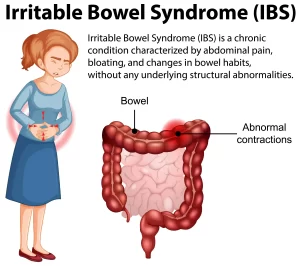
It is a scenario we see in our clinic every single day. A patient walks in, frustrated and exhausted. They tell us, "I wake up with a flat stomach, but by 4 PM, I look six months pregnant. I eat healthy, I exercise, but everything triggers me. My previous doctor told me it's just IBS, told me to eat more fiber, and sent me home. But the fiber made it worse." Does this sound like you? For years, Irritable Bowel Syndrome (IBS) has been a "wastebasket diagnosis"—a label given to patients when doctors can't find a visible cause for their stomach pain, bloating, and irregular bowel movements. But medical science has advanced. We now know that for a large percentage of people diagnosed with IBS (some studies suggest up to 60-70%), the root cause isn't just a "sensitive gut." It is a treatable condition called SIBO (Small Intestinal Bacterial Overgrowth). If you feel like you are fighting a losing battle with bloating, you might not have IBS. You might have SIBO. Here is everything you need to know about the difference, the diagnosis, and the cure.

What is SIBO?

To understand SIBO, you have to understand the geography of your gut. Your digestive tract has two main sections for processing food:
  1. The Small Intestine: This is where food is digested and nutrients are absorbed. It is meant to be relatively clean, with low levels of bacteria.
  2. The Large Intestine (Colon): This is where waste goes. It is teeming with trillions of bacteria (the microbiome) that help ferment fiber and produce vitamins.
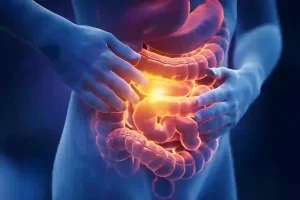
SIBO happens when the bacteria from the colon migrate upwards and set up camp in the small intestine. When these bacteria overgrow in the small intestine, they interfere with digestion. Instead of your body absorbing your food, these bacteria get to it first. They feast on the carbohydrates you eat and ferment them rapidly. This fermentation releases gas (hydrogen, methane, or hydrogen sulfide) trapped in the narrow tube of your small intestine. The result? profound, painful bloating that feels like trapped air.    

The "Tell-Tale" Signs: SIBO vs. IBS

Because SIBO is often a cause of IBS symptoms, the two look very similar. However, there are specific clues that point toward SIBO specifically.

1. The Timing of the Bloat

This is the biggest clue.
  • Typical IBS: You might feel generally uncomfortable or have cramping, but bloating varies.
  • SIBO: The bloating is directly tied to eating. You typically wake up with a flat stomach (because the bacteria have "fasted" overnight). However, within 60 to 90 minutes of eating breakfast or lunch, the bloating begins and progressively worsens throughout the day.

2. Fiber Intolerance

Doctors often tell IBS patients to "eat more fiber" or take Metamucil.
  • The SIBO Reaction: Fiber is the favorite food of gut bacteria. If you have SIBO, eating a big salad, an apple, or taking fiber supplements often feels like pouring gasoline on a fire. You get more bloated, not less.

3. Probiotics Make You Worse

  • The SIBO Reaction: Many people take probiotics to help their gut. But if you already have too many bacteria in your small intestine, adding more bacteria (even the "good" kind) can exacerbate the overcrowding and make symptoms worse.

4. Low Iron or B12 (Malabsorption)

  • The SIBO Reaction: Because the bacteria are sitting in your small intestine (where nutrient absorption happens), they can steal your nutrients. We often see SIBO patients with low Vitamin B12 or Iron levels despite a healthy diet.

The 3 Types of SIBO (Gas Types Matter)

Not all SIBO is the same. The symptoms you experience depend on the type of gas the bacteria are producing. This distinction is critical for treatment.
  1. Hydrogen SIBO:
    • Associated with: Diarrhea (IBS-D).
    • Mechanism: Hydrogen gas can speed up gut transit, causing urgency and loose stools.
  1. Methane SIBO (IMO - Intestinal Methanogen Overgrowth):
    • Associated with: Severe Constipation (IBS-C).
    • Mechanism: Methane gas acts as a paralytic to the gut. It slows down peristalsis (muscle contractions), causing severe constipation that is resistant to laxatives.
  1. Hydrogen Sulfide SIBO:
    • Associated with: "Rotten egg" smelling gas, bladder pain, and body aches.

Why Did I Get SIBO? (The Root Cause)

You cannot cure SIBO permanently unless you address why the bacteria are there in the first place. The small intestine has a self-cleaning mechanism called the Migrating Motor Complex (MMC). It’s a wave of muscle contractions that sweeps bacteria down into the colon between meals. If your MMC is broken or slow, bacteria build up. Common causes include:
  • Food Poisoning: A past bout of severe food poisoning (Salmonella, E. coli) can damage the nerves of the gut, slowing the MMC. This is called "Post-Infectious IBS."
  • Chronic PPI Use: Proton Pump Inhibitors (acid reflux meds) lower stomach acid. Acid is your body's natural disinfectant; without it, bacteria can survive and multiply where they shouldn't.
  • Abdominal Surgery: Previous surgeries (C-sections, appendectomies, gastric bypass) can create scar tissue (adhesions) that interferes with the flow of the intestine.
  • Hypothyroidism: Low thyroid function slows down every system in the body, including gut motility.

The Diagnosis: The Breath Test

The good news is that you don't need invasive surgery to diagnose SIBO. We use a simple, non-invasive Lactulose Breath Test. How it works:
  1. You drink a solution containing a sugar called lactulose. Humans cannot digest lactulose, but bacteria love it.
  2. You breathe into a tube every 15-20 minutes for 3 hours.
  3. The Logic: If bacteria are present high up in the small intestine, they will eat the sugar and produce gas early in the test (within the first 90 minutes).
  4. The machine measures the levels of Hydrogen and Methane in your breath to confirm the diagnosis and the type of SIBO.
   

How We Treat It: The "Kill and Restore" Protocol

Treating SIBO is a process, not a quick fix. It usually involves three phases.

Phase 1: Reduce the Bacteria (The "Kill" Phase)

We need to lower the bacterial load in the small intestine. We typically use:
  • Antibiotics: The most common is Rifaximin (Xifaxan). Unlike other antibiotics, Rifaximin stays in the gut and isn't absorbed into the blood, making it very safe with few systemic side effects.
  • Herbal Antimicrobials: For patients who prefer a natural route, specific herbs like Oregano Oil, Berberine, and Neem can be effective, though the course of treatment is longer (4-6 weeks vs. 2 weeks).

Phase 2: Starve the Bacteria (Diet)

During and immediately after treatment, we often prescribe a Low FODMAP Diet or a Specific Carbohydrate Diet (SCD). These diets temporarily remove the fermentable carbohydrates that feed the bacteria. This reduces bloating and prevents the bacteria from rebounding quickly.

Phase 3: Restore Motility (Prevention)

This is the step most people miss, leading to relapse. Once the bacteria are gone, we must ensure the "cleaning wave" (MMC) is working again.
  • We prescribe Prokinetics (motility agents). These can be low-dose prescription medications or natural supplements like Ginger and Artichoke extract taken before bed to stimulate the gut to "sweep" itself while you sleep.

Conclusion: You Are Not "Just" Anxious

For many of our patients, a SIBO diagnosis is a relief. It validates that the pain is real, physiological, and not "all in your head." If you have been managing "IBS" for years with little success, or if your bloating is affecting your quality of life, it is time to dig deeper. SIBO is treatable. You do not have to live with the bloat forever.  
Read more...
Best gastro ahmedabad

Ozempic Stomach Pain & Nausea: A GI Doctor’s Guide to Relief

It seems like everyone is talking about the new wave of weight loss medications. Drugs like Ozempic, Wegovy, Mounjaro, and Zepbound (known medically as GLP-1 receptor agonists) have revolutionized the treatment of diabetes and obesity. For many, they are miracle drugs, offering significant weight loss when diet and exercise alone haven’t worked. But for a growing number of patients, there is a flip side to the miracle. As a gastroenterology practice, we are seeing a surge in appointments from patients describing a specific set of uncomfortable—and sometimes alarming—symptoms. They report severe nausea, unrelenting heartburn, "sulfur burps," and abdominal pain. In the media, this phenomenon has been dubbed "Ozempic Stomach." If you are taking these medications and your digestive system feels like it has come to a screeching halt, you are not imagining it. In this comprehensive guide, we will explain exactly what is happening to your gut, how to manage the side effects without necessarily stopping your medication, and the serious warning signs that mean you need to see a doctor immediately.

The Mechanism: Why Do Weight Loss Shots Hurt My Stomach?

To understand the side effects, you have to understand how the drug works. Medications like semaglutide (Ozempic/Wegovy) and tirzepatide (Mounjaro/Zepbound) work by mimicking a hormone naturally produced in your gut called GLP-1. This hormone does three main things:
  1. Increases Insulin: It helps your pancreas release insulin to lower blood sugar.
  2. Signals Satiety: It tells your brain, "I am full," turning off the hunger signal.
  3. Slows Gastric Emptying: This is the key factor for GI symptoms. It physically slows down the rate at which your stomach empties food into your small intestine.

The Double-Edged Sword of "Delayed Gastric Emptying"

Slowing down digestion is actually how the drug helps you lose weight. Because food stays in your stomach longer, you feel full faster and stay full for hours. However, when this process works too well, or when your body is sensitive to the medication, it can lead to Gastroparesis-like symptoms. Gastroparesis literally translates to "stomach paralysis." Food sits in the stomach for too long, fermenting and causing pressure, rather than moving smoothly through the digestive tract.    

The 4 Most Common GI Side Effects (and Why They Happen)

  1. Nausea and Vomiting

This is the #1 complaint, affecting up to 20-40% of patients in clinical trials.
  • Why: When the stomach remains full of food for hours, distension occurs. The stomach sends distress signals to the brain's vomiting center.
  • The Experience: You may feel fine in the morning but increasingly nauseous as the day goes on as meals "stack up" in your stomach.
  1. Acid Reflux and Heartburn

  • Why: A full stomach exerts upward pressure on the Lower Esophageal Sphincter (the valve between your stomach and esophagus). Acid and semi-digested food are pushed back up into the throat.
  • The Experience: A burning sensation in the chest, especially when lying down at night, or a sour taste in the mouth.
  1. The Dreaded "Sulfur Burps"

This is a very specific search term trending online.
  • Why: Because food is sitting in the stomach longer than usual, it begins to ferment and break down before it even reaches the intestine. Bacteria act on the food, releasing hydrogen sulfide gas.
  • The Experience: You burp, and it tastes or smells distinctly like rotten eggs. This is a hallmark sign of delayed gastric emptying.
  1. Severe Constipation

  • Why: GLP-1 agonists slow motility throughout the entire GI tract, not just the stomach. As stool moves slower through the colon, more water is absorbed back into the body, leaving the stool hard and difficult to pass.
  • The Experience: Going days without a bowel movement, feeling bloated, or straining significantly.

How to Manage Symptoms: The "GLP-1 Diet" Strategy

You don't necessarily have to stop the medication to stop the pain. Often, the issue is that patients continue eating their "pre-medication" diet while on a medication that drastically changes digestion. Here are 6 Golden Rules for eating while on GLP-1 therapies:

Rule 1: Volume Control is Critical

Your stomach capacity is effectively smaller because it isn't emptying fast. You must switch from 3 large meals to 5 or 6 micro-meals.
  • Instead of: A large dinner plate.
  • Try: A saucer-sized portion. Stop eating the moment you feel a hint of fullness.

Rule 2: Prioritize Texture

Solid, dense foods (like steak or raw fibrous vegetables) take the longest to break down.
  • Shift to: Soups, smoothies, yogurt, flaky fish, and well-cooked vegetables. These are easier for a "slow" stomach to process.

Rule 3: Avoid High-Fat and Fried Foods

Fat naturally delays gastric emptying even in a healthy person. If you combine a high-fat meal (like a cheeseburger) with a GLP-1 medication, you are doubling down on the delay. This is the fastest way to trigger severe nausea or vomiting.

Rule 4: Ban the "Late Night Snack"

Because your stomach takes hours to empty, you cannot eat right before bed.
  • The Fix: Stop eating at least 4 hours before sleep. If you eat at 9 PM and lay down at 10 PM, that food will still be in your stomach, causing severe reflux all night.

Rule 5: Hydrate Between, Not During

Drinking large amounts of water during a meal adds volume to an already full stomach.
  • The Fix: Sip water throughout the day, but limit liquids 30 minutes before and after meals to leave room for nutrient-dense food.

Rule 6: Combat Constipation Early

Do not wait until you haven't gone for 4 days.
  • The Fix: Take a daily gentle osmotic laxative (like Miralax or generic Polyethylene Glycol) if recommended by your doctor. Stay hydrated.
   

A Critical Warning: Anesthesia and Surgery

This is a vital piece of information that many patients miss. Because these drugs keep food in your stomach for so long, standard fasting guidelines for surgery (e.g., "nothing to eat after midnight") may not be enough. Anesthesiologists are seeing cases where patients who fasted for 12 hours still had full stomachs during surgery. This poses a high risk of aspiration (vomiting food into the lungs while sedated), which can be fatal or cause severe pneumonia. The Medical Guideline: If you have a scheduled surgery or a procedure requiring sedation (like a colonoscopy or endoscopy), you must tell your doctor you are on these meds. The American Society of Anesthesiologists currently suggests holding the medication for at least one week prior to elective procedures, but your specific doctor may require a longer duration.

When Does "Ozempic Stomach" Become an Emergency?

While nausea is common, actual Gastroparesis or Ileus (intestinal blockage) is a serious medical complication. You should contact a gastroenterologist or visit the ER if you experience:
  1. Vomiting that won't stop: You cannot keep even liquids down for 24 hours. Dehydration is a major risk.
  2. Severe abdominal pain: Intense cramping that prevents you from standing up straight.
  3. Obstipation: The absolute inability to pass gas or stool, accompanied by a distended, hard belly. This could indicate a blockage.

Conclusion: Finding the Balance

GLP-1 agonists are powerful tools for metabolic health, but they require a new relationship with food. Your stomach is operating on a different timeline now, and you must respect that pace. If you are suffering from persistent symptoms despite changing your diet, it may be time to consult a gastroenterologist. We can help screen for underlying issues, prescribe anti-nausea medications, or help you transition off the drug safely if it isn't right for your body. Remember: Weight loss should improve your health, not make you miserable. If you are struggling with "Ozempic Stomach," help is available.
  • Primary Keyword: Ozempic stomach pain / Gastroparesis symptoms
  • Long-Tail Keywords (Questions): "Does Ozempic cause gastroparesis?", "How to relieve stomach pain from weight loss shots", "Sulfur burps Ozempic cure"
  • SEO Title: Ozempic Stomach Pain & Nausea: A GI Doctor’s Guide to Relief
  • Meta Description: Experiencing stomach pain or nausea on Ozempic or Wegovy? Learn why "Ozempic stomach" happens, how to manage it, and when to see a gastroenterologist.
 
Read more...