Hernia Surgery in Ahmedabad: Cost, Recovery & Aftercare Tips

At Dr Gastro, we understand that when someone is diagnosed with a hernia, many questions arise: What does the surgery involve? How much will it cost? How long will it take to recover? If you’re looking for specialist care in Gujarat, then your search for hernia surgery in Ahmedabad ends here. Let’s walk through everything you need to know—costs, recovery timelines, and aftercare best practices.

What Is a Hernia—and Why Might Surgery Be Needed?

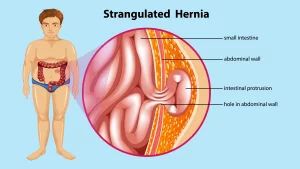
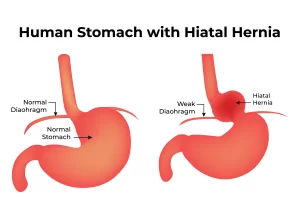
A hernia happens when an internal organ or tissue pushes through a weakened section of muscle or surrounding tissue wall—often in the abdomen or groin. Common types include inguinal (groin), umbilical (near the belly button), incisional (at a previous surgical site), and hiatal (upper abdomen). When conservative treatments don’t relieve symptoms—or if there is risk of complications like blockage or strangulation—a surgical repair becomes necessary. For those seeking trustedExpert care for hernia surgery in Ahmedabad, Dr Gastro offers advanced laparoscopic and open‑repair techniques to suit each patient’s unique condition. Cost of Hernia Surgery in Ahmedabad Understanding cost helps patients plan financially—not just the surgical fee but associated factors as well. Here’s what current data shows:
  • One source reports starting costs for laparoscopic hernia repair in Ahmedabad around ₹ 45,000, with averages up to ₹ 90,000‑₹ 1,20,000+. drishanshah.com+2HealthFinder+2
  • According to another provider, typical cost ranges for hernia surgery in Ahmedabad fall between ₹ 80,000 and ₹ 1,10,000. Pristyn Care+1
  • The actual cost depends heavily on factors such as the type of hernia (inguinal vs umbilical vs complex), the surgical technique used (open vs laparoscopic vs robotic), the hospital category (private/specialty vs government), room type, additional diagnostics, and surgeon fees. HexaHealth+1
Why Cost Varies
  • Surgical technique: Minimally invasive (laparoscopic or robotic) tends to cost more but offers faster recovery.
  • Hospital & room type: Premium hospitals, deluxe rooms, and extensive post‑op services raise costs.
  • Patient condition: More complex or recurrent hernias often require more time, intensive care, or mesh repair.
  • Mesh and materials used: Higher‑end medical mesh or special repair kits may add cost.
  • Pre‑ and post‑operative diagnostics & care: Scans, blood tests, longer hospital stay contribute to total.
Good to Know Even with variation, choosing a centre that balances expertise, equipment, and aftercare can drive better outcome—not just lower cost. If you’re considering hernia surgery in Ahmedabad, make sure cost clarity and quality of care go hand in hand. Recovery: What to Expect Recovery timeline varies based on surgery type, personal health, and hernia location. Below is a general guide: For Laparoscopic Repair
  • Hospital stay: Often 1–2 days, sometimes same‑day discharge in straightforward cases. Pristyn Care
  • Return to light activity: Within 2–4 days for many patients—but heavy lifting should be avoided for up to 4‑6 weeks.
  • Full recovery: Most able to resume most normal activity in 1–2 weeks, but full tissue healing takes longer.
For Open Repair
  • Hospital stay: 2–5 days depending on condition.
  • Moderate activity: Resume in 1–2 weeks, though heavy activity and full strength may take 4–6 weeks.
  • More caution: Because of larger incision and more tissue disruption, recovery is slower.
Common Post‑Op Tips
  • Walk soon after surgery: Promotes circulation and reduces risk of blood clots.
  • Manage pain: Use prescribed analgesics, avoid prolonged sitting which may strain.
  • Avoid heavy lifting or strenuous activity for at least 4‑6 weeks (longer if surgeon advises).
  • Monitor your wound: Watch for redness, swelling, fever—speak to your doctor if changes occur.
  • Ease back into exercise gradually: Core strengthening and abdominal support often introduced later.
Aftercare Tips to Ensure Smooth Healing & Long‑Term Success
  1. Follow diet recommendations: Eat well‑balanced meals, high in fibre to prevent constipation (which may strain surgical repair).
  2. Hydration & bowel habits: Drink ample water, consider gentle movement after meals to stimulate digestion.
  3. Avoid strain during bowel movements: Manage constipation with diet or mild laxatives if needed.
  4. Maintain ideal weight: Excess weight increases abdominal pressure and risk of recurrence.
  5. Support your incision: Use abdominal binder if directed, avoid pressure on repair area.
  6. Regular follow‑ups: Attend all post‑operative appointments so your surgeon can monitor recovery and intervene if needed.
  7. Know when to call your doctor: Persistent pain, bulging at incision, fever, vomiting, or unexpected swelling are signs of potential complication.
Why Choose Dr Gastro for Hernia Surgery in Ahmedabad
  • We specialise in hernia surgery in Ahmedabad, offering both laparoscopic and open repair under experienced general and Gastrointestinal surgeons.
  • We use state‑of‑the‑art equipment and follow international standards for surgical safety, asepsis and post‑operative care.
  • Our patient‑centric approach: personalised surgical plan, transparent cost breakdown, and comprehensive aftercare.
  • We emphasise minimal downtime and fast return to normal life: our goal is not just to fix the hernia—but to restore your quality of life.
Frequently Asked Questions (FAQ) Is surgery always necessary for a hernia? Not always. Small, asymptomatic hernias may be monitored—however, if you have pain, bulging, or recurrent issues, surgery is often recommended to avoid complications. Will my insurance cover hernia surgery? Yes. Most major health insurance policies in India treat hernia repair as medically necessary, so coverage is usually available—check your policy and the hospital’s empanelment. varadhospital.in Will the hernia come back after surgery? Recurrence risk exists if underlying factors (heavy lifting, chronic coughing, overweight) continue. Proper aftercare, lifestyle adjustments, and following your surgeon’s advice minimise the risk. Conclusion: Take the First Step Towards Relief If you’re dealing with a hernia and wondering about your options, it’s time to act. For reliable hernia surgery in Ahmedabad, Dr Gastro is here to help. Book a consultation, get a personalised surgical plan and cost estimate, and take your first step toward a healthier, stronger, pain‑free life. Contact us today to schedule your evaluation and discuss your hernia repair options with our expert team.
Read more...

Understanding Fatty Liver Disease: Causes, Risks, and Treatment Options

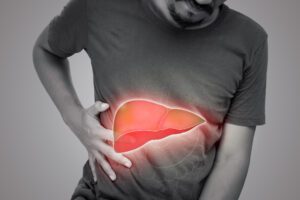
Fatty liver disease is becoming one of the most common liver conditions worldwide, affecting millions of people. Whether you’re in Ahmedabad or anywhere else, the rising prevalence of this condition highlights the importance of understanding its causes, risks, and treatment options. In this blog, we will explain what fatty liver disease is, the causes and risks associated with it, and how you can manage it with effective treatment options available at Fatty Liver Disease Treatment in Ahmedabad.

What Is Fatty Liver Disease?

Fatty liver disease o ccurs when there is an excessive accumulation of fat in the liver cells. While it is common for the liver to store some fat, excessive fat can lead to inflammation, liver damage, and even liver failure in severe cases. There are two main types of fatty liver disease:
  • Non-Alcoholic Fatty Liver Disease (NAFLD): This is the most common type, typically related to factors like obesity, diabetes, and poor diet.
  • Alcoholic Fatty Liver Disease (AFLD): This occurs when excessive alcohol consumption leads to fat buildup in the liver.
Fatty liver disease can range from mild to severe, and in some cases, it can develop into cirrhosis or liver cancer if not treated.

Causes of Fatty Liver Disease (What Is Fatty Liver Disease?)

There are several factors that contribute to the development of fatty liver disease, and they vary depending on the type (NAFLD or AFLD). Common causes include:
  1. Obesity
Being overweight or obese is one of the primary risk factors for fatty liver disease. Excess body fat leads to fat accumulation in the liver, causing the condition to develop.
  1. Type 2 Diabetes
People with Type 2 diabetes are more likely to develop fatty liver disease due to insulin resistance, which affects the body’s ability to process fat.
  1. Poor Diet
A diet high in unhealthy fats, sugars, and processed foods increases the likelihood of fatty liver disease. Lack of nutrients and excessive calorie intake can overwhelm the liver.
  1. Excessive Alcohol Consumption
For those with alcoholic fatty liver disease, chronic and heavy alcohol consumption is a major cause. Alcohol interferes with the liver’s ability to process fats, leading to fat buildup.
  1. Genetics and Family History
If someone in your family has had fatty liver disease, you may be at an increased risk of developing it yourself.
  1. Medications
Certain medications, such as corticosteroids, can increase fat buildup in the liver. Always consult your doctor before making any changes to your medication regimen.
  1. Other Medical Conditions
High blood pressure, high cholesterol, and sleep apnea have also been associated with a higher risk of developing fatty liver disease. Risks Associated with Fatty Liver Disease If left untreated, fatty liver disease can lead to severe complications, such as:
  1. Cirrhosis
This is the most serious complication, where the liver becomes scarred and loses its ability to function properly. Cirrhosis is often irreversible and can lead to liver failure.
  1. Liver Cancer
Over time, the damage from fatty liver disease can increase the risk of liver cancer (hepatocellular carcinoma), especially in those with cirrhosis.
  1. Heart Disease
People with fatty liver disease are at a higher risk of developing cardiovascular problems, including heart attack and stroke.
  1. Liver Failure
In advanced stages, fatty liver disease can lead to liver failure, where the liver is no longer able to perform its essential functions, requiring a liver transplant in extreme cases.
  1. Diabetes and Other Metabolic Disorders
Fatty liver disease is closely linked with metabolic disorders like insulin resistance, which can worsen other chronic conditions such as diabetes. Treatment Options for Fatty Liver Disease If you’ve been diagnosed with fatty liver disease, there are several treatment options available. The first step is always to consult with a healthcare provider for an accurate diagnosis and personalized treatment plan.
  1. Lifestyle Changes
The most effective treatment for fatty liver disease is often lifestyle modification. This includes:
  • Losing weight: Even a small reduction in body weight can significantly improve liver health.
  • Improving diet: Eating a healthy, balanced diet rich in fruits, vegetables, whole grains, and lean proteins helps reduce fat accumulation in the liver.
  • Exercise: Regular physical activity, such as walking, swimming, or cycling, can help burn excess fat and improve liver function.
  1. Medications
While there are no specific medications approved to treat fatty liver disease directly, doctors may prescribe medications to manage associated conditions such as diabetes, high cholesterol, or high blood pressure. In some cases, vitamin E and other antioxidants may be recommended to reduce liver inflammation.
  1. Managing Underlying Conditions
Controlling risk factors like Type 2 diabetes, obesity, and high cholesterol can slow the progression of fatty liver disease and reduce the risk of complications. For individuals with alcoholic fatty liver disease, the most effective treatment is to stop drinking alcohol entirely.
  1. Regular Monitoring
For patients with advanced fatty liver disease, regular monitoring through blood tests and imaging studies is important to track liver health and catch complications early.
  1. Advanced Treatments
In severe cases of fatty liver disease, such as cirrhosis or liver failure, a liver transplant may be the only option. However, this is usually a last resort, after all other treatments have been exhausted. Why Choose Dr Gastro for Fatty Liver Disease Treatment in Ahmedabad? At Dr Gastro, we offer comprehensive diagnosis and treatment options for fatty liver disease. Whether you are in the early stages or need advanced treatment options, our expert team is here to help. We provide:
  • Advanced Diagnostic Tools: From blood tests to imaging studies, we use the latest technology to accurately diagnose and assess fatty liver disease.
  • Personalized Care Plans: Each patient is different, and we offer tailored treatment plans to ensure the best outcomes.
  • Experienced Team of Specialists: Our gastroenterologists are highly trained in managing liver conditions, including fatty liver disease.
  • Comprehensive Follow-up: We provide ongoing care to monitor your progress and adjust your treatment plan as needed.
Conclusion: Don’t Wait to Take Action Fatty liver disease can be a serious condition, but with the right care and treatment, it is manageable. Fatty liver disease treatment in Ahmedabad is available at Dr Gastro, where our team of experts will guide you through every step of your treatment. If you’re dealing with fatty liver disease symptoms, schedule a consultation today and take control of your liver health. With the right treatment, you can live a healthier, more active life. YouTube – Understanding Fatty Liver Disease Video Contact us today at Dr Gastro for personalized care and effective treatment options for fatty liver disease.
Read more...

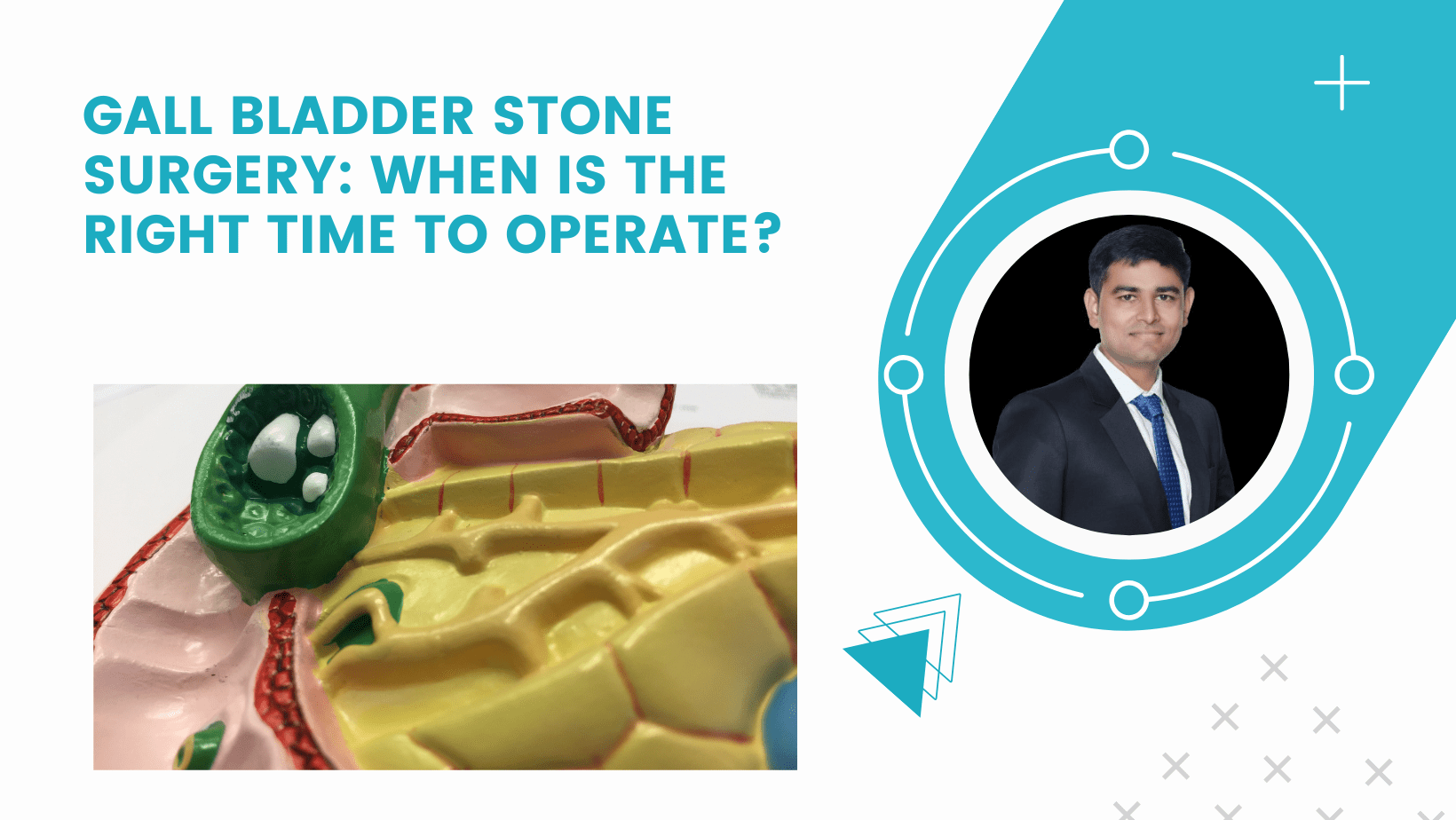
Gall Bladder Stone Surgery: When Is the Right Time to Operate?

Gall bladder stones are a common yet painful condition that can cause a variety of symptoms, from mild discomfort to severe pain. When it comes to treatment, surgery is often recommended if the condition worsens. At Dr Gastro, we specialize in Gall Bladder Stone Surgery in Ahmedabad, offering the latest surgical methods to ensure a quick and efficient recovery. But when is the right time to consider surgery? Let’s explore the signs, causes, and the best treatment options for gall bladder stones.

What Are Gall Bladder Stones?

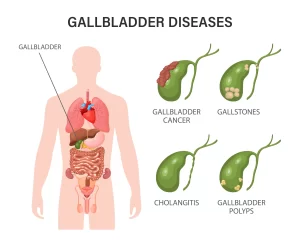
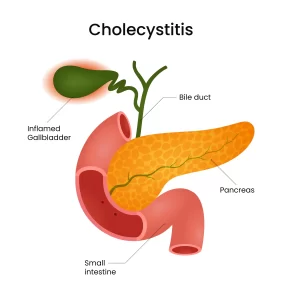
Gall bladder stones (also known as cholelithiasis) are hardened deposits of bile that form in the gall bladder. The gall bladder, a small organ located just beneath the liver, stores bile, which helps digest fats. These stones can vary in size and may be composed of cholesterol or bilirubin. Gall bladder stones may not cause immediate symptoms, but they can lead to painful complications if left untreated. In some cases, they can block the bile ducts, leading to a condition called cholecystitis or even jaundice, which is why it’s important to understand when surgery might be necessary. Symptoms of Gall Bladder Stones: When Should You Seek Treatment? Some people with gall bladder stones may not experience symptoms. However, if you’re dealing with any of the following, it might be time to consider gall bladder stone surgery in Ahmedabad:
  • Abdominal Pain: Often severe, this pain typically occurs in the upper right side of the abdomen and may last for several hours. It’s usually triggered after eating a fatty meal.
  • Indigestion and Bloating: Feeling full, bloated, or having indigestion after meals can be signs of gall stones.
  • Nausea or Vomiting: Persistent nausea and vomiting, particularly after eating, are common symptoms.
  • Jaundice: Yellowing of the skin or eyes can occur if a gall bladder stone blocks a bile duct.
  • Fever and Chills: If an infection is present, fever may develop, which requires immediate medical attention.
If you experience any of these symptoms, it’s best to consult a specialist for a diagnosis. When Is the Right Time for Gall Bladder Stone Surgery? The decision to have gall bladder stone surgery depends on several factors. Here are the key signs that surgery may be necessary:
  1. Frequent or Severe Pain
If you experience recurrent episodes of intense abdominal pain (biliary colic) due to gall stones, surgery might be recommended. These episodes can become more frequent and severe over time.
  1. Infection or Inflammation
If a gall bladder stone causes infection (cholecystitis) or inflammation of the gall bladder, it becomes a medical emergency. In this case, gall bladder stone surgery in Ahmedabad is often the only treatment option to prevent serious complications like gall bladder rupture.
  1. Obstruction of the Bile Duct
When a gall stone blocks the bile duct, it can lead to jaundice, pancreatitis, and other life-threatening conditions. Surgery is needed to remove the stone and restore proper bile flow.
  1. Chronic Digestive Problems
If gall bladder stones are causing frequent digestive problems, such as nausea, bloating, or indigestion, it may be time to consider surgery for better long-term relief.
  1. Risk of Gall Bladder Cancer
Although rare, untreated gall bladder stones may increase the risk of gall bladder cancer. In cases of chronic inflammation or symptoms that do not resolve, surgery may be necessary as a preventive measure. Types of Gall Bladder Stone Surgery There are two primary types of surgeries for gall bladder stone removal:
  1. Laparoscopic Cholecystectomy (Minimally Invasive)
This is the most common method used for gall bladder stone surgery in Ahmedabad. It involves making small incisions in the abdomen, through which a camera and surgical tools are inserted. The gall bladder is then removed using these instruments. This method offers several advantages:
  • Smaller incisions and faster recovery time
  • Less pain after the procedure
  • Shorter hospital stay
  1. Open Cholecystectomy (Traditional Surgery)
In some cases, especially if there are complications or if the gall bladder is severely inflamed, a traditional open surgery may be necessary. This involves a larger incision and a longer recovery period. At Dr Gastro, our surgeons are experienced in both procedures, using the most appropriate method depending on the severity of the condition. What to Expect After Gall Bladder Stone Surgery After your surgery, recovery time will vary depending on the type of surgery performed:
  • Laparoscopic Surgery: Most patients can go home the same day or the next day. The recovery period typically lasts 1–2 weeks, and you can resume light activities shortly after.
  • Open Surgery: Recovery may take 4–6 weeks, as the procedure is more invasive. Hospital stays are longer, and you will need to avoid strenuous activities during this period.
Aftercare Tips:
  • Avoid fatty foods for a few weeks to allow your digestive system to adjust.
  • Stay hydrated and eat light, easy-to-digest meals initially.
  • Follow up with your surgeon for post-surgery checkups and monitoring.
Why Choose Dr Gastro for Gall Bladder Stone Surgery in Ahmedabad? At Dr Gastro, we offer the latest techniques for gall bladder stone surgery in Ahmedabad. Our team of expert gastroenterologists and surgeons provide personalized care, ensuring the best possible outcome for each patient.
  • Experienced Surgeons: Our surgeons are highly skilled in both laparoscopic and open surgery techniques.
  • State-of-the-art Facilities: We use advanced diagnostic tools and modern surgical equipment.
  • Comprehensive Care: From diagnosis to post-surgery recovery, we offer a full spectrum of care tailored to your needs.
Conclusion: Take the First Step Toward Relief If you are experiencing symptoms of gall bladder stones, it’s essential to get a professional opinion. Gall bladder stone surgery in Ahmedabad can provide lasting relief and prevent serious complications. Schedule a consultation today at Dr Gastro and take the first step toward a healthier, pain-free life. We are here to provide expert care for your gall bladder health.
Read more...

Piles Treatment in Ahmedabad: Symptoms, Causes & Best Care Options

At Dr Gastro, we understand that piles (also known as haemorrhoids) can be one of the most uncomfortable and embarrassing conditions many people face. But here’s the truth: you’re not alone — and effective, minimally‑invasive care is available right here in Ahmedabad. In this blog, we’ll walk you through what piles are, the causes, warning signs to watch for, and the best treatment and after‑care options so you can move back to comfort and confidence.

What Are Piles?

Piles (haemorrhoids) are swollen or inflamed veins in the lower part of the rectum and anus. They can occur internally (inside the rectum) or externally (beneath the skin around the anus). The irritation, pain, itching and bleeding associated with piles often lead people to seek treatment. The good news: many cases are treatable effectively. Piles treatment in Ahmedabad offers a range of solutions, from lifestyle changes to advanced medical treatments, ensuring relief from symptoms. Recognising Symptoms — Don’t Ignore Them Early recognition means better outcomes. Common symptoms include:
  • Bright red blood on the toilet paper or in the toilet bowl
  • Pain or discomfort when sitting or during bowel movements
  • Itching or irritation around the anus
  • A lump or swelling near the anus that may be sensitive or painful
  • Leakage of faeces or difficulty cleaning after a bowel movement
When you experience any of these signs, it’s a good idea to consult a specialist rather than ignoring the problem. Persistent bleeding or severe pain should prompt immediate attention. What Causes Piles? The Root Triggers Understanding why piles occur helps reduce recurrence. Key causes include:
  • Constipation and straining during bowel movements: This is one of the most common factors. When you push hard or sit long on the toilet, pressure builds in the veins of the rectum and anus.
  • Pregnancy: The increased pressure in the abdomen, hormonal changes, and more frequent constipation contribute.
  • Sitting or standing for long periods, especially without movement — this means more pressure on the veins in your lower rectal area.
  • Heavy lifting or activities that increase intra‑abdominal pressure.
  • Obesity and a low‑fibre diet: Both slow digestion and increase straining.
  • Aging and weakened tissues: As we age, tissues that support veins in the rectum and anus can weaken, causing them to swell.
Grading & Severity — How Serious Is Your Condition? Piles are often categorised into grades I to IV depending on severity:
  • Grade I: Veins are swollen but remain inside the rectum.
  • Grade II: Veins bulge outside during bowel movements but reduce on their own.
  • Grade III: Veins bulge and must be pushed back manually.
  • Grade IV: Veins bulge and cannot be pushed back — may cause complications.
The earlier you catch it, the easier and less invasive the treatment tends to be. Best Care Options: From Home Management to Advanced Treatment Here’s how piles treatment in Ahmedabad helps patients across the full spectrum of care.
  1. Conservative & Lifestyle Intervention
For mild or early‑stage piles (Grade I‑II), these are often first‑line:
  • Increase dietary fibre (green vegetables, whole grains, pulses) and water intake
  • Avoid long periods of sitting or straining on the toilet
  • Gentle walk or movement after meals to improve bowel function
  • Use of over‑the‑counter creams or sitz baths to reduce discomfort
These lifestyle changes can relieve symptoms and prevent progression.
  1. Minimally Invasive Procedures
When lifestyle changes aren’t enough, we offer advanced, gentle treatments:
  • Rubber band ligation: A small band is placed at the base of the haemorrhoid to cut off its blood supply, causing it to shrink.
  • Infrared coagulation / laser therapy: A laser or infrared light shrinks haemorrhoids quickly and with less discomfort.
  • Sclerotherapy: A solution is injected into the vein to shrink it.
These techniques offer faster recovery, less pain, and fewer complications than traditional surgery.
  1. Surgical Intervention
For advanced cases (Grade III‑IV) or when other methods fail:
  • Haemorrhoidectomy: Surgical removal of problematic haemorrhoids.
  • Stapled haemorrhoidopexy: Less painful method that reduces blood flow to piles and fixes the tissue back in place. We ensure all procedures are performed in accredited hospitals with experienced colorectal surgeons.
Why Choose Dr Gastro in Ahmedabad?
  • We’re local to Ahmedabad – no need to travel far for expert care
  • Our team uses the latest proctology techniques, including laser and minimally invasive options
  • We personalise treatment – not a “one‑size‑fits‑all” approach
  • We emphasise after‑care and prevention, so your condition stays managed long term
Recovery & Aftercare: What to Expect
  • Resume light activity within 24‑48 hours post‑procedure (for minimally invasive treatments)
  • Avoid heavy lifting or straining for 1–2 weeks
  • Keep your diet rich in fibre and fluids; regular bowel movement is key to smooth recovery
  • Use sitz baths twice daily to reduce swelling and discomfort
  • Attend follow‑up appointments to monitor healing and prevent recurrence
With proper aftercare, most patients return to normal life quickly and comfortably. Questions You Might Have: FAQ Will I experience bleeding after treatment? Minimal bleeding may occur, especially after invasive procedures — but during recovery the proper post‑care ensures rapid healing. Can piles come back after treatment? Yes, there is recurrence risk if underlying factors (constipation, straining) aren’t addressed — which is why lifestyle intervention is vital. Is laser treatment safe? Yes — laser and other minimally invasive technologies are proven, safer, offer quicker recovery, and less pain. When Should You Consult a Specialist Immediately? Seek expert evaluation at Dr Gastro if you notice:
  • Significant bleeding during bowel movements
  • Persistent pain or discomfort despite home care
  • A prolapsed lump hanging outside that cannot be pushed back in
  • Changes in bowel habits or unexpected weight loss
These may indicate advanced piles or a different condition requiring timely intervention. Final Thoughts & Next Steps Don’t let discomfort, embarrassment or delay stop you from getting relief. Piles are common — but with the right care they are manageable and treatable. If you’re living in Ahmedabad and searching for reliable treatment options, expert guidance and long‑term relief, Dr Gastro is here for you. Schedule a consultation today at drgastro.in and take the first step toward a comfortable, confident, pain‑free life.
Read more...