When you’re at a point of considering Hernia treatment in Ahmedabad, you probably know about symptoms, types, surgical vs non-surgical approach. But there’s more to the decision. What brings comfort and long-term relief in such treatments is familiarity with things like relief measures, cost transparency, hospital choices, prevention, and how you prepare beforehand. Here’s a guide to help you explore those often-overlooked aspects so you can make an informed decision for getting effective relief in the smartest way.Treatment for a hernia is specific to its type and severity. While surgery is the only permanent cure for most hernias, there are non-surgical measures that focus on symptom management and preventing complications. The most effective path depends on the type, size, and severity of the hernia, as well as the patient's overall health. Consulting a doctor for Hernia treatment in Ahmedabad is crucial to help determine the best plan to move forward.RELIEF MEASURES FOR DIFFERENT TYPES OF HERNIA:It is crucial to consult a doctor for a proper diagnosis and treatment plan, as an untreated hernia can lead to serious complications, such as strangulation.
Inguinal hernia
The hernia appears as a bulge in the groin, which is the area between the lower abdomen and the thigh. This is a result of a weakness in the abdominal wall that allows fatty tissue or a portion of an organ, like the intestine, to bulge through.
Maintain a healthy weight: Excess weight puts pressure on the abdominal wall. Losing weight can reduce this pressure and alleviate symptoms.
Manage chronic cough or constipation: Conditions that cause frequent straining should be treated immediately to prevent worsening a groin hernia.
Hernia belts: A supportive undergarment or belt can apply gentle, targeted pressure to keep the hernia in place and relieve discomfort. This is a temporary solution that should only be used under a doctor's guidance.
Recline to reduce the bulge: If it is a reducible hernia, lying flat on your back can aid the abdominal contents to return to their proper locations, providing relief.
Umbilical herniaThe hernia occurs near or at the navel, which is where the umbilical cord was connected to the fetus. This happens if the opening in the abdominal wall for the umbilical cord hasn’t closed completely after birth. It can cause a soft swelling or bulge at the belly button, which may be more prominent when a baby cries or an adult strains or coughs
Gentle exercises: Physical therapy or gentle, low-impact exercises like walking, swimming or gentle yoga can strengthen core muscles without straining or increasing pressure on the abdomen.
Watchful waiting for infants: For young children, many umbilical hernias close on their own. A doctor may simply monitor it for Hernia treatment in Ahmedabad for kids.
Managing weight: In adults, similar to inguinal hernias, managing weight and avoiding abdominal strain are key to controlling symptoms.
Hiatal herniaThis hernia occurs when the upper part of the stomach pushes up through an opening in the diaphragm (the muscle that separates the abdomen and chest) into the chest cavity. This often causes acid reflux and heartburn.
Dietary adjustments: Avoiding large or heavy meals and foods that trigger heartburn, such as fried foods and caffeine, can provide relief. Eating smaller, more frequent meals and not lying down immediately after eating can help.
Elevate the head of the bed: Raising the head of your bed by a few inches can help prevent stomach acid from coming up the oesophagus while you sleep.
Quit smoking: Since smoking weakens connective tissues and increases the risk of acid reflux, quitting it can bring relief.
Avoid tight clothing: Wear loose-fitting, comfortable clothes that don't put pressure on the abdominal area.
Use pain medication: For general pain, over-the-counter pain relievers like acetaminophen or ibuprofen may be recommended by a doctor. For a hiatal hernia, medications like antacids can reduce stomach acid to relieve heartburn.
Incisional herniaThis hernia is located at the site of a previous surgical incision. It occurs when tissue, such as an organ or intestine, pushes through a weakened abdominal wall at a surgical scar. While they can happen anywhere an incision was made, they are most common along the midline of the abdomen, running from sternum down to the pubis.
Protect the incision post-surgery: For a period after a major abdominal operation, you should avoid excessive straining and may be advised to wear a special abdominal binder to support the area.
Support during strenuous actions: If you need to cough, sneeze, or strain, holding a pillow firmly against your incision can help ease pain and support the area.
Physical therapy: Guided exercises may be recommended to strengthen the core muscles and provide gradual support.
Ice pack: Applying an ice pack can help reduce pain and swelling. Wrap it in a towel and apply for 10–15 minutes at a time.
PREVENTIVE MEASURESPreventing hernia requires adopting lifestyle habits that reduce abdominal pressure and enhance muscle strength. Maintaining a healthy body weight is crucial, as excess weight strain on the abdominal wall can increase the risk of hernia formation. Regular physical activity, like planks and pelvic tilts strengthen the core, providing better support to internal organs. Use proper form when lifting objects by bending your knees and keeping your back straight to avoid straining. Maintain regular bowel movements by eating a diet that is high in fibre and stay hydrated.While these approaches do not cure hernias, they can play a pivotal role in symptom management and overall well-being. By adopting these preventive measures, individuals can significantly reduce their risk of developing a hernia and promote overall abdominal health.WHEN TO SEEK EMERGENCY CARE?While the measures mentioned above can provide relief in cases where doctors recommend waiting or monitoring the hernia, certain symptoms require prompt medical attention. Surgery is the definitive treatment for most hernias and is required if the hernia is painful, getting larger, or becomes incarcerated (trapped) or strangulated (blood supply cut off). Seek Hernia treatment in Ahmedabad immediately in case of:
Sudden, severe pain.
Redness, swelling, or discoloration over the hernia.
Fever, nausea, or vomiting.
A bulge that cannot be pushed back in (incarcerated hernia)
It is important to realise that hernias are structural abnormalities that typically do not resolve without intervention. Therefore, individuals experiencing symptoms should consult healthcare professionals for Hernia treatment in Ahmedabad to determine the most appropriate course of action.By integrating these supportive measures, individuals can effectively manage hernia symptoms and improve their quality of life, all while incorporating surgical or non-surgical interventions as advised.
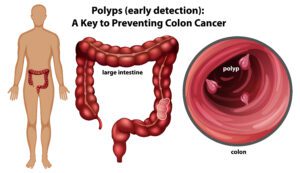
One of the most common types of cancer is Colon Cancer or colorectal cancer which affects both men and women worldwide. Colon cancer happens when cells in the colon develop changes in their DNA, causing them to multiply uncontrollably and form a tumour that can invade and spread to other parts of the body. Often, these cancers begin as non-cancerous growths called polyps that can become malignant over time. The number of cases is rising in India, which demands the necessity of awareness of its symptoms so that a person can seek timely medical treatment.SYMPTOMS
Abdominal pain
Clueless weight loss
Blood in the stool
Weakness or fatigue
Persistent abdominal discomfort such as gas, cramps, or bloating
Changes in bowel movement are very common symptoms in Colon Cancer.
Sometimes, the abdominal pain and other non-specific symptoms mimic early signs of appendicitis, leading to incorrect diagnosis. If one is consistently experiencing these symptoms, seeking medical attention on immediate basis is important. If diagnosed timely, Colon Cancer treatment in Ahmedabad is not only accessible but also highly effective.
IMPORTANCE OF EARLY DIAGNOSIS:
As the cases of Colon Cancer are rising in India, one can never be too careful in noticing and seeking medical attention for any signs of illness or weakness related to abdomen or bowel movements. When the symptoms are caught in the initial stage, it significantly increases survival rates and treatment is often less aggressive and more effective. Early diagnosis, sometimes before it bec omes cancer, can involve removing precancerous polyps during a colonoscopy. Colon cancer is often called a silent killer. This is because in its developing stage, colon cancer can have symptoms that are very difficult to take note of. However, as the cancer progresses, symptoms like rectal bleeding, pain in abdomen and changes in bowel movement starts to appear more clearly. This time is crucial to consult a doctor for Colon Cancer treatment in Ahmedabad who can provide comprehensive care, including treating the cancer.HOW TO DETECT COLON CANCER TIMELY?Screening on regular bases can be helpful in detecting colon cancer in its early stage. Even if a person has shown no symptoms of colon cancer, major medical guidelines suggest that screening can be helpful from around the age of 45 or more to be cautious and prevent it from developing unknowingly.Screening testsColonoscopy: It is the most common amongst all screening tests. The entire rectum is examined in this method and abnormal growth or biopsies can be done if needed.Faecal Immunochemical Test: Commonly known as FIT, can be done by examining the stool to find any sign of colon cancer if present.CT Colonography: Also known as virtual colonoscopy is performed using low-dose X-rays to create images of the colon and rectum.Sigmoidoscopy: It is quite similar to a colonoscopy but it examines the lower part of the colon.Imaging testsIf screening tests indicate the presence of colon cancer, a doctor will typically recommend further, more specific diagnostic and imaging tests to confirm the diagnosis and determine the extent of the cancer to plan colon cancer treatment in Ahmedabad accordingly.CT Scans and MRI Scans: Done to get the detailed reports and identify whether the cancer is spreading to other parts of the body.Endorectal MRI: Done to determine whether the tumor has invaded nearby organs of the body.TREATMENTThere are various treatment options that doctors explore for Colon Cancer treatment in Ahmedabad. It is based upon the location and stage of the cancer as well as the patient’s overall health. Surgery to remove the tumor, chemotherapy and radiation therapy to kill cancer cells, and newer techniques like targeted therapy and immunotherapy are considered to treat the cancer.RISK FACTORSColon cancer can happen to anyone, but certain people are significantly at a higher risk than others. Factors that put some people at a greater risk of developing it include:
Age: The risk of colon cancer increases significantly with age. Most diagnoses are occurring in people over 50 which is why 45 is the recommended screening age.
History: Having had colorectal cancer previously or certain types of polyps increases risk of it developing again. A family history of colon cancer also increases the risk because one may inherit genetic predispositions. The risk is higher with a close relative (parent, sibling, child) who was diagnosed at a young age.
Inflammatory bowel disease: Long-term inflammatory bowel diseases like ulcerative colitis or Crohn's disease are associated with increased risk.
Diet: High ratio of red meat and low ratio of fibrous food or heavy consumption of alcohol can increase risk.
Habits: Smoking and consuming or inhaling tobacco might raise your risk of cancer.
Physical movement: A sedentary lifestyle, not exercising regularly and excess weight may increase chances of cancer.
Previous radiation: Previous exposure of the abdomen to radiation therapy can increase risk.
PREVENTIVE MEASURESBy changing eating habits and following a healthier lifestyle, one can lower the risk of Colon Cancer. Include consumption of fruits, vegetables and whole grains for a high fibre diet, maintain a healthy weight by engaging in regular physical activity, quit smoking and limit red-meat and alcohol consumption if applicable. It is also crucial to get regular colon cancer screenings especially for those who have a family history of this disease or are around the age of 45.COMMUNITY AWARENESS AND PREVENTIVE EFFORTSIn Ahmedabad, increasing awareness about colon cancer is becoming a public health priority. Various hospitals, NGOs, and health organizations are actively organizing awareness camps, free screening programs, and educational workshops to encourage early detection. Government health departments also collaborate with private healthcare providers to promote colon cancer screening under preventive health check-up packages. Urban health centres and local hospitals for Colon Cancer treatment in Ahmedabad are now equipped with advanced diagnostic tools, making colonoscopy and imaging more accessible to residents.Public health campaigns in schools, offices, and community centres, social media initiatives led by doctors and cancer survivors also play a crucial role in breaking myths surrounding colon cancer and motivating people to undergo timely screenings. Furthermore, several hospitals in Ahmedabad offer nutritional counselling and psychological support for patients and families, ensuring holistic care throughout treatment and recovery.Raising awareness through education, accessibility, and community participation can substantially reduce colon cancer cases in Ahmedabad. By combining medical expertise with preventive lifestyle changes, we can move toward a healthier, cancer-aware future.
INTRODUCTIONAppendix removal surgery, medically known as appendectomy is one of the most common emergency surgeries performed worldwide. Surgeries can be stress-inducing for a lot of people even when it’s a relatively common procedure like appendectomy. If you or someone you know is preparing to undergo Appendicitis treatment in Ahmedabad, here is a detailed guide of everything you should know about it. It will help you in many aspects like decision‐making for the surgery, the tests one needs to undergo before the surgery, types of surgery procedures, etc.
WHY APPENDECTOMY IS NECESSARY
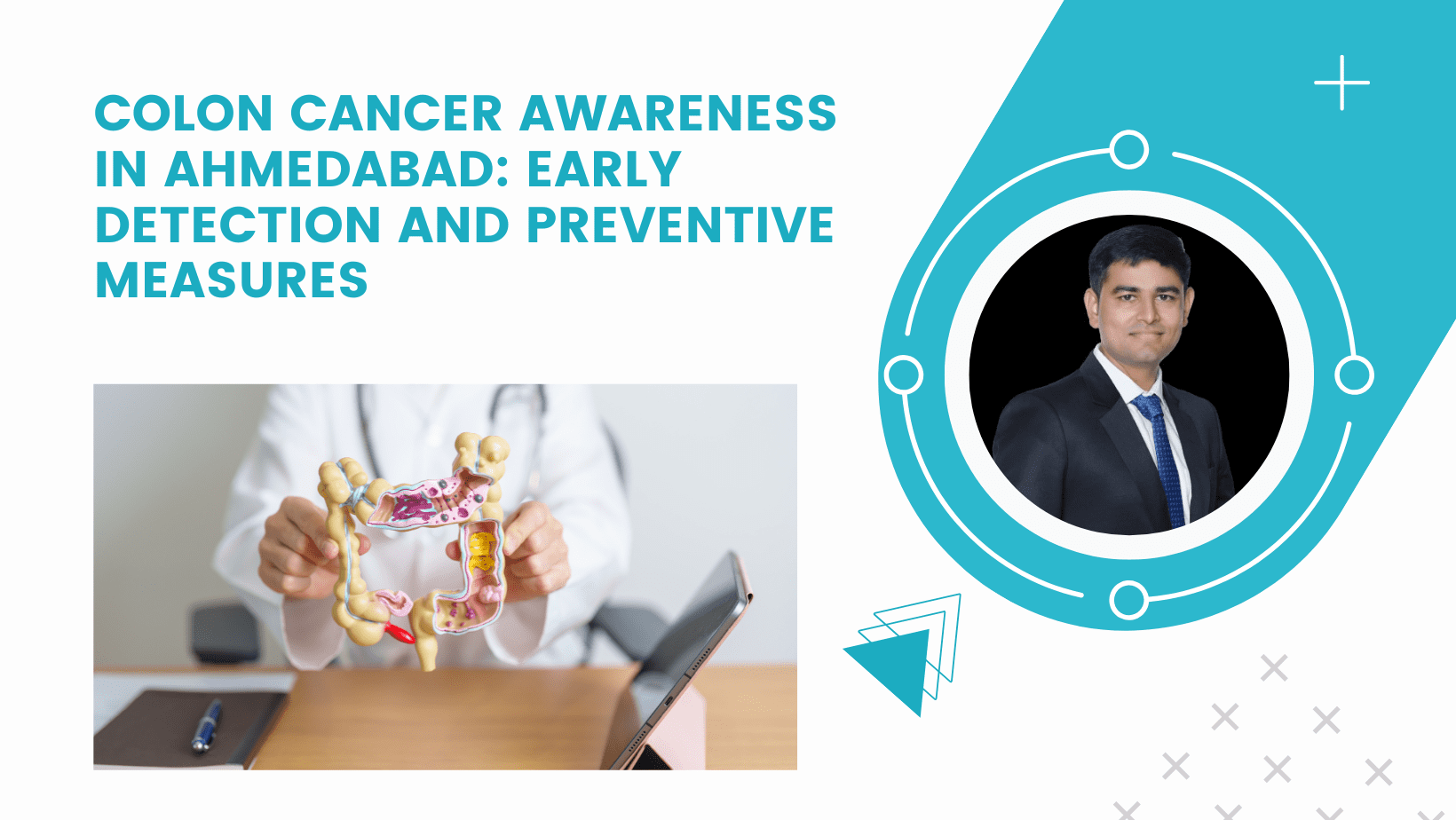
If the appendix has not burst and the infection is well-contained, a doctor might go with antibiotics to reduce the infection. In cases where the appendix has burst and infection is severe, antibiotics may be used to bring the infection under control initially, scheduling surgery for a later date.In most cases doctors typically are in favour of surgical removal of appendix because once the inflammation sets in, leaving the appendix can risk rupture. A ruptured appendix can spill bacteria into the abdominal cavity leading to peritonitis or abscess formation, which are life-threatening complications. So, even centres that usually promote conservative approaches, recommend surgery (appendectomy) for Appendicitis treatmentin Ahmedabad.IMPORTANCE OF PROMPT ACTIONAppendicitis progresses rapidly because the obstruction leads to a bacterial infection and a lack of blood flow to the appendix, causing swelling, tissue decay, and a high risk of rupture. Several factors can influence how quickly appendicitis can progress:
A complete obstruction can cause pressure to build much faster than a partial one.
Children and the elderly have a higher risk of rupture, due to less-developed or weakened immune responses.
Taking painkillers can temporarily mask the symptoms, which allows the inflammation to progress unchecked.
Multiple studies have confirmed that the risk of appendiceal rupture increases significantly with a longer duration of untreated symptoms.TYPES OF APPENDECTOMY PROCEDURESBefore surgery, your surgeon will decide which technique is most appropriate for your specific situation. There are two main methods of surgery in this case.Laparoscopic Appendectomy:For Appendicitis treatment in Ahmedabad with laparoscopy, 2 to 3 very small incisions are made in the abdominal wall and carbon dioxide gas is used to inflate the abdomen to create more space to work. A laparoscope is a thin tube with a light and camera that is inserted through one incision, with specialized surgical instruments to carefully remove the appendix. The removed appendix is placed in a retrieval bag and extracted through one of the incisions. Finally, all the incisions are closed with staples, adhesive or sutures and dressed appropriately. Laparoscopy is a less invasive process.Advantages of this surgery:
Less pain after operation
Bowel function returns normal quicker.
Shorter duration of stay at hospital.
Faster healing as the scars are smaller.
Open Appendectomy:In this surgery, a larger and a single incision is made by the surgeon where the appendix is located. It is the most traditional way of surgery and it is widely used in complex cases or cases of torn appendix to get a direct access.Advantages of this surgery:
Wider surgical field
Lower equipment costs making it more cost-effective
Suitable for patients who cannot undergo laparoscopic surgery (due to pre-existing medical conditions or obesity)
PRE-OPERATIVE STEPS:In case of diagnosis of appendicitis, surgery is scheduled as soon as possible. The preparation becomes urgent since this is considered a medical emergency. The exact timeline may vary depending on the patient's condition. However, doctors usually aim to perform Appendicitis treatment in Ahmedabad within 12 to 24 hours of diagnosis.Common preoperative preparation
Fasting: Patients are instructed to stop eating and drinking to prevent aspiration pneumonia during general anaesthesia.
IV fluids and medication: An intravenous drip is started to deliver fluids for hydration and antibiotics to treat or prevent infection.
Medical assessment: A comprehensive review of the patient's medical history, allergies, and existing conditions is conducted. An anaesthesiologist will also conduct pre-anaesthesia evaluation to specifically assess a patient's cardiac and respiratory status.
Bowel preparation (less common): While not standard for most appendicitis cases, bowel preparation may be done if a bowel perforation is suspected.
POSSIBLE COMPLICATIONSThough appendectomy is relatively safe and a common surgery, there can be certain risks in complicated or delayed cases. Some potential complications include wound infection, bleeding or injury to organs located near the appendix. If the appendix has ruptured before surgery, patient may have abscess formation or peritonitis (infection in the abdominal cavity), increasing both surgical complexity and post-operative risk.WHAT TO EXPECT AFTER THE SURGERY?
Hospital Stay:In many laparoscopic cases, patients may be required to stay only for a couple of days in the hospital. In open surgeries however, the stay is often slightly longer, depending on the patient’s condition.
Pain Management:Post surgery pain is regulated with pain relieving medications prescribed by doctors for appendicitis treatment in Ahmedabad.
Diet & Bowel Function:Initially, patients are kept on liquid diet and then gradually switched to soft, regular food. Stool softeners might be given to ease discomfort until bowel movements begin to normalise. The sooner a patient can start gentle walking, the better it supports bowel function and prevents complications like blood clots.
Recovery time:
Post surgery avoid taking any physical strain, until your surgeon gives the green light. Although full recovery typically takes about 4–6 weeks, patients can resume light routine activities within the first 2 weeks, especially after a laparoscopic procedure. Open surgery generally demands a longer healing period.TIPS FOR PATIENTS & THEIR FAMILY
Do not hesitate to ask the surgeon questions about risks, expected recovery, and post-operative instructions.
Strictly follow the instructions given by your doctor after Appendicitis treatment in Ahmedabad. Complying with directions given to you regarding preoperative fasting, discontinuing certain medicines (like blood thinners), wound care, and follow-up visits is crucial.
Be on the lookout for warning signs. Fever, increasing pain, redness, pus discharge at incision sites, or persistent vomiting should be brought to the doctor’s attention immediately.
It is completely normal for the patient to be worried. The anticipation and recovery period can be emotionally taxing. At such a time, emotional support and patience are just as important as medical care.
The appendix is a narrow, worm-shaped (vermiform) organ in the lower right side of the abdomen, attached to the cecum (the beginning of the large intestine). While it was considered a vestigial organ, modern science suggests that the appendix acts as a reservoir for beneficial gut bacteria and contains immune tissue, including lymphoid cells, which are crucial for the body's immune response.Although the human body can survive without an appendix, untreated appendicitis can lead to bursting of the appendix, causing widespread inflammation, which makes it a life-threatening emergency. CAUSESInflammation and swelling of the appendix, that is most often caused by an obstruction, is called appendicitis. This is a medical emergency that necessitates prompt Appendicitis treatment in Ahmedabad to prevent severe complications. Appendicitis can have more than one cause, these include:
Blocked opening of the appendix: This blockage could be a result offecaliths(a hardened lump of stool), or ingested foreign objects causing buildup of bacteria and infection.
Enlarged lymphoid tissue: Infection or inflammation can cause the lymphoid tissue in the appendix to swell.
Parasites: Intestinal worms or other parasites can obstruct the appendix.
Tumours: Although rare, benign or malignant tumours in or near the appendix, can cause an obstruction.
Colitis: An inflammation of the colon, can spread to the appendix (secondary appendicitis).
COMMON SYMPTOMS OF APPENDICITIS
Abdominal pain:
It is usually the most noticeable symptom. Acute appendicitis causes sudden pain around the navel that shifts to the lower right abdomen, worsening rapidly within 24 to 48 hours. Chronic appendicitis, on the other hand, involves milder ache that comes and goes over a longer period, making it harder to diagnose. However, the hallmark sign of appendicitis in either case is that the pain intensifies with movement, coughing, or sneezing. If the abdominal pain you experience is persistent or worsening, check for other symptoms of appendicitis.
Swelling and Tenderness in lower right part:
Lower right side of the abdomen may become swollen, tender, or painful when pressed. Doctors before going for Appendicitis treatment in Ahmedabad often check if the pain worsens after releasing pressure on the abdomen (rebound tenderness). If so, this indicates irritation of the abdominal lining.
Fever and Chills:
As the body fights infection, fever and chills may develop. This may intensify if the appendix ruptures, signalling spread of infection to the abdominal cavity.
Nausea and Loss of Appetite
Many people experience nausea and vomiting, which naturally reduces the desire to eat. Inflamed appendix affects digestion and causes irritation in the digestive tract, making this a very common symptom.
Changes in Bowel Habits:
Some people may have complaints of bowel problems, such as constipation, diarrhoea or an inability to pass gas.IMPORTANCE OF RECOGNISING EARLY SIGNSOne of the biggest challenges with diagnosis of appendicitis is that early symptoms are very similar to other digestive issues like gas, acidity, or stomach flu. While stomach flu and acid reflux are often temporary problems that improve with time, appendicitis is a medical emergency that worsens without treatment. Timely Appendicitis treatment in Ahmedabad can prevent complications like perforation, peritonitis, abscess, sepsis, or bowel obstruction.Early indicators
Mild Abdominal Discomfort: Unexplained cramping in the abdomen near the navel
Low-Grade Fever: Even a slight increase in body temperature that doesn’t subside
Fatigue: Feeling more lethargic than usual or just not feeling right (malaise)
Loss of Appetite: Sudden lack of interest in food
If you suspect appendicitis, do not take painkillers without consulting a doctor, as they can mask symptoms.DIAGNOSIS AND SEEKING TREATMENTIf you notice any of the signs or symptoms of appendicitis, seek medical care urgently. Diagnosis of appendicitis involves careful medical evaluation since its symptoms can resemble many other conditions. Doctors in Ahmedabad typically use a combination of the following methods:When visiting a healthcare provider, be prepared to provide a detailed description of your symptoms, including when they started, their severity, and any factors that worsen or alleviate them. A physical examination, including tests such as blood work and imaging studies like ultrasound or CT scan, may be necessary to confirm the diagnosis.
Physical Examination: The doctor presses on specific areas of the abdomen to check for tenderness or swelling.
Blood Tests: To look for signs of inflammation and infection, such as high white blood cell count.
Urine Tests(Urinalysis): To rule out conditions that have similar symptoms such as urinary tract infections or kidney stones
Imaging Tests: To confirm a diagnosis of appendicitis, and identify complications, if any. Common tests include:
1)C T scan (Computed Tomography): Considered the most accurate imaging test for diagnosing appendicitis in adults. 2)Ultrasound: An inexpensive, widely available, non-invasive option that is suitable when radiation exposure needs to be avoided, particularly in cases of children and pregnant women.Timely Appendicitis treatment in Ahmedabad ensures that complications are minimized and recovery is faster.CHALLENGES AND VARIATIONS IN VULNERABLE POPULATIONS:Appendicitis in children, pregnant women, the elderly, and immunocompromised individuals can present atypical symptoms compared to the general adult population. These deviations complicate the diagnostic process.
Children: Infants and young children often display vague symptoms which are difficult for them to communicate. This makes it hard for doctors to distinguish it from other common childhood illnesses with similar symptoms, leading to a higher risk of delayed diagnosis. Also, the progression to complications like perforation is often faster in children compared to adults.
Pregnant women: The appendicitis pain that is typically experienced in the lower right abdomen can be felt in the upper right part of the abdomen by pregnant women as the expanding uterus pushes the appendix higher. The WBC count is also naturally elevated in pregnant women. This can mask the elevated levels typically seen with appendicitis, delaying diagnosis and potentially resulting in severe complications for both mother and foetus.
Elderly patients:They often have chronic conditions like heart and kidney diseases and take medications that can mask or mimic the symptoms of appendicitis. Other common symptoms of appendicitis like loss of appetite, nausea, or malaise can be easily attributed to age-related issues in cases of elderly people, resulting in misdiagnosis.
Immunocompromised patients: Patients with weakened immune systems (e.g., due to HIV/AIDS, cancer, or organ transplants) may not exhibit classic inflammatory signs like fever or elevated white blood cell count. Delayed diagnosis in these patients leads to a higher rate of complications, including severe sepsis.
To conclude, the significance of early detection in appendicitis cannot be overstated. Symptoms such as abdominal pain, nausea, and fever should not be ignored, as they may be indicators of appendicitis. While the condition can develop rapidly, early detection can significantly reduce the likelihood of complications.


 RELIEF MEASURES FOR DIFFERENT TYPES OF HERNIA:
It is crucial to consult a doctor for a proper diagnosis and treatment plan, as an untreated hernia can lead to serious complications, such as strangulation.
RELIEF MEASURES FOR DIFFERENT TYPES OF HERNIA:
It is crucial to consult a doctor for a proper diagnosis and treatment plan, as an untreated hernia can lead to serious complications, such as strangulation.
 RELIEF MEASURES FOR DIFFERENT TYPES OF HERNIA:
It is crucial to consult a doctor for a proper diagnosis and treatment plan, as an untreated hernia can lead to serious complications, such as strangulation.
RELIEF MEASURES FOR DIFFERENT TYPES OF HERNIA:
It is crucial to consult a doctor for a proper diagnosis and treatment plan, as an untreated hernia can lead to serious complications, such as strangulation.
 PREVENTIVE MEASURES
Preventing hernia requires adopting lifestyle habits that reduce abdominal pressure and enhance muscle strength. Maintaining a healthy body weight is crucial, as excess weight strain on the abdominal wall can increase the risk of hernia formation. Regular physical activity, like planks and pelvic tilts strengthen the core, providing better support to internal organs. Use proper form when lifting objects by bending your knees and keeping your back straight to avoid straining. Maintain regular bowel movements by eating a diet that is high in fibre and stay hydrated.
While these approaches do not cure hernias, they can play a pivotal role in symptom management and overall well-being. By adopting these preventive measures, individuals can significantly reduce their risk of developing a hernia and promote overall abdominal health.
WHEN TO SEEK EMERGENCY CARE?
While the measures mentioned above can provide relief in cases where doctors recommend waiting or monitoring the hernia, certain symptoms require prompt medical attention. Surgery is the definitive treatment for most hernias and is required if the hernia is painful, getting larger, or becomes incarcerated (trapped) or strangulated (blood supply cut off).
Seek Hernia treatment in Ahmedabad immediately in case of:
PREVENTIVE MEASURES
Preventing hernia requires adopting lifestyle habits that reduce abdominal pressure and enhance muscle strength. Maintaining a healthy body weight is crucial, as excess weight strain on the abdominal wall can increase the risk of hernia formation. Regular physical activity, like planks and pelvic tilts strengthen the core, providing better support to internal organs. Use proper form when lifting objects by bending your knees and keeping your back straight to avoid straining. Maintain regular bowel movements by eating a diet that is high in fibre and stay hydrated.
While these approaches do not cure hernias, they can play a pivotal role in symptom management and overall well-being. By adopting these preventive measures, individuals can significantly reduce their risk of developing a hernia and promote overall abdominal health.
WHEN TO SEEK EMERGENCY CARE?
While the measures mentioned above can provide relief in cases where doctors recommend waiting or monitoring the hernia, certain symptoms require prompt medical attention. Surgery is the definitive treatment for most hernias and is required if the hernia is painful, getting larger, or becomes incarcerated (trapped) or strangulated (blood supply cut off).
Seek Hernia treatment in Ahmedabad immediately in case of:


 IMPORTANCE OF PROMPT ACTION
 WHAT TO EXPECT AFTER THE SURGERY?