hernia treatment in ahmedabad

Hernia Treatment in Ahmedabad: Surgical & Non-Surgical Solutions Explained

A hernia occurs when an organ or tissue pushes through a weak spot in the muscle or connective tissue that holds it in place. This condition is often visible as a bulge or lump and can cause significant discomfort. If you're looking for Hernia Treatment in Ahmedabad, it's important to understand the different types of hernias, symptoms, and the most effective treatment options available. This guide explains both surgical and non-surgical solutions to help you make an informed decision.

What is a Hernia?

A hernia occurs when an organ or fat pushes through a weak or damaged area in the surrounding muscle or connective tissue. Hernias can appear in various parts of the body, most commonly in the abdomen, groin, and upper thigh. While some hernias are not painful, they can become uncomfortable and lead to serious complications if left untreated.
Types of Hernias

  1. Inguinal Hernia: The most common type, occurring in the groin area.

  2. Umbilical Hernia: A bulge near the belly button, often seen in infants but can also occur in adults.

  3. Hiatal Hernia: When part of the stomach pushes through the diaphragm into the chest cavity.

  4. Incisional Hernia: Develops at the site of a previous surgical incision.

  5. Femoral Hernia: A less common type that occurs in the upper thigh near the groin.

Symptoms of a Hernia

While some hernias may not cause immediate symptoms, most individuals will experience some of the following signs:

  • Visible bulge in the affected area, often more prominent when coughing or standing.

  • Pain or discomfort at the site, especially when lifting, bending, or after physical activity.

  • Feeling of heaviness or pressure in the abdomen.

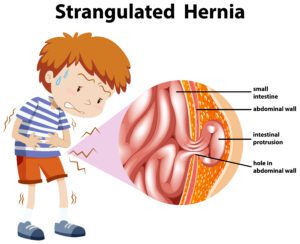
  • Nausea, vomiting, or constipation (in severe cases, especially if the hernia is strangulated).

If you notice any of these symptoms, it's important to consult a healthcare provider promptly. Untreated hernias can lead to complications, including bowel obstruction or strangulation, which require emergency treatment.

Non-Surgical Hernia Treatment Options

In some cases, hernias may not require immediate surgery, especially if the hernia is small and not causing any significant symptoms. Here are the non-surgical hernia treatment options:

1. Watchful Waiting

If your hernia is small and not causing any discomfort, your doctor may recommend a wait-and-see approach, especially if you are not experiencing any significant symptoms. Regular check-ups will help monitor the size of the hernia and ensure that it doesn't become more problematic.

2. Hernia Belts and Trusses

Hernia belts or trusses are supportive garments designed to hold the hernia in place and reduce the bulging. These are often recommended for individuals who are not candidates for surgery or those with a very mild hernia. While these devices may reduce discomfort, they do not treat the hernia and are typically used as a temporary solution.

3. Lifestyle Modifications

Certain lifestyle changes can help manage hernia symptoms and prevent them from getting worse. These include:

  • Avoiding heavy lifting: Straining can make the hernia worse.

  • Maintaining a healthy weight: Excess weight can put added pressure on the abdomen, worsening the hernia.

  • Eating a high-fiber diet: This helps avoid constipation and straining during bowel movements, which can aggravate hernias.

  • Gentle exercises: Low-impact exercises can help strengthen muscles around the hernia site without causing additional strain.

While these methods can help manage symptoms, they don’t cure the hernia, and surgery may still be necessary in the future.

Surgical Solutions for Hernia Treatment

When a hernia causes significant pain, grows in size, or leads to complications, surgery is typically the most effective solution. Here are the most common surgical treatments for hernias:

1. Laparoscopic Surgery (Minimally Invasive)

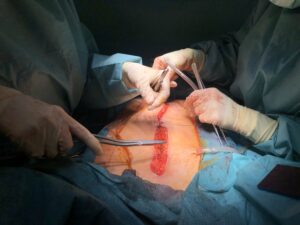
Laparoscopic surgery is a modern, minimally invasive method for hernia repair. A small incision is made in the abdomen, and a tiny camera is inserted to view the hernia site. The surgeon then uses small instruments to repair the hernia with mesh material.

Benefits of laparoscopic surgery:

  • Smaller incisions result in less pain and quicker recovery.

  • Shorter hospital stay and faster return to normal activities.

  • Less scarring compared to traditional open surgery.

Laparoscopic surgery is ideal for most types of hernias and has become the standard of care due to its numerous advantages over traditional methods.

2. Open Surgery

In open surgery, a larger incision is made in the affected area, and the hernia is pushed back into place. The surgeon then closes the defect in the muscle wall and reinforces it with mesh to prevent recurrence. This technique is commonly used for larger hernias or in cases where laparoscopic surgery may not be suitable.

Advantages of open surgery:

  • Suitable for larger or more complicated hernias.

  • Proven track record with successful outcomes.

However, it involves a longer recovery time and a higher risk of complications such as infection or bleeding compared to laparoscopic surgery.

3. Robotic Surgery

In some advanced medical centres, robotic-assisted surgery is used for hernia repair. This procedure combines the precision of robotic arms with the expertise of a surgeon, allowing for more precise movements and smaller incisions.

Benefits of robotic surgery:

  • Enhanced precision and control, leading to less trauma to the surrounding tissues.

  • Shorter recovery time and less pain post-surgery.

  • Smaller incisions, reducing the risk of infection and scarring.

While robotic surgery is a promising option, it is typically more expensive than traditional laparoscopic surgery and may not be available at all healthcare facilities.

Recovery After Hernia Surgery

After hernia surgery, recovery time can vary based on the type of procedure performed, your general health, and the size of the hernia. Here are some general recovery guidelines:

  • Post-operative care: You will be monitored for a short time after surgery to ensure no complications.

  • Pain management: Pain is usually mild to moderate after laparoscopic surgery and can be controlled with over-the-counter pain medications.

  • Return to work: Most people can return to light work after 1–2 weeks, but it may take 4–6 weeks to return to full activity, especially if the surgery was more extensive.

  • Avoid heavy lifting: Refrain from lifting heavy objects or engaging in strenuous activities for about 6 weeks to avoid straining the repair site.

Follow-up appointments will be scheduled to ensure proper healing and check for any signs of recurrence.
 

Why Choose Ahmedabad for Hernia Treatment?

Ahmedabad is a healthcare hub with some of the most experienced surgeons and modern medical facilities offering Hernia Treatment in Ahmedabad. Here’s why you should consider Ahmedabad for your hernia treatment:

  • Expert surgeons: Ahmedabad boasts highly skilled surgeons specializing in both laparoscopic and open hernia surgeries.

  • State-of-the-art hospitals: The city is home to advanced medical centres with cutting-edge diagnostic and surgical technology.

  • Comprehensive care: From diagnosis to post-surgery rehabilitation, you’ll receive complete care under one roof.

By choosing a trusted clinic in Ahmedabad, you can ensure you’re receiving world-class care.

When to Seek Emergency Care

If you experience any of the following symptoms, seek emergency medical attention immediately:

  • Sudden severe pain in the abdomen, often indicating strangulation.

  • Nausea, vomiting, or fever, which can signal a bowel obstruction.

  • Inability to pass gas or have a bowel movement, which may indicate a serious complication.

These symptoms require urgent surgical intervention to avoid life-threatening complications.

The Bottom Line

Whether you're dealing with a small bulge or significant pain, Hernia Treatment in Ahmedabad offers a range of surgical and non-surgical options. Minimally invasive procedures like laparoscopic surgery provide excellent results with faster recovery, while open surgery may be required for larger or more complex hernias.

For expert diagnosis and treatment, consult a leading gastroenterologist or surgeon today through drgastro.in to explore the best options for your hernia treatment.
Read more...
Fissure Treatment in Ahmedabad

Fissure Treatment in Ahmedabad: Best Medical & Home-Care Options

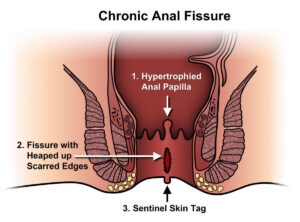
An anal fissure is a tear or crack in the skin around the anus, causing significant discomfort, especially during or after bowel movements. If you're searching for Fissure Treatment in Ahmedabad, this comprehensive guide will walk you through the causes, symptoms, and the best treatment options available. Whether you're looking for medical treatments or effective home-care methods, we’ve got you covered.

What is an Anal Fissure?

An anal fissure is a small tear or crack in the skin of the anus. It often occurs when hard or large stools stretch the skin during bowel movements. Fissures can be very painful, especially when they result in bleeding and swelling.

Common Causes

  • Constipation: Straining to pass hard stools is the leading cause of anal fissures.

  • Diarrhea: Chronic diarrhea or frequent bowel movements can irritate and tear the anal lining.

  • Childbirth: Women may develop fissures after vaginal delivery due to the stretching of the anal area.

  • Anal intercourse: May contribute to trauma to the anal skin, leading to fissures.

  • Other conditions: Inflammatory bowel disease (IBD), such as Crohn’s disease, can also lead to fissures.

Key Symptoms

  • Sharp pain during or after bowel movements

  • Blood on the toilet paper or in the toilet bowl (typically bright red)

  • Itching or irritation around the anus

  • Visible tear or crack around the anal area

  • Swelling or a lump near the fissure, sometimes with a skin tag

If left untreated, fissures can become chronic and may require more intensive treatment. Early detection and care can help prevent complications.

When to Seek Medical Help

If you experience persistent pain, bleeding, or discomfort lasting more than a few days, it’s time to seek expert Fissure Treatment in Ahmedabad. Left untreated, an anal fissure can become chronic and harder to heal.

Diagnosis

To diagnose an anal fissure, your doctor will conduct a physical examination of the anal area. In some cases, a proctoscope (a small tube with a light) may be used to inspect the anal canal more closely. If needed, further tests will be conducted to rule out other conditions like hemorrhoids or inflammatory bowel disease (IBD).

Best Medical Treatment Options

While many fissures heal on their own with proper care, severe or chronic cases may require medical intervention. Below are the most common medical treatments for fissures:

1. Medications

  • Topical Nitroglycerin Cream: This is used to increase blood flow to the area, which helps relax the anal sphincter muscle and promote healing.

  • Calcium Channel Blockers: Medications like diltiazem or nifedipine are used to reduce muscle spasms and improve blood flow to the affected area.

  • Pain Relief: Over-the-counter pain medications, such as ibuprofen, can help manage pain and inflammation.

  • Stool Softeners: These help ensure that stools remain soft, which reduces the strain during bowel movements and promotes healing.

2. Botox Injections

  • Botulinum toxin (Botox) injections are sometimes used to relax the anal sphincter muscle and allow the fissure to heal. This treatment is often recommended for chronic fissures that do not respond to other methods.

3. Surgery

In cases of chronic fissures that do not heal with conservative treatments, a lateral internal sphincterotomy may be recommended. This procedure involves cutting a small portion of the anal sphincter muscle to reduce spasm and allow the fissure to heal. It is generally safe and highly effective but is usually reserved for severe or persistent cases.

Effective Home-Care Tips for Fissure Treatment

Along with medical treatments, incorporating home-care strategies can greatly aid in healing and reducing discomfort. Here are some of the best home-care options for fissure treatment in Ahmedabad:

1. Warm Sitz Baths

A sitz bath involves sitting in warm water for 10–15 minutes several times a day, especially after bowel movements. The warm water soothes the area, reduces swelling, and promotes blood flow to help the fissure heal faster. Adding Epsom salts to the bath may further help with healing.

2. High-Fiber Diet

One of the primary causes of anal fissures is constipation, so a diet rich in fiber can prevent further straining. Foods such as:

  • Whole grains

  • Fruits and vegetables

  • Legumes and beans

Fiber softens stools and promotes regular bowel movements, reducing the pressure on the anal area. Drinking plenty of water is also essential to prevent dehydration and maintain bowel regularity.

3. Stool Softeners

Using over-the-counter stool softeners can help keep stools soft, reducing strain during bowel movements. This can be an important part of both preventing and treating fissures.

4. Topical Treatments

You can apply petroleum jelly or lanolin cream to the fissure to keep the area moisturized, which can reduce pain and promote healing. Avoid using harsh soaps or scented products that may irritate the sensitive skin around the anus.

5. Avoiding Straining

Don’t strain during bowel movements. Take your time, and if you feel the urge to go, respond to it promptly. Waiting too long to have a bowel movement can lead to harder stools, which increases the risk of developing fissures.

Preventing Recurrence of Anal Fissures

Once healed, it’s important to continue with habits that prevent future fissures:

  • Maintain a high-fiber diet to ensure stools remain soft and easy to pass.

  • Stay hydrated by drinking plenty of water to keep stools soft.

  • Exercise regularly to promote regular bowel movements.

  • Don’t delay bowel movements—respond to the urge as soon as possible to avoid constipation and strain.

  • Use gentle wipes instead of toilet paper, as wiping can irritate the sensitive area.

Fissure Treatment in Ahmedabad

Why Choose Ahmedabad for Fissure Treatment?

Ahmedabad has become a leading city for advanced gastroenterology care. Here's why:

  • Expert care: Skilled gastroenterologists and colorectal surgeons specialise in non-surgical and surgical treatments for fissures.

  • State-of-the-art facilities: Top hospitals are equipped with modern technologies for accurate diagnosis and effective treatment.

  • Comprehensive services: From medical treatments to home-care guidance, Ahmedabad offers holistic care for long-term relief.

Choosing a clinic in Ahmedabad ensures you receive personalised care in a city known for its healthcare excellence.

When to Seek Immediate Medical Help

If you experience any of the following symptoms, it’s important to seek medical help immediately:

  • Severe pain that doesn’t subside with home treatments

  • Excessive bleeding during or after bowel movements

  • Persistent swelling or a lump near the anus

  • Fever or signs of infection (e.g., chills or redness)

These could indicate complications such as an infection or abscess that requires urgent care.

The Bottom Line

Anal fissures are common but treatable. Whether you’re looking for conservative home-care options or more advanced medical treatments, Fissure Treatment in Ahmedabad offers a range of effective solutions. By combining professional care with lifestyle changes, most patients can expect a full recovery and lasting relief.

If you’re dealing with the discomfort of an anal fissure, don’t wait. Schedule a consultation today with a leading gastroenterologist through drgastro.in to get expert care and start your healing journey.

Read more...

Fistula Treatment in Ahmedabad: Proven Procedures for Fast Healing

An anal fistula is a painful and often persistent medical condition that rarely heals without proper care. If you are searching for Fistula Treatment in Ahmedabad, this comprehensive guide will help you understand the condition, explore the latest proven treatment options, and learn what to expect during recovery.

Understanding Anal Fistula

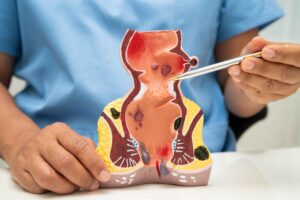
An anal fistula is an abnormal tunnel that develops between the inside of the anal canal and the skin near the anus. It usually occurs after an infection in an anal gland that forms an abscess and does not heal completely.

Fistula Treatment in Ahmedabad

Common Causes

  • Chronic infection or abscess in the anal glands

  • Crohn’s disease or other inflammatory bowel conditions

  • Previous surgery or trauma in the anal region

  • Tuberculosis or other chronic infections (less common)

Key Symptoms

  • Recurrent pain or swelling around the anus

  • Persistent discharge of pus or blood

  • Irritation or itching in the anal area

  • Fever or general discomfort when the abscess is active

These symptoms often worsen over time if left untreated. Early diagnosis and professional Fistula Treatment in Ahmedabad can prevent serious complications.

Why Timely Treatment Is Crucial

Without treatment, an anal fistula can cause chronic infection, repeated abscess formation, and in rare cases, more severe health issues. Home remedies may provide temporary relief but cannot close the internal opening of the fistula. Medical intervention is the only way to achieve lasting healing.

How Specialists Diagnose a Fistula

Doctors specialising in Fistula Treatment in Ahmedabad typically use:

  1. Physical Examination – Identifying external openings or discharge.

  2. Proctoscopy – A small instrument is used to view the anal canal and locate the internal opening.

  3. MRI or Endoanal Ultrasound – Advanced imaging to map complex fistula tracts and plan surgery.

Accurate imaging ensures the chosen treatment addresses all infected pathways and reduces the risk of recurrence.

Proven Procedures for Fast Healing

Over the years, surgical techniques have evolved to improve healing rates, minimise discomfort, and preserve anal sphincter function. Below are the most trusted approaches:

1. Fistulotomy

The most common and effective procedure for simple fistulas.

  • The surgeon opens the fistula tract, allowing it to heal from the inside out.

  • Success rates are high and recurrence is low.

  • Recovery typically takes 2–4 weeks with proper care.

2. Seton Placement

For complex or high fistulas involving significant sphincter muscle:

  • A soft surgical thread (seton) is placed in the tract to drain infection and gradually cut through the tissue.

  • Reduces the risk of incontinence while promoting healing.

3. LIFT (Ligation of Intersphincteric Fistula Tract)

  • A modern, sphincter-preserving technique where the fistula tract is tied and removed.

  • Excellent for complex fistulas with minimal risk to continence.

  • Healing is generally faster and less painful.

4. Laser Fistula Treatment (FiLaC)

  • Uses a radial fibre laser to close the fistula tract from within.

  • Minimally invasive with minimal post-operative pain and scarring.

  • Many patients return to daily activities within a few days.

5. Advancement Flap Surgery

  • Recommended when the fistula passes through a large portion of the sphincter muscle.

  • A flap of healthy tissue is used to cover the internal opening after cleaning the tract.

Your specialist will recommend the best option after reviewing the type, location and complexity of your fistula.

Recovery and Aftercare Tips

Following your procedure for Fistula Treatment in Ahmedabad, these measures help ensure smooth healing:

  • Maintain hygiene: Use warm sitz baths 2–3 times daily to keep the area clean and reduce discomfort.

  • Eat a high-fibre diet: Whole grains, vegetables and plenty of water help prevent constipation and straining.

  • Take prescribed medications: Complete the full course of antibiotics or pain relievers as directed.

  • Avoid heavy lifting: Give your body time to heal and prevent pressure on the surgical site.

  • Attend follow-up appointments: Your surgeon will monitor healing and detect any early signs of recurrence.

Most patients resume light work within a week, though full recovery time depends on the type of procedure performed.

Fistula Treatment in Ahmedabad

Why Choose Ahmedabad for Fistula Treatment

Ahmedabad has emerged as a centre of excellence for advanced gastroenterology and colorectal care. Patients benefit from:

  • Experienced specialists: Surgeons skilled in modern sphincter-saving techniques.

  • Cutting-edge facilities: Hospitals equipped for MRI fistulography and minimally invasive procedures.

  • Comprehensive care: From diagnosis to post-operative follow-up, ensuring complete and lasting recovery.

Selecting a reputable clinic for Fistula Treatment in Ahmedabad ensures you receive world-class care close to home.

Preventing Recurrence and Promoting Digestive Health

While surgery treats the existing fistula, adopting healthy habits lowers the risk of future issues:

  • Maintain regular bowel habits and avoid straining.

  • Eat a balanced, high-fibre diet and drink plenty of fluids.

  • Manage chronic conditions such as Crohn’s disease under a doctor’s supervision.

  • Seek immediate care for any recurrent pain, discharge or swelling.

These steps support overall colon health and help protect against further complications.

When to Seek Urgent Medical Care

Contact your doctor or visit an emergency facility if you experience:

  • Severe anal pain that worsens suddenly

  • High fever or chills

  • Profuse bleeding or foul-smelling discharge

  • Difficulty controlling bowel movements

Prompt attention prevents serious infection and supports better surgical outcomes.

The Bottom Line

An anal fistula rarely heals on its own, but modern surgical techniques deliver excellent results with minimal discomfort. Whether your case is simple or complex, expert Fistula Treatment in Ahmedabad can help you achieve fast healing and regain a normal lifestyle.

If you’re experiencing symptoms of an anal fistula, schedule a consultation with an experienced gastroenterologist today at drgastro.in and take the first step toward lasting relief.

Read more...
Piles Treatment in Ahmedabad

Piles Treatment in Ahmedabad: Modern Laser Techniques You Should Know

Piles—also known as haemorrhoids—are swollen blood vessels in the rectum or anus that can cause pain, bleeding and discomfort. If you’re looking for Piles Treatment in Ahmedabad, you’ll be pleased to know that modern laser technology has transformed the way doctors manage this common condition. This detailed guide explains what piles are, how laser treatment works, and why Ahmedabad is an excellent city to receive care.

Understanding Piles (Haemorrhoids)

Piles develop when the veins in the lower rectum or anus become swollen and inflamed. They may be internal (inside the rectum) or external (under the skin around the anus).

Piles Treatment in Ahmedabad

Common Symptoms

  • Bright red bleeding during or after a bowel movement

  • Itching or irritation in the anal region

  • Pain or discomfort while sitting

  • Swelling or a palpable lump near the anus

  • Mucus discharge or soiling of undergarments

Symptoms often worsen with chronic constipation, heavy lifting, pregnancy or a sedentary lifestyle.

When to Seek Medical Attention

Many people delay treatment out of embarrassment, but early medical care is important to prevent complications such as thrombosed piles (clots) or chronic bleeding that can lead to anaemia. If you experience persistent pain, bleeding, or recurring piles, it’s time to consult a specialist for Piles Treatment in Ahmedabad.

Diagnosis

A gastroenterologist or colorectal surgeon will perform a physical examination and, if necessary, use procedures like proctoscopy or colonoscopy to confirm the grade of piles and rule out other conditions such as fissures or polyps. Accurate diagnosis ensures the right treatment plan.

Conventional vs. Modern Treatment Options

Traditional treatments include lifestyle changes, over-the-counter creams, and in some cases open surgery (hemorrhoidectomy). While effective, conventional surgery often requires longer recovery and can be painful.

Why Laser Treatment Is a Game Changer

Laser therapy offers a minimally invasive alternative for Piles Treatment in Ahmedabad, providing excellent results with far less discomfort. In this technique, a focused laser beam precisely shrinks and seals the affected blood vessels, reducing the piles without large incisions.

Key Advantages of Laser Piles Treatment

  1. Minimally Invasive: No large cuts or stitches, which means significantly less pain.

  2. Minimal Blood Loss: The laser seals blood vessels immediately, reducing bleeding.

  3. Quick Procedure: Typically completed in 20–30 minutes under local or regional anaesthesia.

  4. Faster Recovery: Most patients return to normal activities within 2–3 days.

  5. Lower Risk of Infection: The precise laser beam leaves surrounding tissue largely unaffected.

  6. Less Post-operative Discomfort: Minimal swelling and pain compared to traditional surgery.

Because of these benefits, many top gastroenterologists and colorectal surgeons recommend laser therapy as the first choice for suitable patients.

How the Laser Procedure Works

  1. Pre-operative Preparation:

    • Bowel preparation and routine blood tests

    • Fasting for a few hours before the procedure

  2. Anaesthesia:
    Local, spinal or short general anaesthesia is administered for patient comfort.

  3. Laser Application:
    A specialised laser fibre is introduced into the haemorrhoidal tissue. The heat from the laser shrinks the piles and seals off blood vessels.

  4. Recovery & Discharge:
    Patients are usually discharged the same day or within 24 hours.

Post-Treatment Care & Recovery Tips

Although laser treatment is minimally invasive, proper aftercare ensures quick healing:

  • Maintain a high-fibre diet to keep stools soft and avoid strain.

  • Stay hydrated by drinking 8–10 glasses of water daily.

  • Avoid heavy lifting or straining for at least a week.

  • Take short walks to improve circulation and reduce constipation risk.

  • Follow-up visits as advised by your doctor to monitor healing.

Most patients resume normal work in two to three days, with complete healing within a couple of weeks.

Cost of Laser Piles Treatment in Ahmedabad

Costs vary based on the grade of piles, hospital facilities and the specialist’s experience. While laser procedures are generally more expensive than conventional surgery, the faster recovery and lower risk of complications often make them more cost-effective overall.

Why Choose Ahmedabad for Piles Laser Treatment

Ahmedabad has emerged as a trusted hub for advanced gastroenterology care. Here’s why:

  • Experienced Specialists: Surgeons with extensive expertise in minimally invasive procedures.

  • Modern Facilities: Hospitals equipped with state-of-the-art laser equipment and dedicated proctology units.

  • Comprehensive Care: From diagnosis to post-operative support, patients receive holistic treatment.

By selecting a clinic that specialises in Piles Treatment in Ahmedabad, you ensure you’re receiving world-class care close to home.

Piles Treatment in Ahmedabad

Lifestyle Tips to Prevent Recurrence

Laser therapy can remove existing piles, but prevention is equally important:

  • Eat a diet rich in fruits, vegetables and whole grains.

  • Exercise regularly to maintain healthy bowel movements.

  • Avoid long periods of sitting on the toilet.

  • Don’t delay the urge to pass stools.

  • Maintain a healthy body weight to reduce pressure on rectal veins.

These simple habits reduce the risk of future haemorrhoids and support long-term digestive health.

When to Seek Immediate Help

Call your doctor or visit an emergency facility if you experience:

  • Heavy or persistent rectal bleeding

  • Severe pain or swelling

  • High fever or signs of infection

  • Sudden difficulty passing stools or urine

Prompt medical attention can prevent serious complications.

Takeaway

Modern laser technology has revolutionised Piles Treatment in Ahmedabad, offering a fast, effective and less painful solution. Whether you’re dealing with chronic haemorrhoids or new symptoms, consulting a qualified gastroenterologist or colorectal surgeon can help you choose the best treatment option.

For expert guidance and to schedule a consultation, visit drgastro.in and take the first step towards a pain-free, healthier life.

Read more...

Gall Bladder Stone Treatment in Ahmedabad: Latest Options & Recovery Tips

Gall bladder stones—commonly known as gallstones—are a widespread digestive issue that can cause sudden pain and serious complications. If you are searching for Gall Bladder Stone Treatment in Ahmedabad, understanding the causes, modern treatment options and the recovery process is the first step toward permanent relief. This comprehensive guide explains everything you need to know, from early symptoms to advanced medical care.

What Are Gall Bladder Stones?

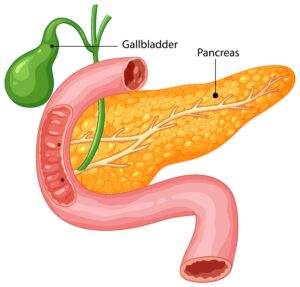
The gall bladder is a small, pear-shaped organ located beneath the liver. Its main function is to store and release bile, a fluid that helps digest fats. When bile contains too much cholesterol, bilirubin or certain salts, it can crystallise and form hard deposits called gallstones. These stones can be as tiny as a grain of sand or as large as a golf ball.

Gall Bladder Stone Treatment in Ahmedabad

Key Symptoms to Watch For

  • Sudden, sharp pain in the upper right abdomen or centre of the stomach (known as biliary colic)

  • Nausea or vomiting, especially after heavy meals

  • Indigestion, bloating and discomfort when consuming fatty foods

  • Fever, chills or jaundice if infection or bile duct blockage occurs

Not everyone with gallstones experiences symptoms, but when pain or digestive trouble begins, professional evaluation is critical.

Diagnosis: How Doctors Confirm the Condition

Specialists offering Gall Bladder Stone Treatment in Ahmedabad use a combination of tests to confirm the presence of stones and determine the right approach:

  1. Abdominal Ultrasound – The most common, painless imaging test to detect gallstones and inflammation.

  2. CT Scan or MRI – Used when complications or more detailed images are needed.

  3. Blood Tests – To check for infection, liver enzyme abnormalities and pancreatic involvement.

Prompt diagnosis ensures you receive treatment before complications such as infection, pancreatitis or bile duct obstruction develop.

Latest Treatment Options

Modern medicine provides both surgical and non-surgical methods for Gall Bladder Stone Treatment in Ahmedabad. The right choice depends on the size of the stones, the severity of symptoms and overall health.

1. Laparoscopic Cholecystectomy

This minimally invasive surgery is the gold standard for most patients. Through 3–4 tiny incisions, the surgeon removes the gall bladder entirely, preventing future stone formation.

Benefits include:

  • Very small scars and minimal post-operative pain

  • Short hospital stay, often just 24–48 hours

  • Quick return to routine activities—usually within a week

Because the gall bladder’s function is not essential for normal digestion, removing it has little long-term impact.

2. Endoscopic or ERCP Procedures

If a gallstone has migrated into the bile duct, doctors may perform an endoscopic procedure called ERCP (Endoscopic Retrograde Cholangiopancreatography) to remove the stone without a large incision.

3. Non-Surgical Management

For patients who cannot undergo surgery or who have small cholesterol stones, medications such as ursodeoxycholic acid can slowly dissolve stones. However, this method is less common because it may take months and stones can recur.

4. Lifestyle and Dietary Adjustments

While not a cure once stones have formed, dietary changes—such as reducing saturated fat, maintaining a healthy weight and increasing fibre intake—can prevent further gallstone development and support recovery after treatment.

Preparing for Gall Bladder Stone Surgery

If your gastroenterologist recommends laparoscopic cholecystectomy, preparation is straightforward:

  • Medical evaluation: Blood tests, imaging and anaesthetic assessment

  • Medication review: Your doctor will advise if you need to stop blood thinners or adjust any regular medicines

  • Pre-operative fasting: Typically no food or drink for at least six hours before surgery

Clear communication with your surgeon ensures a smooth experience and reduces anxiety.

Recovery Tips After Treatment

Patients undergoing Gall Bladder Stone Treatment in Ahmedabad can expect a fast and comfortable recovery if they follow medical advice:

  1. Follow a low-fat diet initially: Start with light, easily digestible meals for the first week.

  2. Stay hydrated: Adequate fluid intake helps your body heal and maintain good digestion.

  3. Gentle movement: Light walking improves circulation and prevents post-operative complications.

  4. Wound care: Keep the incision area clean and dry, and follow your doctor’s instructions for dressing changes.

  5. Regular follow-ups: Attend all scheduled appointments to monitor healing and address any concerns promptly.

Most people return to work or normal activities within 7–10 days after laparoscopic surgery. Heavy lifting should be avoided for at least four weeks.

Why Choose Ahmedabad for Gall Bladder Stone Treatment

Ahmedabad is home to advanced gastroenterology centres and highly skilled surgeons who specialise in minimally invasive procedures. Choosing a local specialist means:

  • Cutting-edge facilities: Hospitals equipped with state-of-the-art laparoscopic and endoscopic technology.

  • Experienced surgeons: Doctors with extensive expertise in treating complex gall bladder conditions.

  • Comprehensive aftercare: From diagnosis to follow-up, patients receive personalised support for a smooth recovery.

Preventing Future Gallstone Problems

Even after gall bladder removal, maintaining healthy habits can support overall digestive health:

  • Maintain a balanced diet rich in fruits, vegetables and lean proteins.

  • Exercise regularly to keep body weight stable.

  • Stay hydrated and avoid crash diets or sudden weight loss, which can increase bile cholesterol levels.

These simple lifestyle steps promote long-term digestive wellness and reduce the risk of other gastrointestinal issues.

Gall Bladder Stone Treatment in Ahmedabad

When to Seek Immediate Medical Help

Seek urgent care if you experience:

  • Intense abdominal pain that lasts more than a few hours

  • High fever or chills

  • Yellowing of the skin or eyes (jaundice)

  • Persistent vomiting

These may signal complications such as infection or pancreatitis and require emergency treatment.

The Bottom Line

Gall bladder stones can be painful and disruptive, but timely diagnosis and modern medical care provide lasting relief. With advanced laparoscopic surgery and expert gastroenterologists available locally, Gall Bladder Stone Treatment in Ahmedabad is both safe and highly effective.

If you’re experiencing symptoms or have been diagnosed with gallstones, don’t delay. Schedule a consultation today through drgastro.in to discuss the best treatment option and start your journey toward a healthier, pain-free life.

Read more...